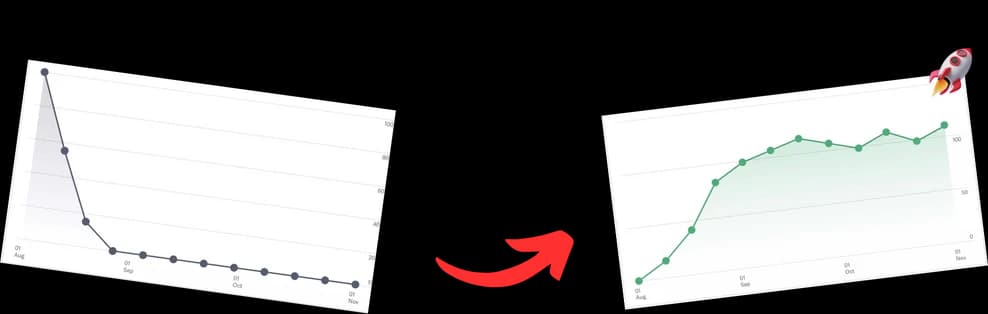
You publish a video you expected to do well. The topic fits your niche. The thumbnail is solid. Your last few uploads performed normally. Then this one lands with almost no momentum, and the next one does the same.
That’s when most creators start searching for youtube shadow ban explanations.
The problem is that the phrase sends people into the wrong debate. They start asking whether a secret ban exists, whether YouTube is targeting them personally, or whether they need to delete half their channel and start over. That framing usually wastes time.
A better way to look at it is algorithmic suppression, or YouTube’s own idea of reduction in distribution. Your videos still exist. They’re still watchable. But the recommendation system stops giving them normal chances to get seen. Once you understand that distinction, the problem becomes far more manageable.
That Sinking Feeling When Your Views Disappear
One of the most common patterns I see is this. A creator opens YouTube Studio a few hours after publishing and expects the usual early movement. Instead, the dashboard barely changes. The video isn’t dead, but it’s not being tested in the normal way either.
That panic is real because the symptoms feel personal. You didn’t get a strike. You didn’t get a warning. The video is public. Yet distribution falls apart.

In practice, creators often miss the first clue because they look only at views. Views are the lagging symptom. The earlier signal is usually a sudden break in impressions, browse exposure, or subscriber reach. That’s why I like pairing YouTube Studio with simple trend monitoring. If you already use automated anomaly detection, the mindset is the same. Don’t guess from emotion. Look for abrupt deviations from your own baseline.
What this usually means
The term youtube shadow ban is messy, but the experience behind it is not. Reach can collapse without a formal action against your channel. That’s why creators who feel blindsided aren’t imagining things.
What matters is moving from fear to diagnosis. If your videos suddenly stopped reaching people, don’t start with folklore. Start with the pattern in your data, then compare it against known suppression signals and normal performance gates. If you need a quick primer on the difference between a dead upload and a true distribution problem, this guide on why your YouTube videos get no views is a useful starting point.
Most creators don’t need a conspiracy theory. They need a cleaner read of what their analytics are saying.
The Shadow Ban Myth Versus Algorithmic Reality
There isn’t a cartoon-style ban button that someone at YouTube presses because they dislike your channel. What exists is a ranking system that decides how much distribution your content earns. If enough low-trust signals stack up, your reach can collapse without any direct notification.
That’s why the term “myth versus reality” matters here. The myth is secrecy and personal targeting. Instead, it operates via automation, pattern detection, and trust scoring by behavior.
According to Creator Tools’ write-up on reduction in distribution, YouTube’s suppression can cause views to drop to less than half of previous levels without any formal strikes, and community reports suggest it affects over 10,000 creators annually. That doesn’t prove every underperforming upload is suppressed. It does prove the broader phenomenon is real enough to treat seriously.
YouTube Shadow Ban Misconception vs Reality
| Common Misconception | Algorithmic Reality |
|---|---|
| A human at YouTube hates my channel | Automated systems respond to trust and quality signals, not personal grudges |
| My video was removed from recommendations for no reason | There’s usually a pattern behind it, such as spam-like behavior, weak early viewer response, or trust issues |
| If there’s no strike, there’s no penalty | Distribution can be reduced without a strike or public warning |
| Every view drop is a shadow ban | Some drops come from normal testing, audience mismatch, or shifts in format demand |
| The only fix is to start a new channel | Many cases improve when creators remove bad signals and publish cleaner content consistently |
A better mental model
Think of YouTube less like a judge and more like a lender. A lender doesn’t need to “ban” you to reduce your options. It just lowers your confidence score and gives you less access. YouTube works similarly with content distribution.
That’s why creators who want to optimize videos for YouTube need to think beyond keywords. Search optimization matters, but the platform is also evaluating whether your behavior looks trustworthy, original, and worth recommending at scale.
Practical rule: If your explanation for a reach drop starts with “YouTube is against me,” stop there. The better question is “What signal changed?”
Top Triggers That Put Your Channel on Mute
Suppression usually comes from patterns, not one isolated mistake. A weak upload can flop on its own. A channel-level reach problem tends to appear after repeated signals that make the system less willing to distribute your content.
The clearest trigger is spam-like publishing behavior. According to the referenced YouTube analysis on channel suppression, repeated behaviors such as bulk uploading, including 20+ videos/day, or duplicate content can trigger a 28-day visibility quarantine, and those filters can cut recommendation probability by 80-95% (YouTube source).
The behaviors that raise risk
- Upload flooding: Publishing in bursts that look machine-like, especially on new or low-trust channels.
- Duplicate publishing across channels: Reusing the same or nearly identical content across multiple accounts.
- Comment spam and aggressive self-promotion: Trying to force discovery through repetitive comment activity.
- Metadata abuse: Excessive keyword stuffing, misleading titles, or sensational framing that trains viewers to bounce.
- Low-trust viewer feedback: Repeated “Don’t Recommend” or “Not Interested” signals from the audience.
- Copyright carelessness: World-blocked uploads and repeated rights issues can drag trust down fast.
What creators get wrong
A lot of creators think the algorithm reacts only to the video itself. It doesn’t. It also reacts to the way the channel behaves.
If you upload many near-identical Shorts across several channels, swap titles constantly, and push your link under unrelated videos, you’re teaching the system that your account behaves more like a distribution exploit than a publisher. Once that pattern is established, even decent videos can struggle because they inherit the channel’s trust problem.
There’s also a structural issue. Low distribution creates low CTR and weak watch time because the video isn’t reaching the right viewers. Then those weak metrics reinforce the original suppression. That’s why channels can feel “stuck” after one bad period.
What not to do after a drop
Creators often make it worse by reacting too aggressively:
- Mass deleting videos: This can erase useful history and remove the few assets still carrying channel trust.
- Uploading even more to compensate: If the problem is spam detection, volume makes it worse.
- Changing niche overnight: Sudden topic chaos can confuse the system further.
- Copying whatever format just spiked elsewhere: Similarity without originality can look low value.
Suppression rarely starts because one video missed. It starts because the system sees a pattern it doesn’t want to amplify.
How to Diagnose a Drop in Reach with Analytics
A creator publishes on schedule, the title is solid, the thumbnail is in line with past winners, and the views still stall. That moment sends people hunting for a yes-or-no answer on a "youtube shadow ban." The better question is simpler and more useful: did YouTube stop distributing this video like it usually does?
That is diagnosable.

Start with video-level comparisons, not emotion. One weak upload is noise. A repeated break in your normal launch pattern is a signal.
Start with impressions
Open the last 5 to 10 uploads and compare each video against your usual first 24 to 48 hours.
Look for:
- A flat first-day curve: the video gets little to no early distribution compared with your normal launches
- A visible break from your baseline: similar topics, similar packaging, but a much weaker impression curve
- The same pattern across multiple uploads: that points to channel-level distribution issues, not a single bad video
A normal miss still gets tested. A suppressed video often gets very little of that early testing window.
Then check traffic sources
The diagnosis benefits from increased clarity. Reach problems are easier to read when you separate audience demand from recommendation demand.
Focus on:
- Browse Features
- Suggested Videos
- YouTube Search
- Subscriber and notification traffic
If Search holds steady but Browse and Suggested drop across several uploads, the issue usually sits in recommendation trust or distribution, not topic demand alone. If all sources fall at once, check for a broader channel problem, a publishing change, or a severe mismatch between topic and audience.
Read CTR with the right context
CTR without impression context leads creators in the wrong direction. A weak CTR can mean the thumbnail failed. It can also mean YouTube tested the video with a colder audience than usual.
Look at CTR next to traffic source and impressions:
- Normal impressions, weak CTR: packaging problem is likely
- Low impressions, decent CTR: the packaging may be fine, but distribution is limited
- Low impressions and low CTR: the system may have low confidence, or the topic and packaging are both off
This is why I do not diagnose suppression from CTR alone.
Check retention in the opening minute
Retention separates distribution issues from content issues fast.
- If impressions are normal and viewers leave early, the opening did not hold attention
- If retention is healthy but impressions never build, the content may not be the main problem
- If both impressions and retention are weak, fix the video before blaming the system
Pay close attention to the first 30 to 60 seconds. That is where weak hooks, slow intros, and mismatched titles usually show up. For a cleaner process, use this guide to reading YouTube video analytics and compare launch metrics across similar uploads instead of judging one video in isolation.
Use a simple decision tree
| Signal | Likely explanation |
|---|---|
| Early impressions collapse across several uploads | Possible algorithmic suppression |
| Impressions are normal, but retention drops fast | Weak hook, poor audience match, or misleading packaging |
| Search stays stable, but Browse and Suggested fall | Reduced recommendation distribution |
| One video misses while others perform normally | Video-specific issue |
| Traffic drops right after a topic or format shift | Audience mismatch |
The point is not to prove a shadow ban in the abstract. The point is to identify whether your channel has a content problem, a packaging problem, or a distribution problem. Once that is clear, recovery gets much more practical.
Your Step-by-Step Recovery and Remediation Plan

A reach collapse creates the same bad impulse in almost every creator. Upload more. Change everything. Delete old videos. That usually makes the signal messier.
Start by stabilizing the channel.
If you suspect algorithmic suppression, treat it like a trust and clarity problem. The goal is to remove behaviors that look risky, then publish a small batch of videos that are easy for YouTube to classify, test, and recommend. Recovery is usually less dramatic than creators expect. It is a cleanup process.
Start with a hard audit of the last 60 to 90 days. Review uploads, thumbnails, titles, descriptions, comments, and any cross-posting workflow. I look for the same patterns every time: duplicated footage across channels, recycled metadata, misleading promises, aggressive keyword stuffing, reused thumbnails, rights complaints, and outreach tactics that create low-quality engagement. If a behavior could confuse viewers or moderation systems, cut it now.
Reset the channel’s signals
Use a fixed sequence. Order matters.
-
Remove the trigger
Stop the behavior that likely caused the suppression pattern. That could be duplicate uploads, AI-heavy spam formatting, recycled Shorts, or traffic tactics that bring the wrong viewer in.
-
Clean up your next three uploads
Pick topics that already fit your channel. Write titles that describe the actual outcome of the video. Use thumbnails that create curiosity without promising something the video does not deliver. A practical YouTube SEO checklist for titles, metadata, and video packaging helps keep this process consistent.
-
Lower publishing volume for a short period
Give the system fewer, clearer signals. One solid upload per week often does more for recovery than four rushed ones.
-
Freeze major edits after publish
Small corrections are fine. Rewriting the title, thumbnail, and description several times in the first day can muddy your test window and make post-mortem analysis harder.
-
Review rights and reuse risk
Check Content ID issues, licensed clips, music, reused intros, and any footage pulled from other creators. Even if a claim does not take the video down, it can limit distribution and monetization options.
-
Rebuild session value
Connect each upload to another relevant video, playlist, or short follow-up. If you have strong long-form content sitting idle, you can make YouTube Shorts from your content to revive interest without reposting the same asset in the same format.
Expect this to take time. As noted earlier, recovery usually happens over several weeks of clean publishing and stable audience response, not overnight.
Improve navigability in long-form videos
Long videos recover faster when viewers can find the section they came for. Chapters help with that, but only if they are written for humans first and search second.
The common mistake is lazy chapter labels like “Intro,” “Step 1,” or “Final Thoughts.” Those labels waste a discovery surface. Better chapter titles describe the problem or outcome in plain language. Good chaptering can also improve retention because viewers skip to the part they need instead of abandoning the video entirely.
Use chapters like this:
- Name the viewer problem clearly
- Put the strongest practical segment earlier than you normally would
- Match chapter wording to the language your audience uses
- Avoid filler sections that exist only to stretch watch time
Analysts discussing recent YouTube changes have pointed to chaptering as one of the cleaner ways to improve long-form usability and clarify topic relevance for the platform (YouTube source).
Here’s a useful walkthrough on the broader logic behind recoverable distribution drops:
What works and what doesn’t
| Works | Usually doesn’t work |
|---|---|
| Removing risky publishing patterns | Flooding the channel with extra uploads |
| Choosing proven topics with tighter audience fit | Swerving into unrelated topics to chase reach |
| Honest titles and thumbnails that match the opening | Clickbait packaging that creates fast drop-off |
| Clear chaptering and stronger video flow | Keeping weak structure and hoping distribution returns |
| Linking videos into playlists and follow-up content | Deleting half the archive in a panic |
| Steady cleanup over several weeks | Treating one bad upload like proof of a permanent ban |
Recovery principle: Give YouTube clean evidence that viewers who see your videos choose them, stay with them, and continue watching.
Proactive Strategies to Maintain Channel Health
Most channels don’t get into trouble because of one catastrophic move. They drift there through messy habits. Prevention comes from treating channel health as a routine, not a rescue operation.
One of the biggest misunderstandings is the difference between suppression and performance gates. According to the cited vidIQ discussion, YouTube often tests a video’s opening with a small sample first, and channels that hold over 60% audience retention in the first 48 hours typically regain broader push (YouTube source). That means some videos aren’t buried. They failed the first test.

Build for the first 30 seconds
If you want to avoid false “shadow ban” alarms, audit your openings.
- Start with a clear payoff: Tell the viewer what they’ll get and why it matters now.
- Cut the warm-up: Long intros, logo stings, and throat-clearing cost retention.
- Match the thumbnail promise: If the opening feels unrelated, viewers leave fast.
- Use pattern shifts: Visual changes, examples, or a quick result preview can hold attention.
Keep your channel behavior boring in the best way
Healthy channels often look less clever behind the scenes than struggling ones. Their workflows are predictable. Their publishing cadence is consistent. Their topic boundaries make sense.
That also applies to format decisions. If you want to make YouTube Shorts from your content, do it with a plan instead of flooding the channel with clipped fragments that confuse your audience and metadata. Short-form can support long-form, but random volume rarely helps.
A useful companion to this is a practical YouTube SEO checklist, especially if your issue isn’t suppression at all but weak packaging and search alignment.
Habits that protect reach
- Reply like a human: Genuine comment engagement helps you understand what viewers value.
- Stay original: Even when you follow trends, your framing and examples should be recognizably yours.
- Watch for trust erosion: If viewer feedback gets more negative, don’t dismiss it as “the wrong audience.”
- Resist channel sprawl: Too many formats, tones, and topics can weaken recommendation confidence.
A healthy channel gives YouTube fewer reasons to hesitate and viewers fewer reasons to leave.
Frequently Asked Questions About Shadow Bans
Can deleting old, underperforming videos cause a youtube shadow ban
It can contribute to reach problems if you delete aggressively. The verified data indicates that deleting 3 or more videos in a short period can reset ranking factors tied to viewer history and create shadowban-like deprioritization. If old videos are merely weak, don’t mass delete out of frustration.
Does using a VPN to watch my own videos trigger suppression
There’s no verified data here that supports a direct claim. The safer guidance is behavioral. Don’t inflate your own activity, don’t simulate engagement, and don’t obsessively check from multiple environments in ways that look unnatural.
Will existing subscribers still see my videos
Sometimes yes, but distribution issues can still reduce how reliably videos reach subscribers. The verified reporting includes cases where subscriber notifications fail and engagement slows even among existing audiences. So a subscriber base doesn’t fully shield you from reduced distribution.
How long does recovery usually take
The verified data points to a few patterns. Some channels face a 28-day visibility quarantine after repeated spam-like behavior, based on the cited YouTube analysis earlier. Other recovery timelines mention 4-6 weeks of clean uploads before trust begins to return. In practice, recovery depends on whether you fixed the trigger or kept repeating it.
Can AI-generated content lead to shadow ban-like suppression
The source material does describe concerns around inauthentic AI content and reduced distribution, but the practical takeaway is simpler. If the output feels generic, repetitive, or low-trust, it’s more likely to struggle. Human editing, original framing, and clear viewer value matter more than whether a tool touched the workflow.
If your videos are strong but long-form navigation is weak, TimeSkip can help you add SEO-focused chapters faster and clean up one of the easiest quality signals to improve. It’s a simple way to make long videos easier to watch, easier to index, and easier for YouTube to understand.