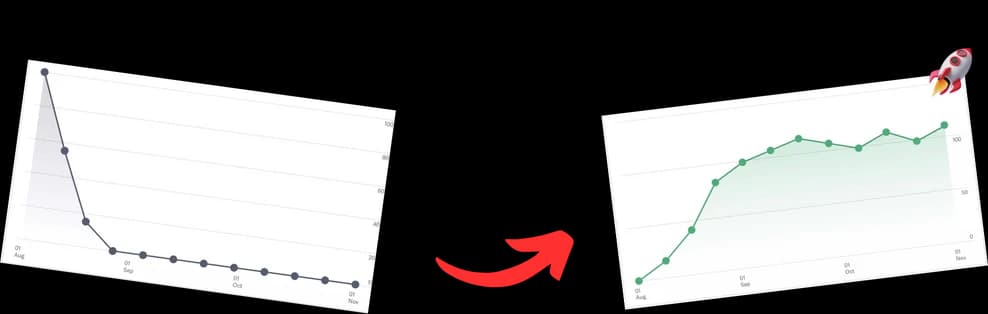
There is no single official, exhaustive ranking of the top search keywords on YouTube that applies to every country, audience, and day. Search demand changes by location and time, and the best keyword for your channel is one that combines real audience interest with a video you can satisfy better than the current results.
Use the 12 creator-focused themes below as research ideas, not as a guaranteed global leaderboard. Validate any term before planning a video:
- Open YouTube Studio's Analytics → Trends tab to see top searches connected to your audience and saved topics.
- Check YouTube autocomplete for the exact phrasing viewers use.
- Review your channel's existing YouTube Search terms and identify topics where you already earn impressions or watch time.
- Compare the current results for quality, freshness, and whether a clear content gap exists.
YouTube describes its Trends tab as an idea and content-gap research tool, and notes that its Top searches card is based on your audience and saved terms over the last 28 days. See YouTube's official Trends guidance.
A keyword generator serves a different purpose: it expands a seed topic into related phrases, but it does not prove that a phrase has demand or that your channel can rank for it. Use TimeSkip's YouTube AI Keywords Generator to build a candidate list, then validate those ideas with Trends, autocomplete, your analytics, and the live results.
The sections below explain 12 high-intent themes that can help creators begin that research.
1. How to Add Chapters to YouTube Videos
As viewers increasingly seek specific information within longer videos, "how to add chapters to YouTube videos" has become one of the top search keywords on YouTube. This high-intent search reflects a creator's need to improve user experience and SEO. Chapters break down your video into timestamped sections, each with its own title, allowing viewers to jump directly to the content they need. This functionality is crucial for retaining audience attention, especially in educational, tutorial, or interview formats.
Why This Keyword Matters
Creators who master this skill gain a significant advantage. YouTube's algorithm often displays video chapters directly in Google search results, creating rich snippets that boost click-through rates. For example, a podcast can segment an hour-long discussion by topic, or a DIY channel can create chapters for each step of a project, making complex content far more accessible.
Actionable Implementation Tips
- Front-Load Value: Place your most important topic in the first chapter to immediately hook viewers.
- Keyword-Rich Titles: Write descriptive chapter titles using relevant keywords. Instead of "Step 2," use "Step 2: Sanding the Wood Surface."
- Optimal Pacing: Ensure chapters are no longer than 10-15 minutes apart to keep the video digestible.
- Automate Creation: Use AI-powered tools like TimeSkip to automatically generate and optimize chapters, saving hours of manual work.
2. YouTube SEO Best Practices
Unsurprisingly, "YouTube SEO best practices" remains one of the top search keywords on YouTube as creators seek to master the platform's algorithm. This high-intent search shows a desire to move beyond just creating content and into strategically optimizing it for maximum organic reach. Effective YouTube SEO involves a holistic approach, covering everything from keyword-rich titles and descriptions to engaging thumbnails and strategic tagging, all designed to increase discoverability.
Why This Keyword Matters
Understanding SEO is the difference between a video being seen by a few subscribers and reaching thousands of new viewers. Tech channels that optimize for specific product names or fitness creators targeting "at-home workout" variations see significant growth. By signaling relevance to YouTube's search engine, creators can consistently rank for valuable terms, driving sustainable channel growth long after a video is published.
Actionable Implementation Tips
- Optimize Titles: Place your primary keyword within the first 60 characters of your video title for maximum impact.
- Write Detailed Descriptions: Craft descriptions over 200 words that include your main keyword and related LSI keywords. Learn more about developing a long-tail keyword strategy to capture niche search intent.
- A/B Test Thumbnails: Use tools like TubeBuddy to test different thumbnail designs and identify which version drives the highest click-through rate.
- Analyze Performance: Regularly check your YouTube Studio analytics to see which search terms are bringing viewers to your videos and create more content around those topics.
3. YouTube Timestamps and Chapters Best Practices
Understanding "YouTube timestamps and chapters best practices" is a level-up from simply knowing how to add them. This search query represents creators looking to strategically optimize video structure for maximum engagement and SEO impact. It's not just about adding timestamps; it’s about using them to guide viewer journeys, enhance discoverability, and align with audience behavior patterns, making it a critical skill for serious content creators.
Why This Keyword Matters
Mastering best practices transforms chapters from a simple navigation tool into a powerful SEO asset. For example, podcast channels can separate interview segments by topic, while educational creators can use chapters as mini-lesson markers. These optimized segments are more likely to appear in Google search results as featured snippets, directly answering user queries and driving highly qualified traffic to specific moments in your video.
Actionable Implementation Tips
- Start at Zero: Always begin your first chapter at the
0:00mark to be eligible for YouTube's automatic chapter feature and improve rich snippet potential. - Optimal Density: Place chapters every 3-8 minutes to keep viewers engaged without overwhelming them. This pacing is ideal for longer content.
- Strategic Keywords: Include your primary video keyword in the titles of your first and last chapters to reinforce topic relevance for the YouTube algorithm.
- Automate Optimization: Leverage AI tools like TimeSkip to analyze your content and automatically generate chapters at the most impactful moments, saving time and improving precision.
4. YouTube Video Analytics and Watch Time Optimization
Understanding how to leverage "YouTube video analytics and watch time optimization" is a core skill for growth and a frequently searched topic among creators. This search query represents a move from content creation to strategic channel management. By diving into YouTube Studio, creators can analyze audience retention graphs to pinpoint exactly where viewers lose interest, guiding decisions on video length, structure, and chapter placement to maximize engagement.
Why This Keyword Matters
This is one of the top search keywords on YouTube because it directly impacts a video's promotion by the algorithm. High watch time and audience retention signal to YouTube that your content is valuable, leading to more impressions in suggested videos and browse features. For instance, a gaming channel can identify the optimal video length for their audience is 15 minutes, while a tutorial creator can place a key chapter right before a common drop-off point to re-engage viewers.
Actionable Implementation Tips
- Analyze Retention Graphs: Before adding chapters, check your audience retention graph to identify peaks and valleys in viewership.
- Prevent Drop-Offs: Place chapters or a compelling hook 1-2 minutes before a typical viewer drop-off point to maintain interest.
- Set a Benchmark: Aim for an average view duration of over 50% as a baseline goal for your content.
- Compare and Contrast: Analyze the analytics of your best-performing videos to identify patterns in length and structure that you can replicate.
5. Long-Form Video Content Strategy
As YouTube's algorithm increasingly rewards watch time, "long-form video content strategy" has become one of the top search keywords on YouTube. This search signals a creator's intent to produce deeper, more engaging content that can hold an audience's attention for 20 minutes to over an hour. A strong long-form strategy is crucial for building authority and maximizing ad revenue, particularly for podcasts, educational deep-dives, and detailed reviews.
Why This Keyword Matters
Long-form content, popularized by creators like Joe Rogan and Andrew Huberman, establishes deep viewer trust and community. When executed well, these extended videos lead to significantly higher session watch times, a powerful signal to the YouTube algorithm. This boosts a channel's overall visibility and makes the content more likely to be recommended. Success hinges on making lengthy videos accessible and not intimidating to the viewer.
Actionable Implementation Tips
- Implement Chapters: Use chapters as a critical navigation tool to prevent viewer drop-off. Segment content into logical 10-15 minute blocks.
- Create a "Table of Contents": Add a detailed, timestamped list of topics in your video description to improve SEO and user experience.
- Monitor Chapter Performance: Use YouTube Analytics to see which chapters get the most replays and clicks, informing future content structure.
- Leverage AI for Efficiency: For videos over an hour, manually creating chapters is tedious. Use a tool like TimeSkip to automatically generate chapters for videos up to four hours long.
6. Podcast Growth and YouTube Distribution
As podcasters increasingly leverage YouTube for audience growth, searches related to "podcast growth" and "YouTube distribution" have surged. This trend reflects a strategic shift where audio-first creators adapt their content for a visual platform, aiming to tap into YouTube's massive discovery engine. Uploading full episodes, whether as static images, audiograms, or full video recordings, makes long-form content accessible to a new, highly engaged audience that prefers the platform for consumption.
Why This Keyword Matters
This keyword is vital because YouTube's algorithm rewards watch time, and long-form podcasts are perfectly suited to maximize this metric. Shows like The Joe Rogan Experience and Huberman Lab demonstrated that multi-hour discussions can dominate the platform. By optimizing for discoverability, podcasters can attract new listeners who find their content through YouTube's search and recommendation features, effectively turning a video platform into a powerful podcast discovery tool.
Actionable Implementation Tips
- Implement Chapters: Use chapters for every major topic discussed. This is non-negotiable for long-form podcasts and allows viewers to navigate complex conversations.
- Keyword-Rich Chapters: Name chapters with guest names and specific topics (e.g., "Andrew Huberman on Dopamine Schedules").
- Create Show Notes: Add timestamped links to key topics in the video description to improve user experience and SEO.
- Automate Workflow: For weekly shows, use a tool like TimeSkip to automatically generate accurate chapters, saving significant production time.
7. YouTube Channel Growth Strategies for Creators
A foundational query for aspiring and established creators, "YouTube channel growth strategies" is consistently one of the top search keywords on YouTube. This search signals a creator's desire to move beyond simple uploads and into strategic content planning, audience engagement, and channel optimization. Effective growth requires a holistic approach, where elements like content quality, consistency, and SEO work in harmony to attract and retain viewers.
Why This Keyword Matters
Understanding growth strategies allows creators to leverage YouTube's algorithm effectively. For instance, tech reviewers like Marques Brownlee use high-quality, consistent uploads to build authority, while finance creators like Graham Stephan use niche-specific content to capture a dedicated audience. These strategies are not just about gaining subscribers; they are about building a sustainable and discoverable brand on the platform.
Actionable Implementation Tips
- Analyze Competitors: Study the chapter strategies of top channels in your niche to identify what resonates with your target audience.
- Implement Consistently: Apply a consistent growth strategy, including features like video chapters, across all new uploads to build viewer expectations.
- Track Key Metrics: Monitor audience retention and watch time before and after implementing new strategies to measure their direct impact.
- Automate to Elevate: Use AI tools like TimeSkip to automate time-consuming tasks like chapter creation, freeing you to focus on content and community. For deeper insights, you can learn more about YouTube search trends.
8. AI Tools for Content Creators and Video Production
The search for "AI tools for content creators" is skyrocketing on YouTube as creators look for ways to streamline their workflow and enhance production quality. This keyword reflects a growing demand for intelligent automation in video editing, optimization, and content repurposing. AI solutions are transforming video production by handling repetitive tasks, allowing creators to focus more on strategy and creativity. Tools in this space help with everything from generating short-form clips to optimizing video chapters for maximum engagement.
Why This Keyword Matters
Leveraging AI tools gives creators a competitive edge by significantly reducing production time and costs. For instance, a creator can use Opus Clip to automatically generate viral short-form clips from a long podcast, or use Descript for AI-powered transcription and editing. This efficiency allows for more consistent content output, which is a key factor in YouTube's algorithm. Integrating AI is no longer a luxury but a necessity for scaling a channel effectively.
Actionable Implementation Tips
- Automate and Elevate: Use tools like TimeSkip to automate chapter generation, leveraging its AI to optimize titles for SEO and viewership.
- Review and Refine: Always review AI-generated outputs, whether it's video clips or chapter titles, to ensure they align with your brand voice and quality standards.
- Create a Workflow: Combine multiple AI tools for a comprehensive optimization strategy. For example, use an AI scriptwriter, then edit with Adobe Firefly, and finally optimize with TimeSkip.
- Trust Proven Systems: When adopting a new tool, rely on those with a strong track record. TimeSkip, for instance, has successfully optimized over 10,000 videos, providing a reliable foundation for your AI strategy.
9. Video SEO and Search Engine Optimization for YouTube
Understanding "video SEO" is a game-changer for creators looking to dominate not just YouTube's platform but also Google's search results. This keyword represents a deep dive into optimizing all elements of a video, including titles, descriptions, transcripts, and structured data. Effective SEO ensures your content is discovered by a wider audience, turning your channel into a powerful traffic source for high-intent queries far beyond the confines of YouTube itself.
Why This Keyword Matters
Mastering video SEO means your tutorials can appear as chapter snippets in "how-to" searches on Google, or your reviews can show up directly in Shopping results. Pioneers like Neil Patel and Rand Fishkin popularized these strategies, demonstrating that YouTube is a secondary search engine. Optimizing for it allows podcast episodes to rank for specific long-tail keywords discussed within the conversation, capturing highly targeted viewers.
Actionable Implementation Tips
- Primary Keyword Placement: Ensure your main keyword appears in your video title, the first line of your description, and your first chapter title.
- Chapter for Long-Tails: Create chapters based on long-tail keyword variations to capture more specific search traffic.
- Use Transcripts: Enable automatic captions and use the transcript to find additional keywords to target in your metadata.
- Leverage AI: To streamline your production and enhance your channel's potential, explore the 12 Best AI Tools for YouTube Automation for tasks like keyword research and description writing.
10. Content Creator Productivity and Workflow Automation
As the creator economy matures, searches for "content creator productivity" and "workflow automation" are surging. Creators are no longer just artists; they are business owners looking to optimize every part of their process. This keyword reflects a critical need to automate repetitive tasks, like adding video chapters, to free up time for creative work. Efficient workflows are the secret weapon for creators managing multiple platforms, from podcasters to online educators.
Why This Keyword Matters
This search trend highlights a shift from content creation to content operation. Mastering automation gives creators a competitive edge, allowing them to produce more high-quality content consistently. For example, a busy producer managing 20+ videos monthly can use tools like TimeSkip to generate chapters in seconds, saving hours that can be reinvested into thumbnail design or SEO research. This focus on efficiency is a key reason it's one of the top search keywords on YouTube for serious creators.
Actionable Implementation Tips
- Integrate Immediately: Implement tools like TimeSkip directly into your post-upload checklist to make chapter creation a seamless step.
- Batch Your Tasks: Dedicate specific time blocks to automate repetitive tasks, such as generating chapters for an entire week's worth of videos at once.
- Track Your Gains: Monitor the time you save over a month to quantify the productivity increase and identify other areas for optimization.
- Reinvest Saved Time: Use the hours you reclaim to focus on high-impact activities like audience engagement, scriptwriting, or collaboration outreach.
11. YouTube Viewer Retention and Engagement Metrics
Searches for "YouTube viewer retention" and related engagement metrics signal a shift from vanity metrics to performance-driven strategy. These high-intent keywords are used by creators wanting to understand what the YouTube algorithm prioritizes. High retention tells YouTube that viewers find the content valuable, leading to greater visibility. This metric is crucial for diagnosing content performance and identifying where viewers lose interest.
Why This Keyword Matters
Understanding retention metrics is fundamental to channel growth. By analyzing audience retention graphs, creators can pinpoint the exact moments viewers drop off and take corrective action, such as adding a pattern-interrupt or clarifying a complex point. For instance, a tutorial creator might notice a dip and add a chapter marker just before it, allowing viewers to skip a less relevant section and stay engaged with the core content.
Actionable Implementation Tips
- Analyze Retention Graphs: Before adding chapters, study your video's retention graph to identify significant dips and peaks.
- Pre-Emptive Chapters: Place chapters 1-2 minutes before an anticipated drop-off point to give viewers an easy way to skip ahead instead of leaving.
- Incentivize Clicks: Write chapter titles that tease valuable upcoming content, turning a potential exit point into a reason to keep watching.
- Test and Monitor: Experiment with chapter density. Monitor how changes impact retention on a chapter-by-chapter basis to understand audience preferences.
- Use AI Optimization: Leverage tools like TimeSkip to analyze retention data and automatically suggest optimal chapter placements to maximize engagement.
12. Educational Content and Online Tutoring on YouTube
As YouTube solidifies its role as a premier learning platform, searches for educational content and online tutoring have skyrocketed, making it one of the most impactful categories. This keyword trend covers everything from academic subjects like math to professional skills like coding. Viewers seek structured, in-depth knowledge, often in videos that exceed 20 minutes, making clear navigation essential for a positive learning experience. Channels that excel in this niche, like Khan Academy and Crash Course, effectively organize complex information into digestible segments.
Why This Keyword Matters
Tapping into this keyword group positions your channel as an authoritative resource. Educational content boasts high engagement and viewer loyalty, as audiences return to complete courses or reference specific lessons. By structuring your content as a virtual curriculum using chapters, you improve user experience and signal to YouTube's algorithm that your video provides comprehensive value on a topic, boosting its visibility in search results. For example, a language course can be chaptered by difficulty level, or a coding tutorial can be segmented by programming concept.
Actionable Implementation Tips
- Curriculum-Based Chapters: Align your chapter titles with specific learning objectives from a curriculum or syllabus.
- Keyword-Rich Lessons: Use chapter titles like "Python Basics: Understanding Variables and Data Types" instead of just "Lesson 2."
- Timestamped Resources: Create a downloadable guide with timestamps that links to external resources or exercises for each chapter.
- Automate for Scale: For large course libraries, use AI tools like TimeSkip to instantly generate accurate chapters, saving significant administrative time.
12-Item Comparison of Top YouTube Search Keywords
| Item | 🔄 Implementation Complexity | ⚡ Resource Requirements | 📊 Expected Outcomes | Ideal Use Cases | ⭐ Key Advantages | 💡 Tips |
|---|---|---|---|---|---|---|
| How to Add Chapters to YouTube Videos | Low–Medium; manual formatting if no tool | Low (time + basic SEO knowledge) | Moderate–High: ↑ retention, better discoverability | Tutorials, podcasts, interviews, long-form tutorials | Improved navigation, rich snippets, UX boost | Use keyword-rich titles; keep chapters ≤10–15 min; test on mobile |
| YouTube SEO Best Practices | Medium; ongoing iterative work | Moderate (keyword research, A/B testing) | High: sustained organic traffic and channel authority | Channels targeting search-driven growth (tech, education) | Cost-effective long-term growth; better rankings | Put primary keyword in title (first 60 chars); use chapters as SEO touchpoints |
| YouTube Timestamps and Chapters Best Practices | Medium; requires analytics-informed placement | Moderate (viewer data + time to optimize) | High: ↑ CTR, mobile UX, featured snippets | Podcasts, tutorials, reviews, educational segments | Enables featured snippets; improves mobile retention | Place chapters every 3–8 min; start at 0:00; keyword-optimize titles |
| YouTube Video Analytics and Watch Time Optimization | Medium–High; needs analytics skills | Moderate (sufficient watch time data) | High: targeted retention improvements and predictive gains | Creators focused on retention-driven optimization | Identifies drop-offs; informs chapter strategy | Check retention graphs before finalizing chapters; target 50%+ AVD |
| Long-Form Video Content Strategy | High; planning and production intensive | High (production time, editing resources) | High: increased watch time, monetization potential | Podcasts, full-course videos, long interviews, streams | Deep engagement, higher ad revenue, broader keyword coverage | Segment into 10–15 min chapters; add table of contents in description |
| Podcast Growth and YouTube Distribution | Medium; multiplatform workflow complexity | Moderate–High (transcripts, editing, distribution) | High: expanded discoverability and long-form watch time | Podcasters republishing to YouTube (audio/video) | Chapters & transcripts improve search and navigation | Use guest names/topics as chapter keywords; add show notes with timestamps |
| YouTube Channel Growth Strategies for Creators | High; holistic, multi-pronged effort | Moderate–High (consistent content + optimization) | Very High over time: subscriber and revenue growth | Channels pursuing scalable, long-term growth | Chapters improve multiple growth metrics simultaneously | Implement chapters consistently; track before/after metrics |
| AI Tools for Content Creators and Video Production | Low–Medium; easy integration but needs oversight | Low time cost; may need subscriptions/trials | High: large time savings and consistent output quality | Busy creators, teams automating repetitive tasks | Fast processing, scalable automation, consistent optimization | Review AI outputs; combine tools; validate keywords with analytics |
| Video SEO and Search Engine Optimization for YouTube | Medium–High; technical SEO knowledge helpful | Moderate (transcripts, schema, keyword work) | High: better Google & YouTube rankings and CTR | Videos targeting SERP visibility and knowledge queries | Chapters enable searchable snippets; transcripts indexable | Put primary keyword in title/first chapter; enable captions; use structured data |
| Content Creator Productivity and Workflow Automation | Low–Medium; short learning curve for tools | Low (initial setup, then time savings) | High: significant per-video time savings and consistency | High-volume creators, educators, social teams | Saves 15–30+ min/video; scales workflow without extra staff | Run chapter generation immediately after upload; track time saved |
| YouTube Viewer Retention and Engagement Metrics | Medium; analytic interpretation required | Moderate (sufficient views/data collection) | High: retention improvements (15%+ typical) and better recommendations | Creators optimizing engagement and watch time | Better retention → algorithm favorability; reduced bounce | Place chapters 1–2 min before drop-offs; test chapter density |
| Educational Content and Online Tutoring on YouTube | High; pedagogical planning + production | High (course design, captions, editing) | High: improved learning outcomes and discoverability | Online educators, course creators, long lectures | Chapters as learning aids; easier content navigation | Align chapters with learning objectives; enable captions and downloadable guides |
From Keywords to Channel Growth: Your Next Steps
Navigating the landscape of YouTube requires more than just creating great content; it demands a strategic understanding of what your audience is actively searching for. Throughout this guide, we've dissected the top search keywords on YouTube, moving beyond simple lists to explore the underlying intent behind terms related to SEO, viewer retention, and content strategy. We've seen that modern viewers aren't just looking for entertainment; they're searching for specific answers, tutorials, and structured information within long-form videos.
The common thread weaving through nearly every high-value keyword, from "YouTube SEO best practices" to "educational content," is the critical need for structure and accessibility. Your audience is time-poor and information-hungry. They want to find the exact segment they need without scrubbing through an hour-long video. This is where the tactical implementation of YouTube Chapters and timestamps becomes a non-negotiable element of your channel's growth strategy.
Synthesizing Keywords into Action
The most successful creators are those who translate keyword knowledge into tangible on-video features. Think of your video's structure as a direct response to the search queries that led viewers to you.
- For "How-To" and Educational Keywords: Each step or key concept you teach should become a distinct chapter. This directly satisfies search intent and boosts your video's utility, signaling to the algorithm that you are providing a high-value resource.
- For "Review" and "Comparison" Keywords: Break down your video into chapters like "Unboxing," "Key Features," "Performance Test," and "Final Verdict." This allows viewers to jump to the section most relevant to their purchasing decision.
- For "Podcast" and Interview Keywords: Segmenting long conversations by topic or question is essential. It transforms a daunting, monolithic audio file into a browsable library of insights, making your content far more discoverable and shareable.
Mastering the use of top search keywords on YouTube isn't just about stuffing tags or writing clever descriptions. It's about fundamentally structuring your content to align with viewer behavior and algorithmic priorities. By implementing clear, descriptive chapters, you are essentially creating multiple entry points into a single video, maximizing its potential to rank for a wide array of long-tail variations. You are telling both your audience and YouTube that you respect the viewer's time and have created a well-organized, authoritative piece of content. This commitment to viewer experience is the ultimate catalyst for improved watch time, higher retention, and sustainable channel growth.
Ready to stop guessing and start structuring? Implementing strategic chapters for every video can be time-consuming, but it doesn't have to be. TimeSkip uses AI to automatically generate optimized, SEO-friendly YouTube chapters in seconds, freeing you to focus on creating amazing content. Try TimeSkip for free today and see how effortless it is to enhance your video's visibility and viewer experience.