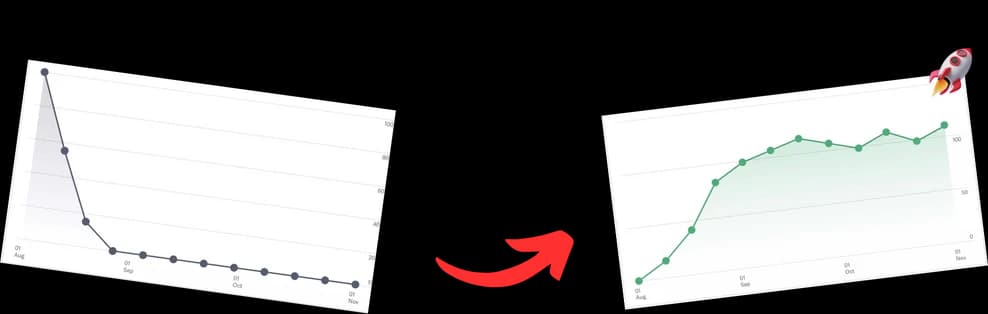
You spent hours scripting, recording, editing, and uploading a video you know is useful. The comments from the few people who found it are positive. The watch experience is solid. Still, the view graph barely moves.
That usually feels like a content problem, but often it's a discoverability problem.
A lot of creators obsess over cameras, lighting, and editing before they've built a system for getting found. Production quality matters. If your stream or recording looks rough, fix that first with practical guidance on how to improve live stream video output. But clean visuals alone don't make YouTube understand what your video is about, who it's for, or which searches it should appear for.
That gap is where a YouTube SEO expert becomes useful. Not as a magician. As the person who turns a good video into a findable asset.
Why Your Great Videos Aren't Getting Views
A familiar pattern shows up on small and mid-sized channels.
A creator publishes a strong tutorial. The advice is specific. The editing is tight. The thumbnail looks decent. But the title is written like an inside joke, the description is two short lines, the tags are random, and the first minute never confirms the search intent the viewer came for. YouTube has very little structured context to work with, so the video struggles to surface.
The creator then draws the wrong conclusion. “My niche is too competitive.” Or worse, “My content just isn't good enough.”
Sometimes the content does need work. But many videos underperform because they were packaged for upload, not for discovery.
Great videos don't automatically become visible videos. Someone has to connect the topic, the wording, and the viewer's intent.
That's the practical value of a YouTube SEO expert. They close the gap between what you made and what people are already searching for. They look at your channel the way a good editor looks at a draft. Not just “is this good,” but “is this clear, relevant, and easy to find?”
The difference is rarely one dramatic fix. It's usually a stack of smaller corrections:
- Topic framing: Does the idea match a searchable problem?
- Metadata alignment: Do the title and description use the language viewers use?
- Retention fit: Does the opening deliver on the promise quickly?
- Search signals: Are chapters, captions, and tags helping YouTube classify the video?
When those pieces line up, good content finally gets a fair shot.
The Anatomy of a True YouTube SEO Expert
A real YouTube SEO expert isn't a keyword stuffer. They're closer to an architect. They design the channel's visibility system so each upload has a better chance of being discovered, understood, and recommended.
Google has reported for years that YouTube is the second-largest search engine, and practical guidance on the role emphasizes that experts improve discoverability through keyword research, metadata optimization, and analytics-driven iteration while aligning titles, descriptions, tags, thumbnails, and retention signals with YouTube's ranking systems (Floowi Talent). That's the job in one sentence.

The strategist
The strategist starts before the upload screen.
They ask questions most creators skip. What search intent does this video serve? Is the topic broad enough to attract demand but narrow enough to compete? Should the video target a primary query or support a broader content cluster on the channel?
Many channels fail when they publish what they want to say, not what the audience is already trying to solve.
A strategist also understands sequencing. Some videos should chase direct search demand. Others should support authority around a theme, feeding related-video visibility later. The point isn't stuffing every upload with SEO. It's building a library that makes sense to both viewers and the platform.
The analyst
The analyst reads YouTube Studio like a diagnostic tool.
They don't stop at views. They look at views from YouTube Search, watch time, retention patterns, and how performance changes after metadata updates. If a video ranks for the wrong query, they adjust. If search impressions appear but viewers drop early, they don't blame SEO. They inspect the hook.
That's an important distinction. SEO can win the click. It can't rescue a weak structure once the video starts.
Practical rule: If a candidate talks only about rankings and never about retention, they understand packaging but not growth.
The creative thinker
The creative side is what separates a technician from someone who can move a channel.
A YouTube SEO expert has to translate dry keyword intent into titles people want to click. They need to shape descriptions that sound human, not machine-generated. They often influence thumbnail direction because packaging only works when text, image, and topic promise the same outcome.
That combination of search logic and audience psychology is why the role is hard to fake.
If you want a broader view of improving video content searchability, it helps to think beyond tags and into the full experience a viewer and algorithm both read: title, thumbnail, opening hook, structure, captions, and follow-through.
What a novice does differently
A novice usually works checklist-first. Add keywords. Fill tags. Write a longer description. Done.
An expert works system-first:
| Role behavior | Novice approach | Expert approach |
|---|---|---|
| Topic choice | Picks broad ideas | Matches topic to search intent and competition |
| Metadata | Adds keywords anywhere | Places keywords where they clarify relevance |
| Performance review | Checks views | Reads search traffic, watch time, and retention together |
| Iteration | Makes one-off edits | Builds a repeatable testing process |
That's why hiring one can help. It's also why becoming one takes more than learning a few tricks.
The Expert's Toolkit and Essential Tactics
A channel publishes strong videos for six months, then wonders why search traffic barely moves. The usual problem is not effort. It is misalignment. The topic targets the wrong query, the title promises one thing, the thumbnail suggests another, and the chapters say almost nothing useful.

An expert fixes that with a workflow, not a bag of tricks. That matters whether you plan to hire one or become one yourself. If you hire, this is the work you should expect. If you are building the skill yourself, this is the operating model to learn.
Start with keyword research that respects intent
Good YouTube keyword research starts with one question: what problem is the viewer trying to solve at the moment they search?
Search volume matters, but intent fit matters more. GreenGeeks recommends using YouTube Autocomplete, Google Keyword Planner, vidIQ, or TubeBuddy to find phrases with meaningful demand and manageable competition, especially long-tail queries that match a clear need. That is how smaller channels compete. They do not win by chasing the broadest phrase in the category. They win by answering a narrower question better than the current results.
Use a simple process:
- Collect raw phrasing from YouTube Autocomplete. This reveals how viewers ask the question.
- Check variants in vidIQ, TubeBuddy, or Keyword Planner. Look for phrases specific enough to imply a clear outcome.
- Study the search results. If the page is dominated by huge channels with tightly matched videos, pick a better opening target.
- Choose one primary query. Support it with a few related phrases that belong to the same intent.
That last point gets ignored all the time. One video should answer one search job well. Trying to rank for several unrelated intents usually weakens relevance and hurts retention because the video wanders.
Build metadata that clarifies the video fast
Metadata still helps YouTube classify a video, but only when it is clear and aligned with the content.
Yoast points to practical elements such as keyword placement, chapter structure, and performance tracking through views, watch time, retention, and search traffic. The useful takeaway is simple. Put the main topic where both viewers and YouTube can identify it quickly, then support it with plain language.
Use this standard:
- Title: Lead with the topic or outcome if it still sounds natural.
- Description: State what the video covers in human language, then add context that supports relevance.
- Tags: Use a small set of accurate tags tied to the actual topic.
- Thumbnail: Match the promise of the title so clicks turn into watch time, not fast drop-offs.
ROI finds its practical application here: A well-written title can raise click-through rate. A well-matched thumbnail and opening can protect retention after the click. Together, they improve the odds that search impressions turn into watch time and conversions, which is what clients care about and what in-house operators should report on.
Use chapters as search surfaces
Chapters help viewers skim. They also give YouTube more context about what happens inside the video.
Floating Chip notes that chaptered videos can help users jump to specific sections directly from search. For long-form tutorials, interviews, and podcasts, that changes how optimization works. The title targets the main query. The chapter labels target the subtopics people search for within that broader topic.
Weak chapter labels waste that surface area:
- Intro
- Main Part
- More Tips
- Final Thoughts
Useful chapter labels read like search phrases or clear subtopics:
- Why thumbnail click-through drops after day one
- How to align the thumbnail promise with the opening hook
- Thumbnail mistakes that hurt tutorial retention
For teams handling long videos every week, chapter creation can become a production bottleneck. A current list of YouTube SEO tools for research, optimization, and workflow support can help you compare options. One tool in that category is TimeSkip, a Chrome extension that generates SEO-focused YouTube chapters from a transcript. That is useful when manual timestamping slows down publishing.
A hiring note matters here. If an expert never looks beyond title and tags, they are missing one of the clearest indexing opportunities in long-form content. If you are becoming the expert, chapter strategy is an easy place to build an edge.
A useful walkthrough of optimization in practice is below.
Don't ignore captions and transcripts
Captions do two jobs. They improve accessibility, and they give YouTube more text to interpret.
A transcript also makes quality control easier. It shows whether the video covers the phrase in the title, whether the opening gets to the point quickly, and whether the language matches the search intent you targeted in the first place.
That is why experienced operators review transcripts as part of optimization, not as an afterthought. If the spoken content is vague, no metadata tweak will rescue the video for long. If the transcript is specific, structured, and aligned with the query, search has a much better chance of matching the video to the right viewer.
For someone hiring, this section is the checklist. For someone learning the craft, it is the baseline system. In both cases, the goal is the same. Get qualified impressions, earn the click, hold attention, and tie the result back to revenue or another real business outcome.
How to Evaluate and Hire the Right Expert
Hiring a YouTube SEO expert gets expensive fast when you hire for confidence instead of diagnosis.
The biggest mistake is assuming SEO is automatically the right fix. In practice, even SEO specialists point out that retention, hooks, and video structure often drive growth more than metadata alone. One cited case only worked after keyword targeting was combined with competitor analysis and stronger hooks, which is why the first hiring question should be whether your channel has an SEO problem or a content-fit problem (Expert SEO).

Diagnose before you recruit
Before you post a job, answer these questions internally:
- Traffic issue: Are videos not getting search impressions, or are they getting impressions and failing to earn clicks?
- Viewer issue: Do people click but leave early?
- Content issue: Are the topics too broad, too vague, or poorly matched to audience demand?
- Workflow issue: Does your team know what to optimize but fail to do it consistently?
Those are different problems. They require different hires.
If you need help comparing specialist support models, this overview of a YouTube SEO agency can help clarify whether you need a freelancer, consultant, or agency setup.
What a strong job description includes
Weak job posts ask for “YouTube growth.” Strong ones define the work.
A useful brief should mention:
| Hiring element | What to specify |
|---|---|
| Channel type | Tutorial, podcast, education, SaaS, media, or personal brand |
| Main goal | Improve search visibility, optimize existing library, or build repeatable publishing workflow |
| Scope | Metadata, topic research, thumbnail guidance, chapter strategy, analytics review |
| Success criteria | Better search alignment, stronger click quality, improved retention by intent |
| Collaboration | Whether they work with editors, hosts, designers, or solo creators |
That attracts people who understand operations, not just theory.
Interview for diagnosis, not jargon
The best interview questions force candidates to think aloud.
Try prompts like these:
- “Walk me through how you'd audit a channel with declining organic views.”
- “How do you tell whether poor performance is a search issue or a retention issue?”
- “What would you change first on a library of old videos that still get some search traffic?”
- “How do you handle a creator who wants broad titles when the search intent is narrow?”
- “When would you tell us not to invest more in SEO right now?”
A weak candidate answers with tactics. A strong one starts with diagnosis, audience behavior, and trade-offs.
Hire the person who can explain when SEO won't help. That's usually the one who understands it.
Red flags that show up early
Watch for these signals in calls and proposals:
- Guarantee language: Anyone promising rankings without discussing topic competition or content quality is overselling.
- Tag obsession: Tags still matter, but a candidate who treats them as the core lever is behind.
- No retention discussion: Search and click-through are only half the system.
- Template audits: If their feedback sounds generic, it probably is.
- No workflow thinking: Good experts improve process, not just one upload.
Pricing models vary. Some work hourly for audits, others charge per project for channel cleanups, and others run monthly retainers for research, optimization, and reporting. The right model depends less on price format and more on whether the scope matches the actual bottleneck.
Your Roadmap to Becoming a YouTube SEO Expert
A creator publishes 20 solid videos, follows generic SEO checklists, and still gets flat search traffic. Another creator works on the same topic, changes how they research, package, and review performance, and starts building repeatable search growth. The difference is rarely a secret tactic. It is the ability to connect search intent, viewer behavior, and business outcomes.
That is the roadmap whether you want to become the expert or hire one later. Real expertise shows up in decisions that improve qualified views, watch time from search, and conversions tied to the right videos.

Start with controlled practice, not theory alone
Use a small channel, a side project, or a client library with enough history to compare before and after changes. The goal is to learn cause and effect.
Begin with the parts you can control consistently:
- Search intent mapping: Identify the exact question, problem, or comparison the video should rank for.
- Title and thumbnail alignment: Improve click-through without promising something the video does not deliver.
- Descriptions, captions, and chapters: Give YouTube more context and make the video easier to parse.
- Post-publish review: Check whether traffic came from search, whether those viewers stayed, and whether the topic matched the audience.
Many beginners get stuck, treating optimization as metadata entry. Strong operators treat it as distribution design.
Build judgment before you collect more tools
Tools speed up research. They do not replace judgment.
Learn to answer four questions on every video:
- What exact intent should this video satisfy?
- What wording does the audience use?
- Does the packaging match that intent closely enough to win the click?
- Does the video hold the audience well enough to keep earning search distribution?
That skill matters more than memorizing a software stack. YouTube Autocomplete, Google Trends, vidIQ, TubeBuddy, and a good spreadsheet are useful. The edge comes from knowing which signal matters in context and which one is noise.
I usually tell new strategists to study ten videos that underperformed and ten that earned search traffic over time. The comparison sharpens judgment fast.
Use a progression that creates proof
A simple path works well:
- Reoptimize a small batch of existing videos. Pick videos with some impressions or residual search traffic.
- Group topics into clusters. One core topic, several supporting queries, and clear intent for each video.
- Review performance in YouTube Studio. Use a solid guide to YouTube analytics reporting and traffic-source analysis so you can separate search gains from retention problems.
- Write down your reasoning. Keep notes on what changed, why you changed it, and what happened after.
That last step matters more than people expect.
If you want clients or an in-house role, a strong portfolio is not a stack of screenshots with view counts circled. It is a record of decisions, trade-offs, and results. If you want to hire an expert later, this same framework helps you judge whether someone knows how to think.
Work across formats so your skill set holds up
A tutorial channel teaches intent matching. A podcast channel teaches chapter structure and how people skim long videos. A product-led channel teaches how search traffic needs to connect to leads or sales, not just views.
That range is useful because YouTube SEO is never just about ranking. It is about getting the right viewer into the right video and creating a path to the next action. For brands, that often means tying search topics to pipeline goals. This broader view of how to unlock social campaign impact is a helpful reminder that discovery work only matters when it supports measurable business return.
Publish evidence, not borrowed authority
New specialists often rush to sound experienced. That usually produces generic advice and weak trust.
A better approach is to share real analyses. Show a title rewrite and explain the trade-off. Show how chapter labels changed the clarity of a long video. Show why a video with strong impressions but weak watch time has a content problem, not an SEO problem.
That kind of proof helps both paths covered in this article. It gives aspiring experts a credible body of work. It gives companies hiring for YouTube SEO a clear standard for what good thinking looks like.
Keep a repeatable review loop
Expertise grows from repetition and feedback.
Review uploads regularly. Study search results in your niche. Track which topics keep attracting qualified traffic months later. Note where packaging improved clicks but hurt retention, or where narrow intent brought fewer views but better business results.
That is the job. Diagnose. Test. Review. Adjust. Over time, that process turns you into the kind of YouTube SEO expert worth hiring.
Measuring Success and Proving ROI
The easiest way to waste YouTube SEO effort is to measure the wrong thing.
Subscribers can be useful. Raw views can be useful. But neither tells you whether your optimization work improved discoverability in a meaningful way. A YouTube SEO expert should tie changes to the metrics that reflect search alignment, viewer fit, and business impact.
A solid starting point is learning how YouTube reports traffic sources, engagement, and viewer behavior. This breakdown of YouTube analytics is helpful if you need a cleaner read on what the platform is showing you.
Essential YouTube SEO KPIs
| KPI (Key Performance Indicator) | What It Measures | Why It's Important |
|---|---|---|
| Views from YouTube Search | How many views came from search discovery | Shows whether your topic and metadata are connecting to active demand |
| Watch time | Total time viewers spend watching | Helps you judge whether discoverability is producing meaningful consumption |
| Audience retention | How well viewers keep watching through the video | Reveals whether the packaging promise matches the content experience |
| Ranking position | Where a video appears for target queries | Useful for checking visibility progress on search-led topics |
| Search traffic quality | Whether search viewers actually stay and engage | Separates empty impressions from qualified discovery |
What ROI looks like in practice
ROI on YouTube SEO isn't just “we got more views.”
It looks more like this:
- A business channel gets more qualified traffic to educational videos that support trust before a sales conversation.
- A creator channel turns old uploads into compounding assets instead of one-week spikes.
- A podcast becomes easier to skim, easier to search, and easier to consume in sections.
- A course business connects tutorials to real learner questions instead of publishing from internal assumptions.
That's why vanity metrics mislead. A video can spike from an unrelated source and produce no downstream value. A search-aligned video can look smaller on the surface and still be more useful because the audience came in with intent.
If you need a broader framework to unlock social campaign impact, the same principle applies here. Tie performance back to the action you wanted, not the easiest number to screenshot.
Good reporting answers one question: did optimization attract the right viewer, and did that viewer stay long enough for the video to matter?
Frequently Asked Questions
How long does YouTube SEO take to show results
It depends on the channel, the topic, and whether the issue is discoverability or content quality.
Metadata changes can affect how clearly YouTube understands a video, but that doesn't guarantee immediate movement. Search-led growth usually works best as a compounding process across a library, not a one-upload event.
Should I hire a YouTube SEO expert or do it myself
Use a simple filter.
Do it yourself if you have time to learn, publish consistently, and review performance with discipline. Hire an expert if your team already has content momentum but keeps missing on discoverability, packaging, or analysis.
If your real issue is weak hooks or poor retention, fix that first. SEO won't solve a video that disappoints viewers.
Is YouTube SEO a one-time setup
No. It's an ongoing workflow.
A good title can age poorly. Search intent can shift. Old videos can become worth refreshing. New chapters, updated descriptions, and sharper packaging can improve the value of an existing library over time.
Are chapters really worth the effort
Yes, especially for long-form videos.
They help viewers move through the content, and they give YouTube more structured context about what's inside the video. For tutorials, interviews, podcasts, and educational uploads, chapter quality often separates a merely uploaded video from a searchable one.
What's the biggest hiring mistake
Hiring someone to “do SEO” before confirming that SEO is the bottleneck.
If viewers click and leave, you need content and structure help. If the right viewers never find the video, then SEO becomes the right lever.
If you publish long-form videos, chapters are one of the fastest places to tighten your YouTube SEO workflow. TimeSkip helps generate SEO-focused chapters from your video transcript, which makes it easier to turn long tutorials, podcasts, and educational videos into content YouTube can classify and viewers can skim.