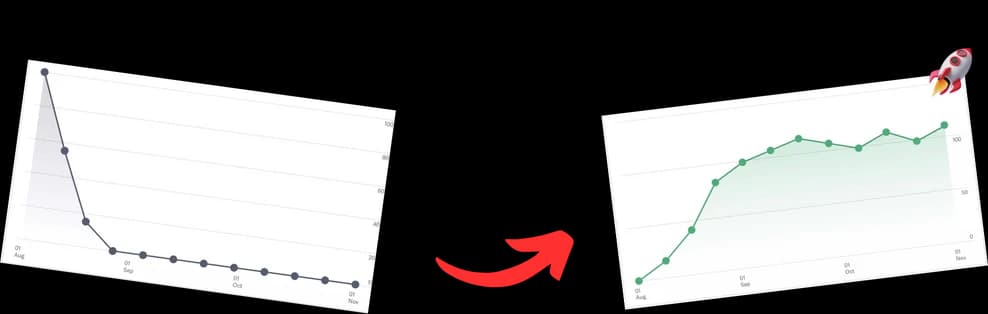
You've posted consistently. You've learned how to script faster, edit cleaner, and publish without second-guessing every thumbnail. Now you're checking your subscriber count and watch time more often than you'd like, wondering when YouTube stops feeling like a side project and starts acting like a business.
That moment is exactly why the YouTube Partnership Program matters.
Most new creators treat YPP like a finish line. Hit the numbers, get approved, turn on ads, and you're done. In practice, that's when the actual work begins. Monetization changes your channel from a publishing habit into an operating business, where content format, audience fit, retention, and revenue mix all start to matter much more.
The Goal The YouTube Partner Program
A lot of creators reach the same point. They pass an early milestone, maybe a few videos start gaining traction, and suddenly the question changes from “Can I grow this?” to “Can I make this sustainable?”
That's where the YouTube Partner Program comes in. It's the system that allows eligible creators to gain access to monetization features and begin earning directly through YouTube. This also marks the point where YouTube starts treating your channel as a business participant, not just a publishing account.
The opportunity is large because YouTube itself is large. In 2024, YouTube generated $36.1 billion in revenue and reached 2.74 billion active users, according to Business of Apps' YouTube statistics. That scale is why so many creators focus on YPP in the first place. You're not trying to monetize on a niche platform with limited upside. You're building on one of the biggest media ecosystems in the world.
Still, getting in shouldn't be your only goal.
Practical rule: Qualifying for YPP proves your channel can attract attention. Building a durable creator business means proving your channel can keep attention and turn it into repeatable revenue.
A tutorial channel might qualify through steady long-form watch time. A commentary creator might reach the threshold faster with Shorts. A live creator might care less about ad revenue at first and more about fan support features. Same program, different business model.
That's why the smartest creators prepare for YPP before they apply. They don't just chase metrics. They build searchable videos, stronger session time, clearer packaging, and a content library that can support income after approval.
What YPP Is and How You Can Earn
Think of the YouTube Partner Program as opening a digital storefront inside your channel. Ads are one shelf in that store, but they aren't the whole building.
YouTube describes YPP as a bundle of monetization tools. Partners can earn through ads, YouTube Premium, memberships, Super Chat or Super Thanks, and Shopping, as explained in YouTube's creator blog overview of the partner program. That matters because many creators still think “monetized” only means pre-roll ads.

The main ways creators earn
- Ad revenue: This is a widely recognized revenue source. YouTube places ads on eligible content, and creators share in that revenue.
- YouTube Premium revenue: If Premium subscribers watch your content, you can earn from that viewing time too.
- Channel memberships: Viewers can pay for perks, badges, or bonus access.
- Super Chat and Super Thanks: These features let viewers support you directly during streams or through one-off contributions.
- Shopping: Creators can connect products to their content and audience.
Why format matters
Not every view earns the same way. YouTube's blog notes that ad revenue sharing is 55% for long-form videos and 45% for Shorts. That doesn't mean one format is always better. It means your revenue strategy should match your content style.
A creator making deep tutorials may lean into searchable long-form videos because those often support better intent and stronger monetization options. A creator built around fast reactions or trends may use Shorts for reach, then push that audience toward live streams, memberships, or products.
That's why I tell new creators not to ask only, “When can I monetize?” Ask, “What kind of monetization fits my audience?”
A channel with modest ad income but strong memberships and viewer support can be healthier than a channel that depends on one revenue source.
If you want a practical breakdown of ad-side thinking, this guide on how to maximize YouTube ad revenue is useful because it helps you think beyond views alone.
YPP Eligibility Requirements Unpacked
This situation often causes the most confusion. Creators hear one threshold from an older video, another from a forum post, and a third from someone who qualified under an older version of the rules.
The clean way to think about it is this. YPP has two tiers. One tier provides access to fan-funding style features. The other provides access to full ad revenue sharing.
According to YouTube's official YPP eligibility help page, the first tier requires 500 subscribers plus either 3,000 valid public watch hours in the last 12 months or 3 million valid public Shorts views in the last 90 days. Full ad revenue sharing requires 1,000 subscribers plus either 4,000 watch hours in 12 months or 10 million Shorts views in 90 days.

The two tiers in plain English
| Tier | What you unlock | Core threshold |
|---|---|---|
| Fan funding tier | Features like memberships, Super Chat, and Shopping access | 500 subscribers plus the lower watch-hours or Shorts requirement |
| Full monetization tier | Ad revenue sharing and broader monetization access | 1,000 subscribers plus the higher watch-hours or Shorts requirement |
That distinction matters. A creator can be “in YPP” for some features while still not being eligible for ad revenue sharing.
What counts beyond subscribers
The visible public metrics get all the attention, but the mandatory requirements matter just as much.
YouTube also requires:
- No active Community Guidelines strikes
- 2-Step Verification
- An active AdSense account
- Access in a supported country or region
Miss one of those, and the numbers won't save you.
A lot of creators also get tripped up by public watch hours. They assume all watch time counts, or they mix different surfaces and formats together. If you want a cleaner explanation of what YouTube counts and what it doesn't, this breakdown of what public watch hours mean on YouTube is worth reading before you plan your content mix.
Which path should you aim for
If you make long tutorials, interviews, podcasts, or educational videos, the watch-hour path often feels more realistic because your catalog can compound over time. If your channel is built around short-form momentum, the Shorts path may be your entry point.
Neither route is easier in every niche.
What matters is alignment:
- Long-form creators should focus on retention, search intent, and session time.
- Shorts creators should think hard about how short-form reach converts into repeat viewers and stronger monetization later.
- Hybrid creators often use Shorts for discovery and long-form for deeper trust and revenue.
Don't choose the metric that looks fastest. Choose the content system you can sustain without burning out or lowering quality.
That's the key shift. YPP eligibility isn't just a math problem. It's evidence that your content model works well enough to support a business.
Your Step-by-Step Application and Review Process
Once you meet the threshold you're aiming for, the application itself is fairly straightforward. The review behind it is what makes people nervous.
The good news is that YouTube gives you a defined path. The bad news is that many channels wait until they're eligible to clean up avoidable problems, and that's late.

Step one meets the threshold
Before anything else, your channel has to satisfy the right combination of subscriber and watch metrics for the tier you want. If your dashboard says you're eligible to apply, then you can move forward with the actual enrollment steps.
Don't rush just because the button appears.
Review your channel like a stranger would. Look at your last several uploads. Ask whether they show a clear niche, original value, and a consistent publishing identity. If your catalog looks scattered, heavily repurposed, or packed with borderline content, pause and fix that first.
Step two accept the terms
Inside YouTube Studio, you'll be asked to accept the YouTube Partner Program terms. This part is simple, but it's still worth doing carefully. You're agreeing to operate under YouTube's monetization policies, not just turning on a feature.
That means your channel needs to be original enough, policy-compliant, and advertiser-friendly enough to survive review and stay monetized later.
Step three set up AdSense correctly
This is one of the most practical places people make mistakes. You need an active Google AdSense account connected to your channel so YouTube can process earnings.
A few things matter here:
- Use matching account details: If the credentials don't line up cleanly, payment setup can become messy.
- Check your channel ownership setup: Multi-user channel arrangements can create confusion if the wrong person handles finance settings.
- Treat AdSense as infrastructure: It isn't exciting, but it's required.
Step four enter review
YouTube's review process uses automated systems to scan for policy violations, and an active Community Guidelines strike can block the application. The standard review takes about 30 days, and if you're rejected, you have to wait 90 days to re-apply, according to YouTube's explanation of the review process.
That waiting period is why creators should prepare before they click apply.
What YouTube is really looking for
A lot of rejected creators focus on the wrong issue. They think, “But I hit the watch hours.” YouTube is asking a different question: “Should this channel be monetized under our policies?”
Here's what tends to matter most:
-
Originality
If your channel relies too heavily on reused clips, lightly edited compilations, or content that adds little new value, you're taking a risk.
-
Copyright cleanliness
Claims and ownership issues can create review problems even when your analytics look healthy.
-
Policy history
Repeated guideline problems make your channel look unstable from a monetization standpoint.
-
Advertiser-friendly presentation
If your content packaging, tone, or subject matter looks risky for brands, approval becomes harder.
The application review isn't only about whether people watch your videos. It's about whether YouTube can responsibly sell around them.
What to do before you apply
I usually suggest a simple pre-application audit:
- Watch your newest uploads end to end: Look for anything that feels derivative, confusing, or likely to trigger complaints.
- Clean up channel presentation: Banner, about section, thumbnails, and playlists should make your niche obvious.
- Review rights and assets: Music, clips, and reused footage need a clear basis for use.
- Check settings: 2-Step Verification, AdSense linkage, and channel access should already be sorted.
If you get rejected, don't panic and don't re-upload random content in a hurry. Use the waiting period to sharpen the channel itself. The creators who pass on a second attempt usually do so because they improved their business model, not because they just waited long enough.
Strategies to Get Approved and Grow Revenue
The best way to get into the YouTube Partnership Program is to build the kind of channel YouTube wants to monetize before you ever submit the application.
That means strong originals, clear audience positioning, and content that's easy to discover and satisfying to watch. It also means treating watch time as the result of better viewer experience, not as a metric to chase blindly.

Start with search and structure
Many creators obsess over thumbnails and forget the rest of the package. Search intent still matters, especially for tutorials, education, reviews, software walkthroughs, podcasts, and explainers.
A stronger video usually has:
- A searchable title: Clear topic first, cleverness second.
- A useful description: Enough context for viewers and YouTube to understand the video.
- A focused opening: The first moments should confirm that the video matches the promise of the title.
- Logical chaptering: Viewers stay oriented when they can scan the structure.
Chaptering is especially useful because it serves two jobs at once. It improves navigation for the viewer, and it gives YouTube clearer topical signals about what your video covers.
Chapters are more than convenience
Creators often add chapters after a video is already underperforming. That's backwards. Chapters belong in the production workflow, especially if your videos teach, explain, compare, or walk viewers through a process.
Good chapters can help by making long videos easier to follow. They also push you to organize the content more clearly before publication. Better structure often leads to better retention because viewers can immediately understand the path of the video.
One option is TimeSkip, a Chrome extension that generates SEO-focused YouTube chapters from a video so creators can add timestamps without manually building the full structure themselves.
After approval, revenue quality matters just as much as revenue access. This guide on how to compute RPM helps you evaluate what your channel is earning per view in a more business-minded way.
Build for the review you haven't submitted yet
If you want a channel that gets approved and stays healthy, create with review criteria in mind:
- Show your voice clearly: Commentary, teaching, testing, or analysis should feel like your contribution, not generic remixing.
- Keep your niche legible: A stranger should understand what your channel is about within a few clicks.
- Favor repeatable formats: Series, recurring topics, and familiar structures help both retention and monetization planning.
- Think beyond ads: Videos that attract trust may support memberships, products, or viewer support later.
This video gives a useful visual look at thinking more strategically about channel growth and monetization workflow:
A channel built for clarity tends to do better in every phase. It's easier for viewers to binge, easier for YouTube to categorize, and easier for you to turn into a business once monetization arrives.
Monetization Alternatives If You Arent Ready for YPP
If you're not eligible yet, you're not stuck. You're in the phase where direct monetization has to come from your audience and your offers, not from YouTube's ad system.
That can be useful. It forces you to learn what your viewers value enough to support.
The YouTube side also has a practical delay built in. AdSense requires a minimum $100 payment threshold before revenue is released, which is one reason many creators pursue other income sources while building toward YPP. That point comes from YouTube's own explanation of the monetization process, referenced earlier in the application discussion.
Options you can use right now
- Affiliate marketing: Recommend tools, books, gear, or software you already use. The key is fit. A tutorial channel can place relevant links below videos without making the content feel like a sales pitch.
- Direct sponsorships: Smaller channels often underestimate this path. Brands care about audience relevance, not just raw size.
- Digital products: Templates, guides, presets, mini-courses, and download packs fit well for educational channels.
- Viewer support: Patreon, Ko-fi, or simple paid community access can work if your audience values direct connection.
Pick the model that matches your niche
A finance creator might do well with affiliates or premium guides. A gaming channel may lean toward sponsorships or supporter communities. An educator might package worksheets, templates, or workshops.
What matters is consistency between the content and the offer.
If your audience trusts your videos, they may support you before YouTube pays you.
If brand deals are part of your plan, this resource on sponsorship negotiation can help you think more clearly about how to package your audience and approach conversations professionally.
The bigger lesson is simple. Don't treat pre-YPP as dead time. Use it to learn pricing, messaging, audience needs, and what kind of business your channel can support.
From Creator to Partner The Journey Ahead
The YouTube Partnership Program matters because it changes your relationship with your channel. You're no longer just uploading videos and hoping they work. You're managing a media asset with revenue options, operating rules, and real business decisions attached to it.
That's why the smartest path isn't “hit the metric, then figure it out.” It's the opposite. Build a channel that deserves monetization first, then apply when the numbers catch up.
If you want a broader view of what creator income can look like beyond ads alone, Suby's guide for creators is a useful companion read because it reinforces the same mindset shift. A creator business is stronger when it doesn't depend on one switch inside one platform.
YPP is a milestone worth chasing. It's also the start of a different game. Once you get in, your job is to run the channel like a business that can keep earning, keep serving viewers, and keep growing.
If you want a faster way to make long-form videos easier to access and easier to discover, TimeSkip helps you generate SEO-focused YouTube chapters so you can publish with stronger structure before and after YPP approval.