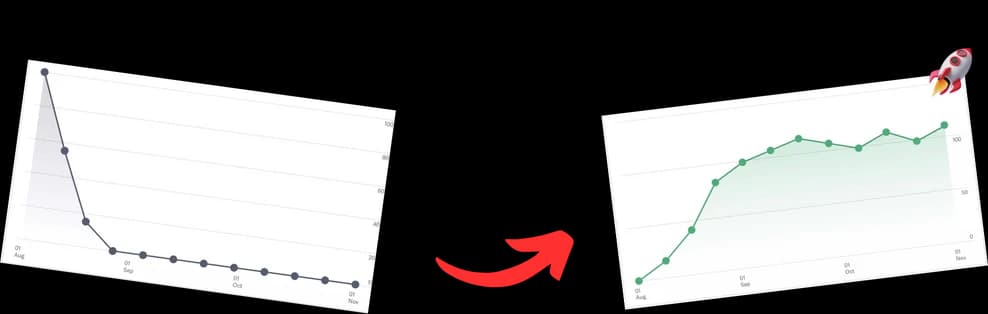
You’ve probably asked some version of this already: how do i become a youtube partner if my channel is growing, but not fast enough to feel real yet? You’re posting, checking analytics too often, and doing the math in your head after every upload. One decent video moves your subscriber count. Then watch time stalls.
That’s the part most official guides skip. Getting into the YouTube Partner Program isn’t just about knowing the requirements. It’s about building a channel that reaches those thresholds on purpose. If you treat monetization as the outcome of better content structure, smarter topic selection, and cleaner channel setup, the process gets a lot less random.
I’ve seen the same pattern across monetized channels in tutorials, education, commentary, and podcasts. The creators who get approved fastest usually aren’t chasing tricks. They pick a content format that can compound, they make videos that are easy to follow, and they remove the avoidable mistakes that slow down approval.
Understanding the YouTube Partner Program Eligibility Tiers
A channel can feel close to monetization and still be targeting the wrong milestone.
That happens a lot with creators who are watching subscriber count climb while their watch hours lag behind. They start planning around ad revenue before they qualify for the first level of YPP access. The better approach is to separate the program into two tiers and build for the one directly in front of you.

The two tiers at a glance
| Tier | What you need | What it provides access to |
|---|---|---|
| Foundational tier | 500 subscribers, 3 valid public uploads in the last 90 days, and either 3,000 valid public watch hours in the past 12 months or 3 million valid public Shorts views in the last 90 days, according to Backstage’s YPP requirements guide | Early fan funding features such as Channel Memberships, Super Chats, and shopping |
| Full monetization | 1,000 subscribers and 4,000 watch hours or 10 million Shorts views | Full ad revenue eligibility |
The practical difference is simple. The first tier lets you start earning from the audience you already have. Full monetization adds ads, which is what many creators fixate on too early.
On smaller channels, that fixation causes bad decisions. I have seen creators chase broad, low-retention topics for views because they want ad eligibility fast, then slow down their progress because those videos do not build enough watch time or returning viewers. A tighter strategy usually gets to the first threshold faster and sets up the second one better.
What creators often miss about these thresholds
YPP is not one approval point. It is a progression.
If you are below 500 subscribers, your job is to publish qualifying content consistently and build enough watch time or Shorts views to reach the first tier. If you are between the two tiers, the job changes. Now the focus is scaling what already holds attention well enough to carry you toward full monetization.
That distinction matters because the content plan is not identical at both stages. A channel can reach the foundational tier with a smaller catalog of focused videos. Reaching ad revenue eligibility usually takes a stronger library, clearer viewer intent, and better session depth across multiple uploads.
A lot of creators also ignore the setup requirements until the last minute. You still need YPP availability in your country, no active Community Guidelines strikes, 2-step verification turned on, and an AdSense account ready when it is time to apply. Those details are easy to postpone and annoying to fix after you hit the metrics.
Choose the path that matches how your channel actually grows
YouTube gives you two routes. Long-form can qualify you through watch hours. Shorts can qualify you through short-form view volume.
For tutorials, education, commentary, reviews, podcasts, and interviews, long-form usually gives you a cleaner path because each strong video keeps contributing to watch time after publish day. It also gives you more room to structure videos for retention, which matters if your goal is eligibility as quickly as possible. If you want a separate breakdown of the Shorts route, this guide to YouTube Shorts monetization requirements explains that path clearly.
Subscribers matter, but they are only one part of the equation. This breakdown of how many YouTube subs you need to make money is useful if you want the bigger monetization picture. For YPP, the main question is whether your channel is generating the right combination of audience trust, recent activity, and either watch hours or Shorts views.
That is why experienced creators treat eligibility as a content design problem, not just a numbers problem. The channels that get there faster usually make videos built to hold attention, create repeat viewing, and turn one strong topic into a series instead of a one-off hit.
Your Strategic Roadmap to Meeting the Thresholds
Most channels don’t miss YPP because the creator lacks effort. They miss because the channel has no system.
Uploading more random videos usually doesn’t solve a watch time problem. You need videos that pull viewers into a session, satisfy the title quickly, and make the next click easy. That’s the work.

Start with the metric that actually matters
If you’re aiming through long-form, your growth problem is rarely “I need more videos.” It’s usually one of these:
- Weak topic targeting that brings the wrong viewer
- Slow openings that lose people before the video starts delivering
- No session strategy so one view stays one view
- Poor structure in longer videos, especially tutorials and podcasts
The fastest improvement usually comes from auditing your existing catalog. Open YouTube Analytics and look for videos that hold attention better than the rest, not just videos with the most views. A smaller video that keeps people watching often teaches you more than your most-clicked upload.
Here’s what usually works:
- Repeat winning topic families: If one tutorial angle, format, or audience problem clearly performs better, make more of that before experimenting wide.
- Build series, not isolated uploads: Viewers are more likely to continue when the next video feels like a logical step.
- Front-load the payoff: Don’t spend the first minute warming up. State the problem, show the result, then teach.
- Cut “creator throat-clearing”: Long intros, over-explaining your backstory, and generic channel branding cost watch time.
What doesn’t work is posting in five directions at once and hoping the algorithm figures out your channel before you do.
Most channels don’t have a discovery problem first. They have a satisfaction problem first.
Structure videos so people stay
Smaller creators frequently leave a lot on the table. If your videos run longer than a quick update, they need a map.
Chapters help because they reduce viewer friction. A tutorial with clear timestamps feels easier to commit to. A podcast with labeled sections becomes searchable. An educational video with named segments lets viewers jump forward without abandoning the video entirely.
That matters for watch time because “easy to find your way through” often beats “perfectly linear.” People don’t always want to watch every second in order. They want confidence that the answer they need is inside the video.
A practical structure for watch-time-friendly long-form content looks like this:
-
Open on the promise Tell viewers what they’ll get and who it’s for.
-
Deliver one useful point fast Give them a reason to trust the rest of the video.
-
Break the content into named sections Tutorials, comparisons, workflows, mistakes, examples. Anything clear enough to chapter.
-
Create internal momentum End one section by naturally pointing to the next question.
-
Close with the next video in mind Don’t end like the session is over.
If you’re publishing tutorials, podcasts, or educational content regularly, chaptering is one of the simplest workflow upgrades you can make. Tools like TimeSkip’s YouTube watch time calculator help you estimate the pace you need, and TimeSkip itself can generate YouTube chapters so you don’t have to timestamp long videos manually.
Build for compounding, not spikes
A monetization-focused channel needs a content mix that can keep earning watch time after publish day. That usually means searchable, useful, or revisitable videos.
Think in three buckets:
| Content type | Why it helps YPP |
|---|---|
| Search-driven tutorials | They can keep collecting watch time long after upload |
| Series content | They create follow-up viewing and stronger session depth |
| Audience questions turned into videos | They align closely with what people already want |
This is also why random trend-chasing burns out many small creators. It can produce occasional surges, but it rarely builds a dependable path to eligibility unless your whole channel is built around speed and volume.
A good example of content pacing and structure is this video format:
Watch how strong YouTube videos usually move. They don’t wander. Each section earns the next one.
A practical weekly rhythm
You don’t need a fancy publishing machine. You need repeatable output.
Try this operating rhythm:
- One primary format: Pick the video type most likely to build watch hours for your niche.
- One recurring audience promise: Solve the same class of problem often enough that viewers know why to subscribe.
- One review session each week: Check retention, click-through patterns, and where viewers drop.
- One improvement target at a time: Better hooks this month. Better chaptering next month. Better endings after that.
That’s how channels cross the threshold without feeling chaotic. The strategy isn’t glamorous. It’s clear positioning, strong video packaging, and structure that respects the viewer’s time.
The Application and AdSense Setup Process
Once you’ve reached eligibility, the work changes from growth to clean execution. At this point, creators make avoidable mistakes because they rush the admin side after spending months chasing the numbers.
The application happens inside YouTube Studio, usually through the Earn tab. You’ll see the monetization area become available when your channel is eligible.

What to do inside YouTube Studio
The flow is straightforward, but it helps to move slowly:
-
Open the Earn tab On this tab, YouTube shows your status and application steps.
-
Review and accept the terms Read them. Don’t just click through because you’re excited.
-
Set up or link AdSense This is the step that trips people up most often.
-
Submit for review After that, YouTube reviews the channel.
If you want a quick pre-check before applying, TimeSkip’s YouTube monetization checker is useful for verifying the main eligibility checkpoints in one place.
The AdSense part that causes delays
Creators often create account confusion here. The basic rule is simple. Keep your identity and payout setup clean and consistent.
Common problems include:
- Using the wrong Google account: Make sure the account tied to your channel is the one you intend to use for monetization.
- Starting a second AdSense setup by accident: If you already have one, don’t create duplicate confusion.
- Mismatched personal details: Names and account details should line up properly.
Checklist mindset: Before you submit, confirm your 2-step verification is on, your channel has no active strikes, and your payment setup is ready.
The biggest practical tip here is boring but important. Don’t wait until your channel qualifies to think about AdSense. Set expectations early, know which Google account you’re using, and keep your channel ownership organized if multiple people touch the brand.
What the timeline feels like
After submission, there’s usually a waiting period while YouTube reviews the channel. Don’t overhaul your whole channel in panic mode during that window unless you discover a real policy issue. Most delays come from account setup mistakes, content policy problems, or channels with unclear ownership and reused material.
Navigating the YouTube Review and Common Rejections
The review stage feels mysterious because a real person is looking at your channel, not just a dashboard. That person is trying to answer one question: does this channel fit YouTube’s monetization policies as an original, compliant creator business?
They won’t judge only your best upload. They’ll likely look at your overall theme, your newest videos, your most-viewed videos, and the way you package your content.

What reviewers are really checking
A lot of creators assume approval is just about copyright strikes. It’s broader than that.
Reviewers look for signs that the channel adds original value and presents itself authentically. That includes:
- Originality of the content
- Consistency of the channel’s purpose
- Whether thumbnails, titles, and descriptions match the actual video
- Whether the content feels reused, repetitive, or mechanically assembled
If your channel feels like a real creator-led publication with a clear voice, you’re in better shape. If it feels like stitched-together borrowed material with generic packaging, the review gets harder.
The rejection creators run into most
The most common problem area is reused content. In practice, that usually means the channel relies too heavily on material that doesn’t feel transformed enough.
Examples include:
- clips compiled from other sources with minimal commentary
- public footage repackaged with basic edits
- low-effort reposting, even if the editing took time
- channels where the creator’s contribution is hard to identify
There’s also repetitious content, which is different. This can happen when the channel pumps out near-identical videos with only slight variations and very little new value.
Then there’s misleading metadata. If your thumbnail promises one thing and the video delivers another, or if your title overstates what the content contains, that creates risk. You may get clicks, but you also create a trust problem during review.
Working rule: If a reviewer can’t quickly explain what value you add, fix that before you apply again.
How to fix a weak application
If your channel gets denied, don’t treat it as random punishment. Treat it as a diagnosis.
Use this kind of cleanup pass:
| Problem | Fix |
|---|---|
| Channel feels mixed or unfocused | Tighten your niche and remove uploads that confuse the channel’s identity |
| Too much borrowed or lightly edited material | Add stronger on-camera presence, original narration, clear analysis, or replace the content entirely |
| Misleading titles or thumbnails | Rewrite and redesign so the packaging matches the viewer experience |
| Videos feel repetitive | Raise the value per upload with new examples, better teaching, or clearer differentiation |
You also need patience here. If your application is rejected, give yourself time to make meaningful changes before trying again. Don’t just swap thumbnails and hope that counts as a channel transformation.
One more thing creators underestimate: channel cleanliness. Old uploads that don’t match your current content model can hurt you if they dominate your most-viewed tab or make the channel look inconsistent.
Answering Your Top YPP Questions
Do deleted or private videos affect watch hours
Yes, they can. If a video is no longer public, you should assume it won’t keep helping your public watch-hour progress. That’s why deleting older long-form videos just because they look “off brand” can backfire if they still contribute meaningful viewing time.
Do Shorts watch hours count toward the long-form watch-hour threshold
No. The long-form watch-hour route and the Shorts views route are separate qualification paths. If your strategy depends on reaching the watch-hour requirement, focus on public long-form videos that are designed to hold attention.
Should I focus on subscribers first or watch time first
Watch time usually deserves more attention because it forces better content habits. Subscriber growth often follows videos that satisfy viewers well. Chasing subscribers directly can lead to gimmicks. Chasing useful, watchable videos usually builds both.
Can I apply the moment I qualify
Yes, but only if the channel is clean. If you just hit the threshold and already know parts of the channel may raise policy issues, fix those first. It’s better to apply a little later with a stronger application than to rush into a rejection.
If I get rejected, should I appeal immediately
Only if you’re sure the decision was wrong and you can clearly explain why. Most creators are better served by improving the channel, especially if the likely issue is reused content or misleading packaging.
What kind of content gets approved most smoothly
Original content with a clear creator role. Tutorials, education, commentary, reviews, interviews, podcasts, and explainers can all work well if the value is obvious and the channel doesn’t rely on borrowed material to do the heavy lifting.
What’s the simplest path if I feel stuck
Pick one content format, publish consistently, and improve video structure before you increase volume. For most channels, clearer titles, stronger openings, and better chaptering do more for monetization progress than posting more often without a plan.
If you’re building toward YPP with long-form videos, TimeSkip is worth a look. It helps generate YouTube chapters for longer uploads, which can make tutorials, podcasts, and educational videos easier to move through and easier to structure around retention. If your bottleneck is turning good raw footage into watch-time-friendly videos, that’s a practical place to tighten the workflow.