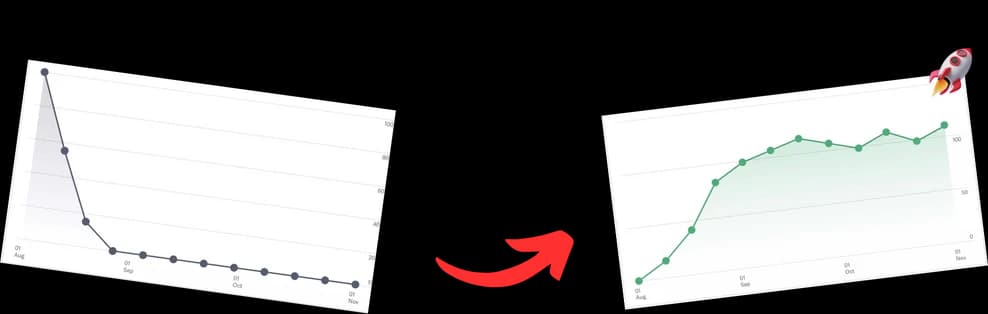
You’ve hit the same point most creators hit. The views are coming in, a few videos are doing better than expected, and now the question changes from “How do I grow?” to how to monetize your youtube video without wasting months on the wrong moves.
The mistake I see most often is treating monetization like a switch. It is not. YouTube pays creators through a system, and that system rewards channels that hold attention, organize content well, and build revenue from more than one source. Ads matter, but the creators who earn consistently do three things well: they qualify cleanly, they optimize each upload for retention, and they stop relying on ads alone.
That last part matters more than many guides admit. Plenty of channels get monetized and still make very little because the videos are not built to hold viewers. Others earn sooner because the structure of the content is strong. Chapters, pacing, topic selection, and analytics work all affect revenue more than most beginners realize.
Qualifying for the YouTube Partner Program
A channel can feel close to monetization for months without reaching qualification. You might have a few strong uploads, rising subscribers, and decent traffic, but YPP approval still comes down to whether your channel consistently holds attention.
To join the YouTube Partner Program, your channel needs 1,000 subscribers and either 4,000 hours of watch time in the last 12 months or 10 million valid public Shorts views in the last 90 days, according to YouTube Help.

Those thresholds look straightforward. Reaching them is a retention problem, not a publishing problem.
Choose the qualification path that fits your format
Creators qualify through one of two patterns:
| Path | Best for | What it demands |
|---|---|---|
| Watch hours | Tutorials, commentary, education, reviews, interviews | Videos that keep viewers watching for meaningful stretches |
| Shorts views | Clip-based channels, trend formats, highly shareable concepts | High volume, strong replay, and fast audience response |
If your strength is long-form teaching or commentary, the watch-hour path is better. It trains the exact skill that increases ad revenue later. Viewer retention.
If your channel is built for Shorts, that path can work. The trade-off is that Shorts reach does not always translate into strong long-form viewing habits, and long-form viewing is what makes monetization more stable once ads are turned on.
Early access features matter, but retention matters more
YouTube also offers an earlier entry point with fan-funding features for eligible channels that meet lower requirements, as outlined in YouTube's monetization policies.
That helps, but the bigger win is using the pre-YPP phase to improve how people move through your videos. Better structure raises watch time, helps channels qualify faster, and sets up stronger RPM once ads are live.
I have seen creators obsess over thumbnails and ignore much of the video's content. That is expensive. If viewers drop early, your watch hours grow slowly, your strongest topics underperform, and your best videos make less later than they should.
One practical fix is better segmentation. Clear chapters make long videos easier to follow, and AI-generated chapters can help viewers stay oriented instead of bouncing because the video feels messy. Tools like TimeSkip support that workflow. Used well, chapters are not just an SEO detail. They improve retention, which helps both YPP qualification and revenue potential.
For a closer breakdown of subscriber milestones and what unlocks when, this guide on how many YouTube subs to make money is useful.
What moves channels over the line
Channels qualify faster when they make a few disciplined choices.
-
Commit to one repeatable format A repeatable format lets you improve faster because each upload teaches you something useful about the next one.
-
Serve the same viewer on every upload Mixed-topic channels make it harder to build returning viewers, and returning viewers push watch hours up.
-
Prioritize videos that keep collecting watch time Evergreen tutorials, problem-solving content, and searchable explainers do more for eligibility than novelty spikes.
-
Tighten structure before increasing output More uploads help only if the videos hold attention. A well-structured video does more for monetization than three rushed uploads.
-
Turn successful topics into a series One strong video can lead to a follow-up, a comparison, an update, and supporting Shorts. That is how channels stack watch time efficiently.
What I would do at this stage
I would stop treating subscriber count as the main target. Subscribers matter, but watch behavior gets channels approved and paid.
Focus on videos with clear intent. Solve one problem per upload. Cut weak intros. Add chapters where the topic shifts. Review audience retention after every post and fix the drop points in the next video.
That approach gets channels to YPP faster than chasing random spikes. It also builds the kind of library that earns once monetization is active.
Activating Your Earnings with the YPP Application
Many creators hit eligibility, apply in a hurry, and then leave money sitting idle for days or weeks. The bottleneck is rarely the button click itself. It is the setup work around it.

Open YouTube Studio, go to Monetization, and complete the application in order. Accept the YPP terms, connect AdSense, submit for review, then turn monetization on at the video level once your channel is approved.
That last step trips people up.
Approval gives you access to monetization tools. It does not switch every video into its best earning state by default, and it does not fix weak monetization settings on older uploads.
Handle the setup before you apply
Clean admin work saves real time here. Use a Google account you plan to keep long term. Make sure your legal name, country, and payment details match across the accounts involved. If your setup is split across old emails, brand logins, or someone else’s AdSense account, sort that out first.
I have seen creators reach the threshold, rush the application, then spend more time fixing account confusion than they spent getting eligible.
Review your back catalog too. Older uploads are where problems hide. Reused footage, copyrighted clips, misleading metadata, or videos that sit close to advertiser-unfriendly topics can create friction during review.
Mistakes that slow earnings after approval
The first mistake is assuming approval means revenue is already optimized. It is not.
The second is forgetting to enable monetization on existing videos. A channel can get approved while several strong uploads remain unmonetized because no one checked the toggles.
The third is treating ad settings as administrative cleanup instead of revenue strategy. That is a costly miss, especially if your best videos already have strong watch time.
This is also where structure starts affecting earnings in a direct way. Better retention gives YouTube more room to serve ads without cutting the session short. If you use AI-generated chapters through TimeSkip or manually tighten chapter flow, that can help viewers find their place, stay longer, and push more watch hours through monetized content. On channels close to the threshold, that same structural cleanup can also help reach YPP sooner.
Set ad preferences with intent
Open each approved video and choose ad formats based on the role that video plays on your channel.
A practical way to handle it looks like this:
- Evergreen tutorials and explainers: turn on the monetization options that fit the video length and viewer intent
- Trust-building videos: keep the ad load lighter if aggressive monetization would hurt credibility
- Long tutorials, interviews, and podcasts: place mid-rolls around clean topic transitions, not in the middle of a key explanation
- High-retention library content: audit these first, because one missed setting on a strong video can cost more than ten low-view uploads combined
If you want a better handle on what those settings mean financially, review this guide on how to compute RPM for YouTube videos.
Revenue trade-offs matter here. More ads can raise short-term earnings, but clumsy mid-roll placement can hurt viewer satisfaction, retention, and repeat viewing. On some channels, especially education channels, I would rather protect a high-retention video than squeeze one extra ad break into it.
For creators working on the business side of channel growth, these advanced YouTube growth strategies pair well with a cleaner monetization setup.
If you want a visual walkthrough before you apply, this explainer is worth watching.
Keep your channel review-ready after acceptance
Getting approved is not the finish line. It is the point where small operational mistakes start showing up in revenue.
Keep your archive clean. Check monetization settings after each upload. Stay conservative with copyrighted material. If a video underperforms on retention, fix the structure before you assume the RPM is the problem.
That habit matters because monetization is not just an application status. It is a system. Channels that keep videos organized, viewer-friendly, and easy for YouTube to understand earn more from the same catalog.
Optimizing Each Video for Maximum Ad Revenue
A video can hit 50,000 views and still under-earn if people leave in the first minute, skip around, or never reach the sections where ads fit. I have seen that happen on otherwise strong topics. The revenue problem was not the niche. It was the structure.

Retention drives ad revenue
Creators who want higher earnings start by checking CPM or adding more mid-rolls. The bigger win comes earlier. Keep viewers engaged longer, and the monetization system has more chances to work.
That affects three things at once. Viewers watch far enough to see more ad opportunities. The video is more likely to keep getting recommended. The session itself gets stronger, which helps the whole channel, not just one upload.
That is why I treat structure as a revenue tool.
Build videos that hold attention long enough to monetize well
High-earning videos share a few traits:
-
A clear promise in the first moments The viewer should know what problem the video will solve.
-
Fast delivery Long scene-setting hurts retention unless the audience already knows and trusts you.
-
Obvious structure People stay longer when they can see the path from start to finish.
-
Natural transition points Clean section breaks make ad placement less disruptive.
-
Accurate packaging Titles and thumbnails need to match the actual payoff. If the click is misleading, viewers leave before the video gains momentum.
For creators working on retention and discoverability together, these advanced YouTube growth strategies pair well with a stronger monetization setup.
Chapters affect revenue more than creators expect
A lot of monetization advice treats chapters as a search feature. On long-form videos, they are also a retention feature, and retention is what creates room for more stable ad revenue.
Here is the practical trade-off:
| Approach | Short-term effect | Long-term effect |
|---|---|---|
| Add more ad breaks to a weakly structured video | May lift revenue briefly | Often increases drop-off and hurts repeat viewing |
| Improve pacing, add clear chapters, and place ads at transitions | Takes more effort before publish | Supports longer watch time, cleaner ad delivery, and better recommendation potential |
If viewers cannot tell where the video is going, they scrub. If they scrub enough, they leave. Chapters reduce that friction and make long videos easier to commit to.
That matters for monetization in a direct way. Better structure can help a video hold watch time, qualify for more mid-roll opportunities on longer uploads, and improve the odds that a growing channel reaches YPP thresholds faster.
Use chapters as part of the revenue system
Chapters help in three practical ways.
They make the video easier to search and understand
A well-structured video gives YouTube clearer context about what each section covers. That can help the platform match the upload to more specific search intent.
They reduce abandonment
A viewer who can jump to the right section often stays on the video instead of leaving to find another creator who organized the topic better.
They create better ad insertion points
This is the part many channels miss. If your sections are clearly defined, ad breaks can sit between ideas instead of interrupting the middle of a demonstration, story, or explanation.
One option for this is TimeSkip, which automates SEO-focused chapter creation for YouTube videos. For creators who want to connect retention improvements with revenue, this guide on how to compute RPM for YouTube videos helps measure whether structural changes increase earnings.
Tip: If adding chapters makes the video look messy or repetitive, the script needs work. Chapters reveal structural problems fast. Fix the sequence, tighten the transitions, and then label the sections.
What to optimize before publishing
Before worrying about post-publish monetization tweaks, tighten the parts that affect watch time first:
-
Topic intent Choose subjects with clear demand, buying intent, or repeat viewing potential.
-
Length that matches the promise Longer videos can earn more, but only when the topic supports the runtime. Padding lowers retention.
-
Section design Build natural breakpoints into the script so chapters and ad placements feel earned.
-
Title and thumbnail alignment Curiosity helps the click. Accuracy keeps the viewer watching.
-
Metadata clarity Use straightforward language in the title, description, and chapters so YouTube can classify the video correctly.
What usually hurts revenue
I see the same mistakes over and over.
Pushing a video past a length target without enough substance creates dead time. Packing mid-rolls into a video with weak retention gives viewers more reasons to leave. Skipping chapters on long educational or tutorial content makes the experience harder to follow. Broad topics with vague packaging bring in low-intent traffic that does not stay.
A smaller catalog of well-structured videos earns more reliably than a larger catalog of loose, repetitive uploads. On YouTube, better organization is not a cosmetic upgrade. It is part of the monetization strategy.
Expanding Your Income Beyond YouTube Ads
A channel can hit monetization, turn ads on, and still feel financially shaky a month later. I have seen that happen when revenue depends on RPM alone. One weak ad quarter, one policy limitation, or one audience shift can cut earnings fast.
The safer play is to treat each video as a revenue asset with more than one job. It should earn from ads, help qualify better sponsor deals, create natural affiliate clicks, and build enough loyalty for direct support. Strong structure matters here too. Videos that keep people watching are easier to monetize in every direction, not just through AdSense. Clean pacing, useful chapters, and better retention make sponsor segments more watchable, affiliate recommendations more believable, and repeat viewing more likely. If you want a better read on which retention patterns support revenue, review these YouTube analytics metrics that matter for monetization.
Sponsorships work when the audience fit is easy to explain
Sponsors do not pay for views in isolation. They pay for access to a defined buyer.
Channels that attract sponsor interest have a clear topic, a repeatable format, and viewers who trust the creator’s recommendations. A finance channel that talks to new investors, a creator tools channel aimed at editors, or a local relocation channel serving people about to move gives a brand something concrete to buy into. That clarity also makes pricing and outreach easier.
If you need a practical framework for outreach, rates, and positioning, Zanfia’s guide on securing YouTube sponsorships is a solid companion resource.
The trade-off is straightforward. The better the brand fit, the easier it is to keep trust high. Forced integrations hurt watch time and comment sentiment, which lowers the value of the next deal.
Affiliate revenue works best inside the video’s existing intent
Affiliate links produce meaningful income when the product completes the task the viewer showed up to solve.
A tutorial can link the software used on screen. A camera comparison can link the gear in the description and pinned comment. A local information channel can recommend moving tools, neighborhood data services, or booking platforms tied to that exact search intent. In each case, the offer belongs there.
I have found that affiliate sales rise when the mention feels like documentation. Show the tool, explain why it was used, and place the link where viewers expect it. Hard selling does the opposite. People click less when the recommendation feels inserted for commission.
Memberships and direct support depend on repeat trust
Views alone do not make memberships work. Return behavior does.
Channels with regular viewers, active comments, and a recognizable creator voice have more membership potential than larger channels built on one-off search traffic. Educational creators, niche commentators, and podcasters do well here because the audience comes back for the creator’s judgment, not just a single answer.
Perks need to stay close to the main content. Early access, bonus breakdowns, private Q&As, templates, or members-only livestreams make more sense than random extras. If the benefit feels disconnected from the channel, retention inside the membership drops fast.
Focused niches monetize better than broad ones
Some of the highest-quality monetization opportunities come from narrow audiences with clear intent. Hyper-local channels are a good example. A video for someone researching a move, comparing neighborhoods, or trying to understand a local cost issue attracts a viewer who is close to a decision. That kind of audience is useful for sponsors, affiliates, and service offers.
Broad entertainment topics can still make serious money, but they require more scale and stronger competition tolerance. Narrow channels get to revenue faster because the viewer problem is specific and the offer can match it closely.
Build a revenue stack that matches the channel
A practical income mix looks like this:
| Revenue stream | Best use case | Main risk |
|---|---|---|
| Ads | Evergreen videos with steady traffic | Earnings fluctuate with RPM and ad demand |
| Sponsorships | Channels with a defined audience and consistent theme | Poor fit weakens trust |
| Affiliate offers | Videos tied to tools, products, or purchase decisions | Weak alignment leads to low conversion |
| Memberships | Loyal audiences that return for the creator | Perks require ongoing delivery |
The goal is not to add every revenue stream at once. Add the one your audience already supports. Ads monetize attention. Affiliates monetize active problem-solving. Sponsorships monetize audience fit. Memberships monetize trust. That mix is steadier, and it gives each video more ways to pay for itself.
Using Analytics to Intelligently Grow Your Revenue
A video can pull solid views and still underperform as a business asset. I have seen uploads with weaker click volume earn more because viewers stayed longer, reached more ad slots, and kept watching into the parts of the video that mattered. That is why revenue analysis starts after the click.
YouTube Studio becomes useful once you stop checking it for validation and start using it to make format decisions.

Start with RPM, then trace the cause
RPM is the fastest way to see which videos monetize well after YouTube takes its share. It is more useful than raw views if your goal is revenue growth.
A higher RPM comes from a mix of factors, not one magic fix. Topic matters. Viewer geography matters. Video length matters. Retention matters a lot. Ad suitability and traffic source matter too.
Treat RPM like an outcome metric. If one video earns more per thousand views, inspect what made that happen:
- Topic and intent: Did the video attract viewers who were solving a specific problem?
- Audience location: Did it pull more traffic from countries with stronger advertiser demand?
- Video structure: Did viewers stay long enough to reach additional ad opportunities?
- Retention curve: Did the video avoid the usual drop-offs?
- Traffic source: Did search or suggested traffic bring in better viewers than browse?
- Ad suitability: Did the subject stay friendly to advertisers?
That review is where revenue gains come from.
Retention drives monetization more than creators admit
Retention is not just an editing metric. It is part of the monetization system. Stronger retention means more watch time, more opportunities to serve ads, better recommendation performance, and faster progress toward YPP eligibility if you are still building toward the threshold.
This is also where structural optimization stops being an SEO extra and starts affecting earnings directly. Clear chapters help viewers find the section they need, but they also improve the viewing experience inside the video. Better navigation reduces frustration, gives the content a cleaner shape, and lifts retention in practical ways. On long videos, I have found that useful chapters can be the difference between a video that feels heavy and one that feels easy to watch.
AI-generated chapter tools such as TimeSkip are useful here because they make that structure faster to apply consistently. If a viewer can follow the video with greater ease, revenue improves for the reason that more of the video gets watched.
Read the retention graph like an earnings report
Certain patterns show up repeatedly:
-
Sharp drop at the start The opening took too long, missed the promise of the title, or led with context the viewer did not need yet.
-
Dip after a transition The next segment felt like filler, repetition, or a detour from the main reason the person clicked.
-
Spike around one chapter or segment That section has standalone demand. It may deserve its own video, or it may need to appear earlier next time.
-
Stable middle section The format is working. Keep the pacing, sequencing, and level of detail close to that model.
For a practical walkthrough of these reports, see this guide to YouTube analytics explained.
Tip: A lower-view video with stronger retention and RPM can outperform a higher-view upload that loses people early.
Use analytics to choose the next profitable format
After each upload, review the same five areas in the same order:
- Compare audience retention against your channel norm
- Check RPM by topic, format, and video length
- Review traffic sources to see where better viewers came from
- Inspect chapter-level interest and drop-off points
- Build the next upload around the strongest pattern
The chapter-level review matters more than many creators realize. If viewers repeatedly stay through one segment and leave during another, you do not need a full channel reinvention. You need a tighter structure. That is why AI-assisted chaptering is worth treating as a monetization tool. It helps you spot what held attention, organize future videos more clearly, and improve the parts of the viewing experience that raise revenue over time.
Make cuts based on earnings behavior
Weak formats reveal themselves before the revenue report looks bad across the whole channel. If tutorials keep people watching and commentary loses them halfway through, commit to more tutorials. If one format attracts broad curiosity clicks but weak RPM, reduce it. If viewers leave during a long branded intro, shorten it or remove it.
The creators who increase revenue steadily do not publish at random. They study what held attention, identify which structure produced the best monetization profile, and repeat that system.
Troubleshooting Common Monetization Roadblocks
Even well-run channels hit problems. The fix is faster when you diagnose the symptom correctly instead of changing five things at once.
Yellow icon or limited ads
Likely cause: The video contains sensitive topics, questionable wording, reused material, or something in the packaging that triggers ad-suitability concerns.
What to do:
- Review the title, thumbnail, and opening language first
- Check whether the subject matter is framed in a way advertisers may avoid
- If the video is clean, request a manual review when that option is available
- For future uploads, keep monetization-sensitive topics factual and restrained
RPM drops suddenly
Likely cause: The audience mix changed, the topic pulled in lower-value traffic, retention got worse, or the newer video monetizes less efficiently.
What to do:
- Compare the traffic source against your stronger videos
- Check whether viewers are leaving earlier than usual
- Review whether the topic is attracting broad curiosity instead of strong intent
- Look at recent uploads as a group, not one video in isolation
Ads are enabled but earnings stay weak
Likely cause: The video gets clicks without holding attention, or the structure gives viewers too many reasons to leave before the video matures.
What to do:
- Tighten the intro
- Remove filler sections
- Improve navigation with clearer segments
- Match the title more closely to what the video delivers
YPP application takes longer than expected
Likely cause: Review volume, account issues, or content that needs closer examination.
What to do:
- Confirm your account details are complete
- Recheck older uploads for obvious policy risk
- Avoid changing everything at once during review
- Be patient, but stay organized so you can act quickly if YouTube requests something
A monetized video underperforms despite good views
Likely cause: Views alone are masking weak monetization quality.
What to do:
- Compare retention, not just traffic
- Look at how long viewers stay
- Study whether the topic attracts the right audience for your channel
- Decide whether this is a good view generator, a good revenue generator, or both
The fix for most monetization issues is rarely “add more ads.” It is better targeting, cleaner structure, and a sharper read of why the audience behaved the way it did.
If you want a faster way to improve the structure of long-form videos, TimeSkip helps generate SEO-focused YouTube chapters so viewers can follow your content more easily. For creators working on retention, discoverability, and long videos that need cleaner organization, that can make monetization optimization more practical.