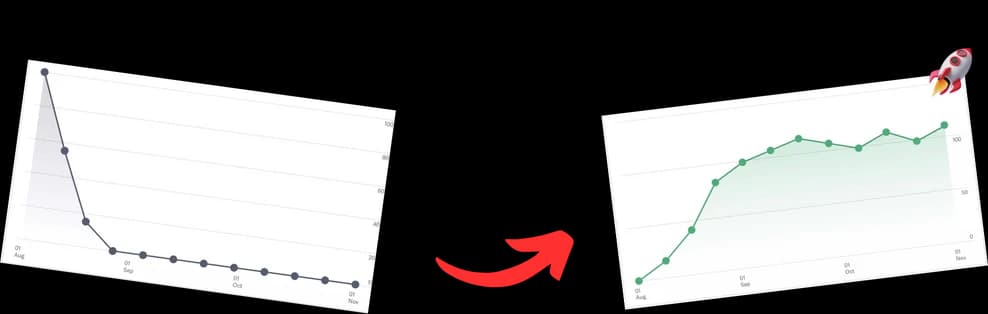
Every successful YouTube creator knows that discoverability isn't just about making great videos; it's about connecting with what viewers are actively seeking. The ecosystem of top keyword searches on YouTube is dynamic, influenced by emerging trends, shifting audience behaviors, and critical platform updates. Gaining a competitive edge requires looking past basic keyword lists and understanding the intent and context behind every search query. Why are people searching for these terms, and how can you position your content to be the definitive answer?
This comprehensive guide is designed to provide that deeper insight. We will dissect 12 critical search categories, providing actionable blueprints that move beyond theory. You will learn how to apply advanced YouTube SEO principles, optimize video descriptions for maximum impact, and structure long-form content with precise chapters and timestamps to improve user experience and retention. We'll explore the nuances of the YouTube algorithm, a crucial element for boosting organic reach and achieving sustainable channel growth.
The strategies outlined here are not just about finding popular terms. They are about building a content framework that systematically addresses high-volume queries, turning search traffic into a loyal, engaged subscriber base. By implementing these specific, data-driven techniques, you can significantly enhance your channel's visibility and authority, ensuring your videos don't just get found but also get watched. This article provides the strategic framework to transform audience searches into measurable results.
1. YouTube SEO
"YouTube SEO" is the practice of strategically optimizing your videos, playlists, and channel to rank higher in YouTube's search results. While it’s not a single keyword, it represents the foundational process creators use to target all top keyword searches on YouTube. This involves a comprehensive approach, from keyword research and title crafting to description formatting and tag implementation. Effective SEO ensures your content is discovered by the right audience when they search for relevant topics.
Successful implementation is seen everywhere, from MrBeast using curiosity-driven titles with numbers to MKBHD employing precise video chapters that dominate tech review searches. These chapters act as mini-SEO opportunities, allowing specific video segments to rank for long-tail keywords. Beyond keywords and tags, leveraging transcription tools to convert YouTube to text to enhance SEO can significantly boost your video's discoverability on the platform by creating a detailed, crawlable transcript for search algorithms.
Actionable Optimization Tips
- Front-Load Keywords: Place your primary keyword within the first few words of your video title and the first 25 words of the description.
- Generate Strategic Chapters: For videos longer than 10 minutes, use tools like TimeSkip to create detailed, keyword-rich chapters. This helps YouTube understand your content's structure and improves user experience.
- Optimize Your Description: Write a detailed description of at least 200 words. Include your primary keyword 2-3 times and add secondary, related keywords throughout the text.
- Monitor and Adapt: Regularly check your video's performance in YouTube Analytics and Google Search Console to see which keywords are driving traffic, and update your metadata accordingly.
2. YouTube Chapters
YouTube chapters are clickable timestamps that break long-form videos into structured, navigable sections. This feature fundamentally transforms the viewing experience by allowing users to jump directly to parts that interest them most, significantly improving user retention. From a search engine perspective, each chapter acts as a micro-video, providing YouTube's algorithm with distinct, keyword-rich segments. This allows a single video to rank for multiple top keyword searches on YouTube by targeting various long-tail queries within its different sections.
The power of chapters is evident in long-form content like the Joe Rogan Experience, where 3+ hour episodes are made accessible through segmented topics, or in TED-Ed videos that use precise breakdowns to enhance educational value. Many podcast channels have reported engagement increases of over 20% after implementing detailed chapters. This feature is no longer a "nice-to-have" but an essential optimization tool for tutorials, reviews, podcasts, and any content covering multiple sub-topics.
Actionable Optimization Tips
- Use AI for Efficiency: Leverage tools like TimeSkip to instantly generate accurate, AI-powered chapter titles and timestamps directly from your video's content, saving hours of manual work.
- Embed Keywords in Titles: Treat each chapter title as a mini video title. Include primary and secondary keywords to help each section rank independently in search results.
- Create Natural Breaks: Place your chapters at logical transition points in your content. This ensures a seamless viewing experience and improves user satisfaction.
- Keep Titles Concise: Aim for chapter titles that are descriptive but short, ideally between 3-5 words, to keep the video progress bar clean and easy to read.
3. YouTube Keywords and Tags
"YouTube keywords and tags" are essential metadata that help the algorithm understand and categorize your content. Keywords are the search terms you strategically place in your video's title, description, and chapters. Tags are specific, back-end labels that further signal relevance. Proper use of both is critical for appearing in search results and recommended video feeds, making them a cornerstone for any creator analyzing top keyword searches on YouTube.
Effective implementation involves balancing broad terms with specific long-tail keywords. For instance, a creator targeting "beginner piano lessons for adults" will attract a more qualified audience than one using the generic term "piano lessons." This precision reduces competition and improves viewer satisfaction. Similarly, a DIY channel will rank better by using variations like "how to build a bookshelf" and "DIY bookshelf tutorial" across their metadata. To learn more about this foundational element, you can explore a detailed guide to keywords on YouTube.
Actionable Optimization Tips
- Prioritize Keyword Placement: Put your main keyword within the first 25 characters of your video title and repeat it in the first sentence of your description.
- Balance Your Keywords: Use a mix of broad keywords for general reach and specific, long-tail keywords to capture highly targeted search traffic.
- Optimize Your Tag Section: Include 5-8 highly relevant tags, placing your most important keywords first. Include brand-specific tags to help viewers find more of your content.
- Leverage Keyword Tools: Use tools like TimeSkip's AI keyword research to identify high-volume, low-competition phrases and uncover hidden optimization opportunities within your video's content.
4. YouTube Video Timestamps
"YouTube Video Timestamps" are specific, clickable time markers placed in a video's description that break down long-form content into navigable chapters. This feature is not just for user convenience; it’s a powerful SEO tool that transforms a single video into multiple entry points for viewers. By labeling these timestamps with keywords, creators can enable individual video segments to rank for a variety of top keyword searches on YouTube, dramatically increasing discoverability. This is especially effective for dense content like podcasts, tutorials, and interviews.
Successful implementation is standard practice for long-form content creators. Podcasters often create over 20 timestamps for multi-hour episodes, allowing listeners to find specific topics. Similarly, educational channels use chapter timestamps to help students quickly reference key lessons. This strategy provides structured data that search engines use to surface your video's most relevant parts directly in search results, often as "key moments."
Actionable Optimization Tips
- Auto-Generate Timestamps: Use tools like TimeSkip to automatically generate dozens of accurate, keyword-optimized timestamps from your video’s audio. This saves hours of manual work and ensures precision.
- Format Correctly: Ensure timestamps in your description follow the HH:MM:SS or MM:SS format and start with 00:00. This is required for YouTube to recognize them as chapters.
- Use Keywords in Labels: Treat each timestamp label as a mini-title. Instead of "Topic 1," use a descriptive, keyword-rich phrase like "Best Camera Settings for Low Light."
- Monitor Chapter Performance: Check YouTube Analytics to see which chapters are most replayed. This insight helps you understand what content resonates most and can inform future topic choices.
5. YouTube Video Description Optimization
"YouTube Video Description Optimization" is the art of writing compelling, keyword-rich text that gives both viewers and algorithms critical context about your video. Far more than an afterthought, the description is a powerhouse for discovery, as its content is indexed by both YouTube and Google. A well-optimized description strategically places primary and secondary keywords to capitalize on the top keyword searches on YouTube, guiding the algorithm to rank your content accurately for relevant queries.
Successful creators master this space. Educational channels like Kurzgesagt use their descriptions to provide source links and further reading, establishing authority. Meanwhile, MrBeast’s team embeds clear calls-to-action and links to merchandise, turning views into revenue. For longer videos, integrating timestamps generated by tools like TimeSkip transforms the description into a navigational hub, with each chapter’s title acting as a long-tail keyword that can rank independently. For an in-depth guide, you can review some effective YouTube video description examples to see these strategies in action.
Actionable Optimization Tips
- Front-Load Your Keywords: Place your main target keyword within the first 25 words. This ensures it's visible in search results and immediately signals the video's topic.
- Integrate Timestamps as Navigation: Use TimeSkip-generated chapters to create a clickable table of contents. Name each chapter with a descriptive, keyword-focused title.
- Write for Humans and Robots: Craft a detailed, 200+ word description that naturally includes your primary keyword 2-3 times and adds related secondary keywords to provide deeper context.
- Add Relevant Hashtags: Include 3-5 relevant hashtags at the very end of your description to help YouTube categorize your content and surface it in related searches.
6. YouTube Viewer Retention and Watch Time
While not a direct search term, "YouTube Viewer Retention and Watch Time" are the ultimate goals behind optimizing for top keyword searches on YouTube. These metrics measure how long viewers stay engaged with your content, signaling its quality and relevance to the algorithm. YouTube's primary objective is to keep users on the platform, so it heavily promotes videos that demonstrate high retention and accumulate significant watch time. Achieving this is crucial for both ranking and monetization eligibility.

Successful creators master retention by structuring content effectively. For instance, podcast creators often see over 60% audience retention by using optimized chapters that allow listeners to navigate complex discussions easily. Similarly, educational channels improve engagement with clear topic markers that respect the viewer's time. A well-placed chapter structure can directly improve the average view duration by helping viewers find exactly what they need, which reduces bounce rates and signals a positive user experience to YouTube’s algorithm.
Actionable Optimization Tips
- Analyze Retention Graphs: Regularly review your YouTube Analytics retention graph to pinpoint exact moments where viewers drop off. Add pattern interrupts or re-edit these sections to maintain engagement.
- Structure for Engagement: Place your most valuable and engaging content 1-2 minutes into the video, after a compelling hook, to secure viewer commitment.
- Implement Strategic Chapters: Use chapters to allow viewers to skip directly to relevant sections. Tools like TimeSkip can analyze your content and automatically create optimized, keyword-rich chapters that improve navigation and SEO.
- Monitor and Test: Test different chapter strategies weekly and track how they impact your retention and watch time metrics. Adjust chapter placement based on performance data to continuously refine your approach.
7. Long-Form Video Content Creation
"Long-Form Video Content Creation" focuses on producing videos over 10 minutes, a format favored by YouTube's algorithm due to its potential for higher watch time. This category includes everything from in-depth podcasts and educational series to detailed commentary and analysis. The success of long-form content hinges on strategic organization to maintain viewer engagement and prevent abandonment. Without proper navigation, viewers can get lost, making features like chapters and timestamps critical for both user experience and discoverability.
This strategy is mastered by podcast giants like the Joe Rogan Experience, where 3-hour episodes are broken down into precise, searchable chapters. Similarly, educational channels use detailed timestamps for hour-long tutorials, allowing viewers to skip to the exact information they need. These chapters are crucial for ranking, as each one can target different top keyword searches on YouTube. By making content navigable, creators transform monolithic videos into a collection of discoverable micro-topics, maximizing their reach and serving audience intent more effectively.
Actionable Optimization Tips
- Structure for Engagement: Divide your content into logical 15-20 minute segments and create detailed chapter titles for each.
- Use Keyword-Rich Chapters: Craft chapter titles that include primary keywords relevant to that specific segment. This helps individual sections rank in search results.
- Front-Load Your Best Content: Place your most compelling information or hooks within the first few minutes to reduce early viewer drop-off.
- Leverage Automation for Efficiency: For extremely long content like podcasts, use tools such as TimeSkip to automatically generate accurate chapters for videos up to 4 hours long.
8. YouTube Algorithm, Organic Reach, and Content Ranking
Understanding the "YouTube Algorithm" is crucial for anyone targeting the top keyword searches on YouTube. This complex system analyzes metrics like watch time, click-through rate, and viewer retention to determine which videos to recommend. Organic reach, or visibility achieved without paid ads, is a direct result of how well your content aligns with these algorithmic signals. The algorithm rewards content that keeps viewers engaged and on the platform longer, making optimization essential for growth.
Success with the algorithm is demonstrated when channels climb search rankings for competitive terms within weeks of consistent optimization. For example, some creators see discovery rates increase by over 25% after implementing structured metadata like optimized chapters. These signals tell the algorithm precisely what a video is about, boosting its relevance. To truly succeed, creators must also understand how to optimize videos for YouTube by addressing technical specifications and audience engagement signals that the algorithm values.
Actionable Optimization Tips
- Signal Content Structure: Use tools like TimeSkip to create optimized, keyword-rich chapters. This provides the algorithm with a clear map of your content, helping it rank specific segments for long-tail queries.
- Monitor Ranking Performance: Check your YouTube Analytics weekly, focusing on Traffic Sources > YouTube Search. Identify which queries are driving views and which videos have a high click-through rate and retention.
- Analyze Competitor Structure: Study the chapter format and keyword usage of top-ranking videos in your niche. Replicate their structural successes while adding your unique value.
- Maintain Consistency: A consistent upload schedule signals to the algorithm that your channel is active and reliable, which can positively influence your content's recommendation potential.
9. YouTube Mobile Optimization and User Experience
While not a direct search term, "YouTube Mobile Optimization and User Experience" is a critical framework for capturing mobile-driven traffic, which accounts for over 70% of all YouTube views. This practice involves tailoring your content's presentation for smaller screens, where users expect fast navigation and clear, concise information. Optimizing for mobile ensures your videos are accessible and engaging for the majority of your audience, directly impacting watch time and retention for many top keyword searches on YouTube that originate from mobile devices.
This mobile-first approach is evident in the design of podcast apps that feature prominent chapter-based navigation for on-the-go listeners and the vertical integration of YouTube Shorts. For long-form content, video chapters are essential for mobile UX, allowing viewers to quickly find specific segments without tedious scrubbing. The player interface on mobile prominently displays chapter titles, making them a primary navigation tool. A seamless mobile experience is no longer optional; it’s a core requirement for channel growth.
Actionable Optimization Tips
- Keep Chapter Titles Concise: Aim for 3-5 word chapter titles to ensure they are fully readable on smaller mobile screens without truncation.
- Generate Mobile-Ready Chapters: Use tools like TimeSkip to create precise chapters that display cleanly on the mobile player interface, reducing friction for viewers.
- Test on Multiple Devices: Preview your video on various smartphones and tablets to check how your titles, descriptions, and thumbnails render.
- Format Descriptions for Scannability: Use short paragraphs, bullet points, and emojis in your description to make it easy to read on a mobile device.
- Analyze Mobile Performance: Check YouTube Analytics to see how mobile viewers behave. Prioritize creating chapters that address the biggest drop-off points for this audience segment.
10. YouTube Analytics and Performance Tracking
"YouTube Analytics and Performance Tracking" is the process of using YouTube's native data tools to understand viewer behavior, measure content performance, and refine your channel strategy. While not a searchable term itself, a deep understanding of analytics is crucial for identifying which top keyword searches on YouTube are actually driving valuable traffic and engagement to your channel. It transforms guesswork into a data-driven approach for content creation and optimization.
Successful creators live in their analytics dashboards. They use the data to pinpoint exactly where viewers drop off, which video chapters command the most attention, and what topics resonate strongest with their audience. For example, a creator might discover that a specific 3-minute chapter on "how to fix a common error" has the highest audience retention, signaling an opportunity to create a full, dedicated video on that micro-topic. For a deeper dive into the metrics that matter most, you can explore this guide on YouTube Analytics explained.
Actionable Optimization Tips
- Conduct Weekly Trend Analysis: Set aside time each week to review your analytics. Look for patterns in watch time, click-through rates (CTR), and traffic sources to spot emerging trends or underperforming content.
- Analyze Chapter-Level Retention: Go to a specific video’s analytics and check the audience retention graph. Identify which chapters have the highest re-watch rates or lowest drop-offs and replicate those content formats.
- Track Average View Duration: Monitor how changes to your intros, chapter structure, or editing style impact your average view duration. A steady increase indicates your content is becoming more engaging.
- Compare Cohort Performance: Use the "Returning viewers" tab to understand if your content is building a loyal community. If new viewers aren't returning, your content may not be meeting their expectations.
11. YouTube Podcast Optimization
"YouTube Podcast Optimization" refers to the specific strategies used to adapt and distribute long-form audio podcasts for YouTube's video-centric platform. With podcasts now a major content category, this practice has become essential for discoverability. It involves more than just uploading an audio file with a static image; it requires strategic chaptering, keyword-rich show notes, and consistent metadata to capture listener interest and rank in search. As many podcasts run for hours, effective optimization is key to making content accessible and engaging for viewers.
Successful implementation is seen across the platform, from the Joe Rogan Experience breaking down three-hour conversations into dozens of searchable topics to smaller podcast networks scaling over 50 hours of weekly content with AI chapter generation. These creators understand that chapters are not just timestamps; they are individual entry points for new listeners searching for specific guests, topics, or questions. By turning a monolithic audio file into a collection of discoverable segments, creators can dramatically increase their reach and target niche top keyword searches on YouTube.
Actionable Optimization Tips
- Automate Chapter Creation: For multi-hour episodes, use a tool like TimeSkip to auto-generate accurate, keyword-focused chapters. This saves immense time for creators managing high-volume weekly uploads.
- Include Guest Names: Add guest names directly into chapter titles and video metadata. This helps your podcast appear when users search for that specific individual.
- Repurpose Chapters into Shorts: Identify the most engaging or viral-worthy segments from your podcast chapters and repurpose them as YouTube Shorts to drive traffic back to the full episode.
- Optimize Show Notes: Treat your description or "show notes" as a blog post. Include a detailed summary, list all discussed topics with timestamps, and link to relevant resources.
12. YouTube Creator Community and Channel Growth
"YouTube creator community" and "channel growth" represent a major search category where creators look for strategies, tools, and support systems to build sustainable channels. Success in this niche hinges on balancing content quality with technical optimization, audience engagement, and consistent growth strategies. This is a crucial area because it directly addresses the 'how-to' aspect of being a successful creator, making it one of the most evergreen top keyword searches on YouTube.
Creators are increasingly turning to automation to handle repetitive tasks so they can focus on what matters: content and community. For instance, creators like Try N Something New and Joyce Bean use tools to automate tedious optimization tasks, allowing them to scale their channels more efficiently. The core principle is to leverage technology to handle technical elements like chaptering and SEO, freeing up valuable time to build authentic audience relationships through comments, polls, and collaborations.
Actionable Optimization Tips
- Automate Tedious Tasks: Use tools like TimeSkip to automatically generate keyword-rich chapters for your videos. This saves hours per video, freeing you to focus on content quality and community engagement.
- Boost Early Engagement: Respond to every single comment on new videos for the first 48 hours. This signals strong engagement to the YouTube algorithm and helps build a loyal community.
- Develop Content Series: Create playlists and multi-part series to encourage binge-watching and build audience loyalty. This increases session time, a key metric for channel authority.
- Cross-Promote with Peers: Collaborate with creators in a similar niche. This is one of the fastest ways to cross-pollinate audiences and gain new, highly-engaged subscribers.
Top 12 YouTube Search Factors Comparison
| Item | 🔄 Implementation Complexity | ⚡ Resource Requirements | 📊 Expected Outcomes | 💡 Ideal Use Cases | ⭐ Key Advantages |
|---|---|---|---|---|---|
| YouTube SEO | Moderate — ongoing optimization & monitoring | Moderate — keyword tools, analytics, time | Improved rankings & CTR over weeks | Search-driven channels, broad niches | Cost-effective long-term organic growth |
| YouTube Chapters | Low–Moderate — manual or AI-automated | Low — time or chapter-generation tools | Better navigation, higher retention & multiple keyword reach | Long-form, tutorials, podcasts | Improves UX and helps algorithm understand structure |
| YouTube Keywords and Tags | Moderate — continuous research & refinement | Low–Moderate — keyword tools, competitor analysis | Targeted discovery, niche ranking gains | Niche creators, how-to/tutorial channels | Targets long-tail queries, reduces competition |
| YouTube Video Timestamps | Low–Moderate — precision required for useful marks | Low — manual effort or automation | Segment-level indexing, easier navigation | Webinars, podcasts, educational videos | Granular SEO opportunities and accessibility |
| Video Description Optimization | Moderate — craft and update descriptions strategically | Low — time and SEO know-how | Better indexing, higher CTR from search | All videos, SEO-focused uploads | Adds context, CTAs, backlinks and keyword signals |
| Viewer Retention & Watch Time | High — depends on content quality and structure | High — production, editing, content planning | Strong algorithmic boost, monetization eligibility | Growth-focused channels, monetized creators | Primary ranking signal; compounds channel growth |
| Long-Form Video Content Creation | High — planning, longer production cycles | High — production time, editing, hosting | Greater total watch time and multiple ranking slots | Podcasts, deep-dive tutorials, interviews | Drives sustained watch time and audience loyalty |
| Algorithm, Organic Reach & Ranking | High — multifactor optimization & adaptation | Moderate–High — analytics, consistent optimization | Sustainable organic growth, compounding visibility | Channels aiming long-term scale | Reduces reliance on paid promotion; long-term authority |
| Mobile Optimization & UX | Moderate — format & readability adjustments | Low–Moderate — device testing, concise metadata | Improved mobile retention and discovery | Mobile-first audiences, short sessions | Enhances mobile-first indexing and viewer satisfaction |
| YouTube Analytics & Performance Tracking | Moderate — data analysis and interpretation | Low–Moderate — time, analytics tools | Actionable insights, identify high-value chapters | Optimization-focused creators | Data-driven improvements and A/B testing capability |
| YouTube Podcast Optimization | High — video + audio production and episode structure | High — editing, guest coordination, chaptering tools | Expanded audience, higher monetization potential | Podcasters publishing to YouTube | Scales long-form publishing with automated chapters |
| Creator Community & Channel Growth | High — sustained engagement & strategy | High — time, collaboration, content cadence | Loyal audience, partnership and monetization growth | Creators building brands and communities | Durable channel authority and network effects |
From Search Query to Loyal Subscriber: Your Next Steps
We've journeyed through the intricate landscape of YouTube, exploring the powerful levers you can pull to transform your channel's visibility and impact. From the foundational principles of SEO and keyword research to the nuanced strategies of viewer retention and community building, the path to growth is clear. It’s not about finding a single magic bullet; it’s about building a robust, interconnected system where each element supports the others.
Understanding the top keyword searches on YouTube is your starting point, the map that shows you where audience attention is focused. But simply knowing the destination isn't enough. You need a reliable vehicle to get there, and that vehicle is a well-structured, meticulously optimized video.
The Unifying Thread: Structure as a Growth Catalyst
Across all 12 areas we discussed, a powerful theme emerges: structure is the language the YouTube algorithm understands best.
- YouTube SEO and Keywords: Structure your metadata (titles, descriptions, tags) around target queries.
- Chapters and Timestamps: Structure your video’s timeline, making it skippable, digestible, and more likely to appear in Google search results.
- Viewer Retention: Structure your content with hooks, patterns, and payoffs to keep audiences engaged from start to finish.
- Long-Form Content: Structure your extensive videos into logical segments, preventing viewer fatigue and improving the user experience.
This structured approach directly addresses user intent. When a viewer searches for "how to fix a leaky faucet," they don't just want a 30-minute video; they want to find the exact moment where the O-ring is replaced. Chapters and timestamps provide this granular access, sending a powerful signal to YouTube that your content is user-centric and highly valuable. This is how you win the click, satisfy the viewer, and earn the algorithm's favor.
Your Actionable Blueprint for Sustainable Growth
Translating this knowledge into action is what separates stagnant channels from rising stars. Don't let the wealth of information overwhelm you. Instead, focus on implementing a consistent, iterative process.
- Conduct an Audit: Start with your top 5-10 videos. Analyze their current performance using YouTube Analytics. Are they optimized with relevant chapters, timestamps, and keywords in the description?
- Prioritize Structure: For every new video you upload, make chapter and timestamp creation a non-negotiable step in your workflow. Treat it with the same importance as creating a compelling thumbnail.
- Listen to Your Data: Pay close attention to your Audience Retention graphs. Where are viewers dropping off? Can you use chapters to re-engage them or structure future content to avoid these dips?
- Embrace Long-Tail Queries: Move beyond broad terms. Use your understanding of top keyword searches on YouTube to identify specific, long-tail variations that your target audience is using. Optimize your video chapters and descriptions to capture this highly motivated traffic.
By mastering this synergy between popular search queries and impeccable video structure, you create a powerful feedback loop. Your content becomes easier to find, more enjoyable to watch, and more likely to be recommended. The result isn't just a temporary spike in views; it's the foundation for building a loyal community of subscribers who see your channel as an indispensable resource. This is your path from being just another video in the search results to becoming the definitive answer your audience was looking for.
Ready to implement a winning structure without sacrificing your valuable creation time? TimeSkip automatically generates accurate, SEO-friendly YouTube chapters, descriptions, and timestamps in minutes, not hours. Stop the manual grind and start optimizing your content for the top keyword searches on YouTube with the power of AI. Try it now and see how effortless channel growth can be: TimeSkip.