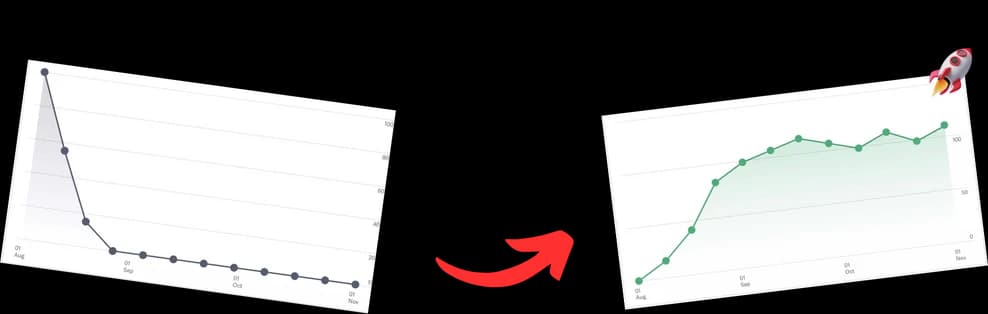
You finally get monetized, turn on ads, and refresh YouTube Studio like it owes you money.
A few days later, you see your first earnings. Maybe it's small. Maybe one video has 10,000 views and the revenue number still looks underwhelming. That's when the big question hits: what is pay per 1000 views youtube really supposed to mean?
Most creators hear a simple formula online and assume every 1,000 views should produce a predictable payout. That isn't how YouTube works. YouTube doesn't pay for raw attention in a neat, flat-rate way. It pays based on ads, ad delivery, viewer behavior, topic, geography, and how well your videos hold attention long enough to create more monetized opportunities.
That gap between total views and monetized ad impressions is where most of the confusion lives. It's also where a lot of creators accidentally leave money on the table.
Your First YouTube Paycheck and The Big Question
The first payout changes how you see your channel.
Before monetization, views feel like points in a game. After monetization, every upload starts to look like a tiny business asset. You stop asking only, "Did this video perform?" and start asking, "Why did this one earn more than that one?"
A familiar scenario looks like this: one creator uploads a tutorial, gets solid traction, and sees decent earnings. Then another video gets a similar number of views but earns much less. Same channel. Same editing style. Same audience at first glance. Different result.
That mismatch confuses almost everyone at the start.
Why the math feels off
Most creators hear broad ranges and mentally do this:
- Simple assumption: 10,000 views should equal a clean payout based on a per-1,000 number.
- What happens: only part of those views lead to payable ad impressions.
- Result: your check doesn't match the back-of-the-napkin estimate.
YouTube's own system makes this easy to misunderstand because the platform tracks several related numbers at once. Views, estimated revenue, ad impressions, playback-based metrics, and RPM can all move differently.
Your earnings don't look wrong because YouTube is broken. They look wrong because many compare revenue to total views instead of monetized activity.
The first useful mindset shift
Once you join the YouTube Partner Program, you are eligible to earn ad revenue after hitting 1,000 subscribers and 4,000 watch hours in 12 months, or 10 million Shorts views in 90 days, according to Hootsuite's 2025 breakdown of YouTube monetization requirements.
That milestone matters, but it doesn't create a guaranteed payout level. It only grants access.
What matters after that is how efficiently your videos turn attention into monetized ad impressions. A creator with fewer views but stronger watch time, better audience geography, and longer videos can out-earn a creator with more total views.
That's why this topic matters. If you understand the financial side of YouTube, you stop treating revenue as random and start reading your channel like an operator.
Demystifying YouTube Pay CPM vs RPM
CPM and RPM sit close together in YouTube Analytics, which is why many creators mix them up. They measure different parts of the same money flow.

CPM is the advertiser-side price
YouTube's ad system works like a marketplace where advertisers bid for attention. CPM is the amount an advertiser pays for 1,000 ad impressions before YouTube takes its share.
That makes CPM a pricing signal. It shows what your audience and topic are worth to advertisers in that auction. It does not show what you earn from 1,000 video views.
RPM is the creator-side result
RPM stands for Revenue Per Mille. It shows how much revenue you earn per 1,000 video views after YouTube's cut and after the platform accounts for how many of those views produced monetized ad impressions.
YouTube uses a 55/45 revenue split, where creators keep 55% and YouTube keeps 45%, as explained in this YouTube CPM and RPM breakdown. That same source gives a simple example: a $20 CPM becomes an $11 RPM for the creator.
Here is the cleanest way to separate them:
| Metric | What it means | Who it reflects |
|---|---|---|
| CPM | Advertiser spend per 1,000 ad impressions | The market price of ads |
| RPM | Creator earnings per 1,000 views after YouTube's cut and other factors | Your revenue per view |
Why creators get confused
The gap comes from the denominator.
CPM is based on ad impressions. RPM is based on video views. Those are not the same thing, and that difference explains why a strong CPM can still lead to a modest payout.
A video can get plenty of views without turning each view into a monetized ad opportunity. Some viewers use ad blockers. Some views happen in places where fewer ads are served. Some viewers click away before a mid-roll would have appeared. A short video also gives YouTube fewer chances to place additional ads.
That is the missing step many creators skip. The check is shaped by monetized ad impressions, not by raw view count alone.
Why this matters in practice
A healthy CPM tells you advertisers value your audience. A healthy RPM tells you your channel is converting views into revenue efficiently.
That is why two channels with similar traffic can earn very different amounts. One may hold viewers longer, qualify for more ad placements, and structure videos in a way that creates more monetized playbacks. Even small decisions, such as cleaner pacing or useful chapters that help viewers stay engaged and skip less, can increase the share of views that become monetized.
Practical rule: Use RPM to judge earning efficiency. Use CPM to understand advertiser demand.
If you want a cleaner way to run your own numbers, this guide on how to compute RPM breaks the formula down from the creator's side.
What Is a Realistic Pay Per 1000 Views on YouTube
You open YouTube Studio after a video hits 100,000 views and expect a clean, easy payout. Then the revenue number looks much smaller than the simple math you had in mind.
A realistic answer starts with ranges, but the useful part is understanding what those ranges measure. Industry analysis suggests that creator earnings per thousand monetized ad impressions are generally in a particular range, while RPM per thousand total views typically falls into a lower range. That gap matters because your paycheck is shaped by how many views become ad opportunities, not by raw view count alone.

What that looks like in plain numbers
Use RPM as your planning metric because it reflects what creators keep per 1,000 views across the channel. If your channel averages $6 RPM, your revenue model looks like this:
| Views | Example RPM | Estimated earnings |
|---|---|---|
| 10,000 | $6 | $60 |
| 100,000 | $6 | $600 |
| 1,000,000 | $6 | $6,000 |
That table is a budgeting tool, not a promise.
A grocery store analogy helps here. Foot traffic tells you how many people walked in. Sales tell you how many bought something. On YouTube, total views are the foot traffic. Monetized playbacks and ad impressions are the purchases. Two channels can get the same traffic and leave with very different revenue because one turns a larger share of those views into monetized sessions.
Why your actual check often comes in lower
The phrase "pay per 1000 views youtube" sounds simple, but YouTube does not pay a flat rate on every view. Some viewers never see an ad. Some leave before a mid-roll could appear. Some watch in contexts where fewer ads are served.
That is why a video with strong traffic can still underperform financially.
Creators miss this point all the time. They multiply total views by a CPM number and expect that result in their AdSense balance. CPM is tied to ad serving. RPM is tied to all views, including the ones that never became monetized. If you skip that distinction, every forecast will look inflated.
Use a realistic range, then pressure-test it
For newer channels, a moderate RPM assumption is usually safer than using your best-performing video as the standard. If one video earned unusually well because of topic, season, or audience location, it can give you a distorted baseline.
A better method is to model a low, middle, and high case. If you want to test those scenarios quickly, this YouTube CPM calculator for estimating earnings by views and rate gives you a simple way to compare outcomes.
The bigger lesson is straightforward. A million views is traffic. Revenue comes from how efficiently that traffic turns into monetized ad impressions. That is why small optimization choices, including stronger retention and clearer chapters that help viewers stay with the video longer, can raise earnings even when view count stays the same.
The Key Factors That Control Your YouTube Earnings
The money side of YouTube is a system, not a mystery. Once you know the main levers, your revenue starts making more sense.

Niche changes the value of a view
Not all audiences are equally valuable to advertisers.
According to this YouTube earnings analysis on niche and geography, financial and investment content can reach RPMs of $12 to $25, while general gaming often averages $5 to $15. The reason is simple. Finance advertisers are often trying to reach viewers close to a purchase or money decision, so they bid more aggressively.
A credit card comparison video and a funny gameplay clip may both entertain viewers. They don't attract the same advertisers.
Geography matters more than many creators expect
The same source notes that U.S.-based viewers generate substantially higher CPM rates than viewers in lower-income regions because advertisers target by purchasing power and market value.
That means audience location shapes revenue even when your content quality stays the same.
If your views come from countries where advertisers spend more, your RPM usually benefits. If your traffic is more global, your earnings may look lower than another creator with fewer views but a heavier concentration in premium markets.
Video length affects ad opportunity
Longer videos create more places for YouTube to insert ads.
That doesn't mean stuffing a video with filler. It means a well-structured long-form video gives the platform more chances to monetize without damaging the viewing experience.
If you're still fuzzy on the mechanics, this guide on how advertisements are placed on YouTube is a helpful companion because it explains the practical side of ad placement decisions.
Watch time changes revenue quality
A short click and a long engaged session aren't equal.
When viewers stay longer, YouTube gets stronger signals that your video is useful and can support more ad inventory. Retention also helps more of the session become monetizable, especially on longer uploads where viewers make it past early drop-off points.
Here's a useful visual explainer on the broader monetization picture:
Ad format and seasonality also shape the outcome
Some ad formats are worth more than others. Some periods of the year attract stronger advertiser demand than others. Creators often notice this in their dashboards without changing anything about their upload style.
A useful way to think about it is this:
- Topic determines your ceiling
- Geography influences the market value
- Length and retention create monetization opportunities
- Ad environment changes the final payout
If your RPM changes from one month to the next, it doesn't always mean your channel got worse. Sometimes the market changed. Sometimes the audience mix changed. Sometimes one video topic attracted better-paying advertisers.
Common Myths About YouTube Pay Debunked
The biggest myth in creator income is also the most persistent: YouTube pays for every view.
It doesn't.
According to this video breakdown of monetized ad impressions, it's common for only 30% to 50% of a video's total views to be monetized. That same source explains why creators get confused. YouTube only pays when an ad is successfully delivered and meets the necessary criteria.
Myth one every view is a paid view
A view can happen without a payable ad impression. This situation is where the pay per 1000 views youtube conversation goes off track. Maybe the viewer used an ad blocker. Maybe no ad was served. Maybe the viewer behavior didn't meet the threshold for that ad format. Maybe the region or session wasn't monetizable in the same way.
That means raw views are traffic, not guaranteed revenue.
Most creators don't have an earnings problem first. They have a measurement problem. They're comparing money to all views instead of to monetized views.
Myth two subscribers directly create income
Subscribers matter, but not because YouTube pays you for the number itself.
Subscribers help when they turn into repeat viewers, longer watch sessions, and a more stable launch audience for each upload. The number on its own isn't a paycheck.
A smaller channel with loyal viewers can out-earn a much larger channel with weak viewer return.
Myth three you need to go viral to make real money
Viral spikes are exciting, but predictable revenue usually comes from repeatable content that holds attention and attracts useful advertisers.
A steady library of searchable videos can create a healthier business than one breakout hit followed by silence.
What creators should believe instead
Use this framing:
- Views create possibility
- Monetized impressions create ad revenue
- RPM tells you how efficiently your channel turns attention into income
Once you accept that, your decisions get sharper. You stop obsessing over vanity metrics and start improving the parts of your videos that make monetization more likely.
How to Increase Your YouTube Pay Per 1000 Views
You can't force advertisers to pay more. You can build videos that make stronger monetization possible.
That starts with one principle: increase the odds that viewers stay, ads get served, and your content attracts better-paying demand.

Make long-form videos that earn more opportunities
According to Travelpayouts' review of YouTube monetization history and creator earnings, videos over 8 minutes can include mid-roll ads, and those mid-rolls can double or triple RPM when the video keeps attention.
That point matters more than most creators realize.
If your content can naturally support longer watch sessions, you're not just adding minutes. You're creating more monetizable checkpoints inside the viewing experience.
Improve session watch time, not just clicks
A lot of creators over-focus on thumbnail CTR and under-focus on what happens after the click.
The same Travelpayouts source notes that tools that add chapters and improve navigation can increase total viewing duration by up to 15%, which helps increase the number of monetized ad impressions within a session.
That means cleaner structure can have a direct earnings effect.
Use chapters to reduce drop-off
Chapters help viewers find their way, re-engage, and commit to longer videos because the content feels organized rather than endless.
If you create tutorials, podcasts, commentary, breakdowns, or educational content, chaptering is one of the simplest optimizations available. One option is TimeSkip, a Chrome extension that generates SEO-optimized YouTube chapters and timestamps so creators can structure long-form videos faster and improve navigation.
Workflow tip: Chapters don't just help the viewer find one moment. They make the whole video feel easier to watch, which can keep more of the session monetizable.
Pick topics with stronger advertiser intent
You don't have to switch niches completely. But you should learn which topics inside your niche attract better advertisers.
A gaming creator can cover hardware, strategy, or creator tools. A business creator can publish broad motivation or practical software tutorials. Those aren't identical from an ad-value standpoint.
Look for topics where the viewer is researching, comparing, learning, or considering a purchase. Those videos often align better with higher-value ad demand.
Check your ad setup and retention points
Some creators lose money because they haven't thought through the viewing experience.
A practical review list:
- Audit video length: If your best content can naturally go beyond 8 minutes, test that format.
- Tighten the opening: Weak intros kill retention before the first meaningful monetization opportunity.
- Add chapters: Break long videos into named sections so viewers don't bounce when they feel lost.
- Watch drop-off points: If viewers leave at the same moment in multiple videos, fix that pattern.
- Review monetization strategy: Ads are one income stream. This guide on how to get YouTube sponsorship is useful when you're ready to add brand revenue alongside AdSense.
Treat RPM as an output of better content design
Creators often ask how to "raise RPM" as if it's a setting.
It's not. RPM rises when your content attracts better ad demand, earns more monetized impressions, and keeps viewers engaged long enough for YouTube to monetize the session more effectively.
That's why the smartest move isn't chasing random hacks. It's designing videos that are easier to watch, easier to monetize, and easier for the right audience to find.
From Chasing Views to Building Value
The creators who build reliable income stop worshipping raw view count.
They learn that a view has layers of value. Some views barely monetize. Some turn into high-quality watch time, stronger ad opportunities, and repeat viewers who come back for every upload. That's a business, not just a traffic spike.
If you want to think beyond AdSense, this guide on how to monetize your content and build your creator business is a helpful next step because it frames monetization as a broader system, not a single metric.
The practical takeaway is simple. Build videos that hold attention, support monetized ad impressions, and serve an audience advertisers want to reach. That's how pay per 1000 views youtube becomes something you can influence instead of something you guess at.
If you want to make long videos easier to watch and more monetizable, TimeSkip helps you generate SEO-focused YouTube chapters in seconds. For creators publishing tutorials, podcasts, interviews, and other long-form content, that makes it easier to structure videos around retention and monetized watch time instead of just raw clicks.