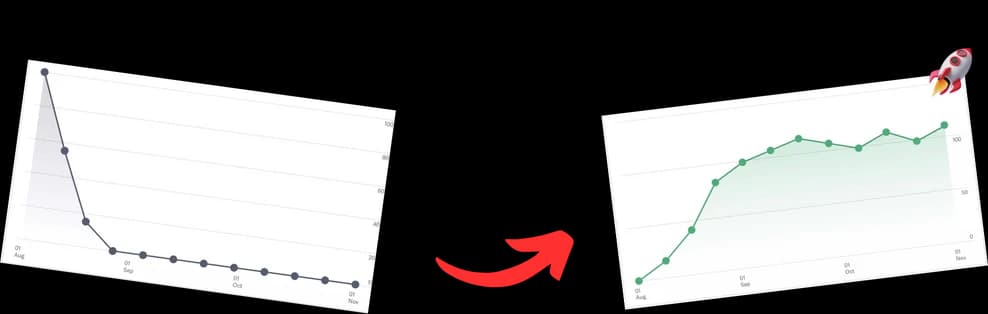
Before you even think about cameras or lighting, the real work begins with a solid strategic foundation. A successful YouTube channel isn't built on a whim with random video ideas; it’s built on a clear identity that pulls in a dedicated community. If you skip this part, you're basically just shouting into the void, hoping someone stumbles upon your content.
The journey starts by asking one simple, yet crucial, question: Who is this for? And no, a broad answer like "gamers" or "people who like to cook" isn't going to cut it. We need to get specific.
Find Your Profitable Passion
The sweet spot for a great YouTube niche lies at the intersection of three things:
- Your Passion: What could you talk about for hours on end without getting bored? Authenticity is magnetic on YouTube. Your genuine enthusiasm will be the fuel that gets you through the inevitable creative slumps and long editing sessions.
- Audience Demand: Are people actually looking for content on this topic? A great way to check is to use YouTube's own search bar. Start typing a phrase like "ketogenic diet for," and watch the autocomplete suggestions. Those suggestions—"beginners," "weight loss," "athletes"—are pure gold, telling you exactly what people are searching for.
- Monetization Potential: Can this niche eventually support you or become a business? Some topics are a natural fit for affiliate marketing, sponsorships, or selling your own digital products. A channel reviewing "budget home studio setups," for example, can easily link to affordable microphones and audio interfaces.
Nailing this trifecta is the difference between a fun hobby and a sustainable creator business. It keeps you from burning out and makes sure there's an actual audience waiting for what you have to say.
Create Your Ideal Viewer Persona
Once your niche is locked in, you need to get crystal clear on exactly who you're talking to. This is where creating a "viewer persona" becomes a total game-changer. Think of it as creating a semi-fictional character who represents your perfect subscriber. To make sure your videos truly connect, you have to identify your target audience before you create anything.
Give this person a name, an age, maybe a job, and most importantly, a problem you can solve. For instance, if your niche is "Excel for small business owners," your persona might be "Sarah, a 35-year-old Etsy seller who's completely overwhelmed by her finances and needs simple, non-techy tutorials to track her inventory and profits."
By creating for one specific person, you make your content feel incredibly personal and valuable. Every single video should feel like a direct answer to one of Sarah's problems. This laser focus sharpens your content and makes viewers feel like you really get them.
Craft a Unique Value Proposition
With millions of channels out there, why should someone watch yours? Your unique value proposition (UVP) is the short, punchy statement that answers this question. It clarifies what your channel offers that no one else does, at least not in the same way. For a deeper dive on this, our guide on how to find keywords for YouTube videos can help you zero in on your content's focus.
A strong UVP combines your niche with your unique angle or approach.
- Generic: "I make cooking videos."
- Specific UVP: "I help busy parents make healthy, 30-minute meals using only ingredients they can find at a standard grocery store."
See the difference? That clarity becomes your north star. It informs your channel banner, your video intros, and your overall brand voice. It tells a potential subscriber exactly what to expect and gives them a compelling reason to smash that subscribe button. This strategic foundation isn't just a nice-to-have; it's the non-negotiable first step to building a channel that actually thrives.
2. Lock In a Sustainable Content and Production System
Okay, so you’ve figured out your channel’s identity. That’s your launchpad. But what keeps the rocket in the air? Consistency. A truly successful YouTube channel isn't built on viral flukes; it’s built on a repeatable system that turns your creative sparks into a steady stream of great videos, all without burning you out.
This is the part where you shift from being a hobbyist to a strategic creator. We need to build a playbook for everything, from dreaming up ideas to hitting that final "publish" button. Without a system, you’ll always be scrambling, and your audience will feel that chaotic energy.
Let's build a workflow that's not just manageable but actually sustainable for the long haul.
The flowchart below breaks down how your niche and audience understanding directly feed into the brand you build and the content you create. It’s all connected.

Nail Down Your Idea Generation and Content Calendar
Running out of ideas is every creator's nightmare, but it’s totally avoidable. The trick is to stop thinking about what to film this week and start brainstorming in batches. This takes the pressure off and lets you think more strategically.
A killer way to do this is by creating content pillars (or "buckets"). Let's say your channel is about "sustainable home gardening." Your pillars could look something like this:
- Pillar 1: DIY Projects (e.g., building a compost bin, setting up a rainwater collector)
- Pillar 2: Plant-Specific Guides (e.g., how to grow tomatoes vertically, best herbs for beginners)
- Pillar 3: Troubleshooting (e.g., identifying common pests, fixing nutrient deficiencies)
Once you have your pillars, block out an hour and brainstorm 10 video titles for each one. Just like that, you’ve got a backlog of 30 video ideas. It’s so much more effective than staring at a blank document every Tuesday.
Next, you need to get these ideas organized in a content calendar. It doesn't need to be fancy—a simple Google Sheet or a Trello board works wonders. A calendar helps you see your schedule at a glance, plan for seasonal topics (like spring planting), and make sure you're mixing up content from your different pillars.
Before we move on, every video idea should go through a basic planning checklist. This ensures you're not just creating content, but creating content with a purpose.
Essential YouTube Content Planning Checklist
This simple checklist is your go-to before you even think about hitting record. It ensures every video is aligned with your channel's goals and your audience's needs.
| Phase | Key Action | Success Metric |
|---|---|---|
| Ideation | Does this idea align with my content pillars? | Relevance to niche |
| Audience Fit | Is this a problem or question my target viewer has? | Audience engagement (comments, shares) |
| Keyword Research | Is there search volume for this topic? | Search traffic, discoverability |
| Hook & Angle | What's my unique take? How will I grab attention? | Click-Through Rate (CTR) |
| Call-to-Action | What do I want the viewer to do next? | Subscriber conversion, link clicks |
Running each idea through this quick filter will dramatically increase the hit rate of your videos.
Create an Efficient Production Workflow
Your production workflow is basically your video assembly line. The smoother it runs, the more high-quality content you can produce without pulling your hair out. We have a complete guide on building a YouTube video production workflow, but here’s the condensed version.
Breaking it down into four distinct phases makes the whole process feel less intimidating and ensures you don't miss crucial steps.
- Pre-Production: This is all the homework you do before recording. It’s your scripting or outlining, grabbing any props, and getting your filming space ready. Trust me, a solid outline is your best friend—it makes filming and editing go so much faster.
- Production (Filming): The name of the game here is efficiency. If you can, film in batches. Got three "talking head" style videos on your calendar? Block out one afternoon and film them all back-to-back. This seriously cuts down on setup and teardown time.
- Post-Production (Editing): This is where most creators get bogged down. The secret weapon? Create an editing template in your software of choice. Have your standard intro, outro, background music, and color grade presets all ready to go. This one move can save you hours on every single video.
- Publishing: This isn't just uploading. It's writing a killer title and description, designing a can't-help-but-click thumbnail, and scheduling your video. Don't rush this part—it’s just as critical as the video itself.
A structured workflow isn't about killing creativity. It's about building a system that frees you up to be more creative. When you’re not stressing about the "how," you can put all your energy into making awesome, valuable content.
Yes, the creator space is crowded, with over 69 million active creators on the platform. But that just makes consistency and a genuine voice more valuable than ever. Data from Epidemic Sound shows that creators who post 20 or more videos develop stronger skills and a deeper connection with their audience, often leading to real monthly income without needing a million subscribers. It proves that a sustainable system—not a one-hit wonder—is what really builds a successful channel.
Optimizing Your Videos for YouTube Search and Discovery

Let's be real: creating a great video is only half the battle. If nobody can find it, all that hard work is basically a message in a bottle tossed into the digital ocean. This is where mastering YouTube SEO stops being optional and becomes a core part of your growth strategy.
Think of YouTube as the world's second-biggest search engine. It's not just a video site; it's a solution-finding machine. Getting your videos to show up when people search is the key to long-term, organic growth that keeps working for you months—even years—after you hit publish.
This isn't about trying to game the algorithm. It’s about giving YouTube clear signals about what your video is about so it can connect you with the right viewers who are actively looking for your content.
Finding What Your Audience Is Searching For
The entire foundation of good YouTube SEO starts with solid keyword research. You have to get inside your ideal viewer's head and figure out the exact words and phrases they're typing into that search bar. Guessing is a recipe for disaster.
One of the best (and totally free) places to start is YouTube's own search bar. Seriously. Type in a broad topic for your niche, like "beginner pottery," and just watch what the autocomplete suggestions tell you. Phrases like "beginner pottery wheel tips" or "beginner pottery at home without a wheel" are pure gold. These are direct clues into what people actually want to know.
For a more data-driven approach, tools like TubeBuddy or vidIQ can show you search volume and competition levels. This helps you find that sweet spot: keywords with real search interest but without a ton of competition from massive channels.
Popular Keyword Research Strategies
- YouTube Autocomplete: Your first stop. It’s a direct line to user intent, straight from the source.
- Competitor Analysis: Check out the top-ranking videos for your target topics. What keywords are they hitting in their titles, descriptions, and tags? Don't copy, but learn from what's working.
- Community Forums: Dive into Reddit, Quora, and niche Facebook Groups. The questions people are asking are often perfect long-tail keyword opportunities just waiting to be turned into a video.
Crafting Titles and Descriptions for Clicks and Rankings
Once you've got your target keyword, it's time to put it to work in your video's metadata. Your title has to do two jobs at once: be compelling enough for a human to click and be clear enough for the YouTube algorithm to understand.
A killer title often combines your keyword with a hook that promises a specific outcome. Instead of a flat "Fixing a Leaky Faucet," try something like "How to Fix a Leaky Faucet in 10 Minutes (No Plumber Needed!)." It hits the keyword and tackles common pain points like time and cost.
Your description is just as crucial. The first 2-3 sentences are prime real estate because they show up in search results. Weave your main keyword in there naturally. Use the rest of the description to add related keywords, provide more context, and drop relevant links. Turn it into a genuinely useful resource for your viewers.
The Untapped Power of Video Chapters
Here’s one of the most underutilized SEO tools on the platform: video chapters. Also known as timestamps, chapters break your video into easy-to-navigate sections, each with its own descriptive title. This is a massive upgrade for the viewer experience, letting people jump straight to the good stuff.
But it’s more than just a convenience. The YouTube algorithm absolutely loves chapters because they create a structured outline of your video. This gives it a much deeper understanding of the topics you cover, which can help you rank for more specific, long-tail searches.
Even better, Google often pulls these chapters directly into its search results as "Key Moments." This lets your video take up way more space on the results page, showing multiple clickable links to specific points in your video. The result? A huge potential boost to your click-through rate.
Manually creating these can be a drag, which is where a tool like TimeSkip comes in handy. It can automatically generate optimized chapters for you.
By analyzing your video, it creates relevant, keyword-rich chapters in seconds. Automating this step ensures every video you publish is structured for maximum visibility on both YouTube and Google, making it a powerful move for any creator serious about growing their channel.
4. Creating Thumbnails and Hooks That Demand Clicks

You could spend weeks crafting the most insightful, perfectly edited video in your niche, but if the packaging is wrong, it’s just going to get lost in the noise. On YouTube, your packaging comes down to two things: the thumbnail and the first few seconds of your video (the hook).
Getting these right is absolutely non-negotiable. Your thumbnail and title are your video's digital storefront, and they have one job: make someone scrolling through a sea of options stop and choose yours. This decision happens in a split second, so your design choices carry a ton of weight.
Designing Thumbnails That Stop the Scroll
A great thumbnail is equal parts art and science. It’s not about being the flashiest; it’s about instantly communicating value and sparking curiosity. The best-performing thumbnails almost always have a few things in common.
-
High Contrast and Bold Colors: Your thumbnail has to pop, especially on a tiny phone screen. Use complementary colors like blue and orange to create visual tension that snags the eye. Muted tones just blend into the YouTube interface.
-
Readable, Minimalist Text: If you use text, keep it to 3-5 powerful words. The font needs to be bold, clean, and easy to read even when the thumbnail is postage-stamp-sized. The text should add context or create an intriguing question that the title can’t.
-
Emotive Human Faces: Our brains are hardwired to notice faces, particularly ones showing strong emotions. A shot of you looking surprised, excited, or confused can seriously boost your click-through rate (CTR). It forges an instant human connection.
A simple A/B test can do wonders here. For your next video, create two different thumbnail versions. Run one for the first 24 hours, then swap it for the second and watch your CTR in YouTube Studio. Over time, you’ll see exactly what styles your audience responds to. For a deeper dive, check out our guide on YouTube thumbnail best practices.
Crafting a Hook That Kills Drop-Off Rates
Getting the click is only the first victory. The real battle is for retention. A huge chunk of viewers decide whether to stick around within the first 15-30 seconds. A weak, slow intro is a death sentence for your audience retention graph.
Your hook has to immediately validate their click and promise something valuable is on its way.
A powerful hook doesn't just introduce the topic. It creates a knowledge gap, hits the viewer with a startling statistic, or speaks directly to their biggest pain point. It makes them feel like they have to see what's next.
Instead of a long, branded intro or a generic "Hey guys, in this video...," jump straight into the action. Show the incredible end result of your DIY project first, and then explain how you did it. Start with a provocative question that challenges a common belief in your niche.
Look at the difference between a weak and a strong hook for a video on "budget filmmaking tips":
| Weak Hook | Strong Hook |
|---|---|
| "Hey everyone, welcome back to my channel. Today I’m going to share some tips for making videos on a budget." | "This entire shot was filmed on a smartphone that costs less than a pair of sneakers. In the next five minutes, I'll show you three secrets to get this look." |
The second one is miles better. It immediately shows the value and gives viewers a compelling reason to keep watching. When you nail both your thumbnail and your hook, you create a powerful one-two punch that not only earns clicks but holds attention—signaling to the algorithm that you’ve got a video worth pushing.
Developing Realistic Monetization Strategies
So, you want to turn your YouTube channel into a real business? Awesome. The key is to think smart and be realistic about how you're going to make money. It’s easy to dream about those massive ad-revenue checks, but a sustainable career as a creator is almost always built on a few different income streams, not just one.
For most creators, the first big milestone is getting into the YouTube Partner Program (YPP). This is the official gateway to running ads on your videos and getting a slice of the revenue. The requirements are clear-cut and serve as a filter to make sure channels have a real, engaged audience before the money starts flowing.
Understanding The YouTube Partner Program
To get invited into the YPP, you’ll need to hit two specific targets within any 12-month period:
- You need at least 1,000 subscribers.
- Your public videos must rack up more than 4,000 hours of watch time.
Getting there is a huge accomplishment, but think of it as the starting line, not the finish. Earning real money from ads alone demands a ton of consistent views. This is why you should be thinking beyond the Partner Program from day one.
The reality of ad revenue can be a bit of a wake-up call. While the entry ticket is 1,000 subs and 4,000 watch hours, earning a living wage requires way more. A creator often needs around 500,000 views just to make $1,000 from ads. To generate a solid monthly income of $5,000, you might need to pull in about 2 million views every single month.
Beyond Ads: Diversifying Your Income
Relying only on ad revenue is like building a house on a single pillar—it’s just too risky. Smart creators build a resilient business by setting up multiple income streams they can actually control. This strategy protects you when the YouTube algorithm has a mood swing or when ad rates dip.
One of the easiest and most effective ways to start is with affiliate marketing. All you do is recommend products or services you genuinely use and love. When someone buys something using your unique link, you get a commission. It costs the buyer nothing extra, and it’s a total win-win that builds trust when you do it right.
For instance, if you run a channel reviewing camera gear, you can drop affiliate links in your description for the exact cameras, lenses, and mics you’re using. It's super helpful for viewers who want that gear and creates a nice, passive income stream for you.
Building Your Own Products and Services
Once your channel grows and you've established yourself as an expert, the trust you've built with your audience becomes your most valuable asset. This is your cue to start creating and selling your own stuff, which offers way better profit margins and more control than anything else.
Many successful creators start making money with online courses, packaging their expertise into a product they can sell over and over. But it could also look like:
- Digital Products: Think e-books, handy templates, or custom video editing presets.
- Physical Merchandise: T-shirts, mugs, or other cool branded gear.
- Coaching or Consulting: Offering personalized, one-on-one sessions.
As your brand gets bigger, sponsorships and brand deals will also become a real possibility. Companies will actually pay you to feature their products in your videos. This is a huge sign of your influence and can give your revenue a serious boost. Just make sure to only partner with brands that your audience will actually care about—authenticity is everything. Building these different pillars is how you turn a fun hobby into a business that lasts.
Got Questions About Growing on YouTube?
Everyone starting out on YouTube runs into the same walls. You're trying to figure out the algorithm, deal with the trolls, and wonder if any of this is actually going to work. Let's cut through the noise and answer some of the most common questions creators have.
How Often Should I Actually Post?
Forget what you've heard about daily uploads. The real key isn't frequency, it's consistency.
Seriously, posting one fantastic, well-thought-out video every single week is infinitely better than dropping three rushed videos and then ghosting your audience for a month. A predictable schedule does two things: it tells your viewers when to come back, and it gives the YouTube algorithm a steady diet of content to test out.
Remember, the algorithm cares about one thing above all else: viewer satisfaction. A single video that people watch from start to finish will do more for your channel's growth than a dozen mediocre ones that people click away from. Start with a schedule you can actually stick to without burning out—even if that's just once every two weeks. You can always ramp it up later once you've got your workflow down.
What’s the Best Way to Handle Negative Comments?
Getting a nasty comment is a rite of passage for every creator. It stings, but how you handle it is what matters. The trick is to realize not all "negative" feedback is created equal.
- Constructive Criticism: If someone points out a specific flaw you can fix (e.g., "The audio was a little muffled at the beginning"), that's gold. Thank them for the feedback! It shows you're listening and dedicated to making better videos.
- Trolls and Haters: For the comments that are just plain mean, the strategy is simple: ignore, delete, and block. Don't even think about engaging. Arguing with a troll just gives them the attention they're desperate for. Protect your mental energy like it's your most valuable asset—because it is.
Think of your comment section as your digital living room. You wouldn't let someone come in and start screaming insults at your guests, right? You have every right to kick out anyone being disruptive or disrespectful.
How Long Until I Start Seeing Real Growth?
Patience is probably the most important tool in a YouTuber's toolkit. While it's true a video can go viral overnight, that's like winning the lottery. Real, sustainable growth is almost always a slow burn.
For most creators, you're looking at 6 to 12 months of consistent work before you start seeing real traction, like hitting that first 1,000 subscriber milestone.
The beginning is always the hardest. You might pour your heart into 10 videos and only get 50 subscribers. It’s easy to get discouraged, but this is the most critical phase. You're sharpening your skills, figuring out what your audience really wants, and building a foundation of content. Once the algorithm finally "gets" who your videos are for, that slow-and-steady growth can suddenly take off.
Does My Expensive Camera Gear Really Matter?
Here's a hard truth: a great idea will always beat great gear.
A fascinating, well-told story filmed on a smartphone will outperform a boring, pointless video shot on a $5,000 cinema camera. Every. Single. Time. People come for the value and your personality, not for the 4K resolution.
Before you even think about upgrading your camera, pour your energy (and a tiny bit of budget) into these two things:
- Clean Audio: Viewers will forgive a shaky shot, but they will click away in a heartbeat if they can't hear you clearly. A simple lavalier mic can be had for $20-$30 and will make you sound 10x more professional.
- Good Lighting: You don't need a pro lighting kit. Just face a big window. Natural light is free, and it looks fantastic.
Only start upgrading your gear once your channel has some momentum and you're sure you're in this for the long haul. Content is king, not your camera.
Ready to make your videos easier to find and a joy to watch? TimeSkip automatically creates SEO-friendly chapters for your videos in just a few seconds. It’s the easiest way to help you rank higher and keep your viewers hooked. Try it for free and generate your first chapters with TimeSkip today.