Let’s be honest, that old, dusty spreadsheet you call a "content calendar" isn't cutting it anymore. If it feels like you're just throwing dates on a grid and hoping for the best, you're not just busy—you're headed for burnout. A modern content calendar management system is the difference between simply making content and building a predictable growth machine.
It's the central command for your entire marketing operation. It’s how you move from chaotic, last-minute scrambles to a smooth, strategic workflow where everyone knows exactly what they need to do and why.
Your Calendar Should Be a System, Not a Spreadsheet
For a long time, a content calendar was just a list of topics and publish dates. That was fine when you were only managing a blog. But today? That approach is a surefire way to have your best ideas fall through the cracks and watch your team run in circles.
The game has changed. We're all juggling blogs, social media, videos, newsletters, and podcasts. Trying to manage that complexity on a static grid is like trying to navigate a city with a hand-drawn map. You’ll get lost, and you’ll definitely be late.
A proper content system is no longer just about scheduling. It’s a dynamic workflow for planning, creating, approving, and analyzing every single piece of content you produce. It’s your team’s single source of truth.
Moving From a Static To-Do List to a Growth Engine
Think of it this way: the old spreadsheet shows you where you’re going. A modern content management system gives you the turn-by-turn directions, reroutes you around creative traffic jams, and tells you exactly when you’ll arrive at your goals.
When you treat your calendar as a living system, it helps you:
- Unify the Team: Your writers, designers, SEO specialists, and social media managers can finally stop asking "What's the status of...?" Everyone sees the entire pipeline, understands their part, and knows who to pass the baton to next.
- Keep Your Brand on Point: It’s the ultimate guardian of your brand voice and quality. A good system ensures that no matter who creates the content, it always feels like it came from you.
- Eliminate Bottlenecks for Good: By mapping out your entire process—from that first spark of an idea to the final approval—you can instantly spot and fix the snags that slow you down.
This isn't just a nice idea; it's how high-performing teams operate. We've seen a massive shift away from spreadsheets, and the data backs it up. Research shows that 76% of marketing teams now rely on dedicated tools to run their content operations.
You can dive deeper into how teams are making this switch by exploring Sprout Social's content calendar insights.
The evolution is clear. Teams are trading in their static, clunky spreadsheets for systems that provide clarity, accountability, and most importantly, results.
The Evolution of a Content Calendar
| Attribute | Traditional Spreadsheet | Modern Management System |
|---|---|---|
| Purpose | Scheduling publish dates | Managing the entire content lifecycle |
| Collaboration | Manual, via email and chat | Centralized with tasks and comments |
| Visibility | Limited to one person or document | Full pipeline visibility for all stakeholders |
| Workflows | Non-existent, leading to chaos | Defined and automated for efficiency |
| Analytics | Manual and disconnected | Integrated to track performance |
| Flexibility | Rigid and difficult to update | Dynamic and easily adaptable |
The bottom line is simple: a spreadsheet tells you what to post. A true content management system empowers your team to execute a winning strategy, day in and day out.
Laying the Groundwork for a Winning Content Calendar
Before you even think about fancy tools or scheduling software, let's get back to basics. A successful content calendar isn't just a list of publish dates; it's a strategic roadmap. So, what’s the destination? Are you trying to pull in a bigger audience, get more eyeballs on a new product, or become the go-to expert in your field?
You need to get specific here. Vague goals like "get more views" are useless. Instead, attach a number to it. Aim to "boost YouTube discovery by 25% in Q3" or "increase the average view duration on our tutorials to 6 minutes." These aren't just vanity metrics; they are concrete targets that will shape every single piece of content you plan.
Your content calendar must also sync up with your brand's bigger picture. For this, a solid template for a unified online presence is an absolute game-changer when you're laying these foundational pillars.
From Chaos to Control: Mapping Your Editorial Workflow
With your goals locked in, it's time to map out your content's journey from a spark of an idea to a published masterpiece. This isn't just a to-do list; it’s your production pipeline. Think of it like an assembly line for your content.
Most content workflows move through a few key stages:
- Idea/Backlog: This is your brain dump—a holding pen for every potential topic that pops into your head.
- Research & Outlining: Here's where you vet those ideas and give them some structure.
- In Production: The creation phase. This is where the writing, filming, and editing happens.
- Review & Approval: Your quality control gate. Nothing goes out the door without passing this check.
- Scheduled: It's done, approved, and just waiting for its moment to go live.
- Published & Promoted: The content is out in the world, and now you're making sure people see it.
By defining these stages, you turn a chaotic creative process into a repeatable, predictable system. This structure is essential for identifying bottlenecks and ensuring no task falls through the cracks, a key principle you can learn more about in our complete content marketing strategy guide.
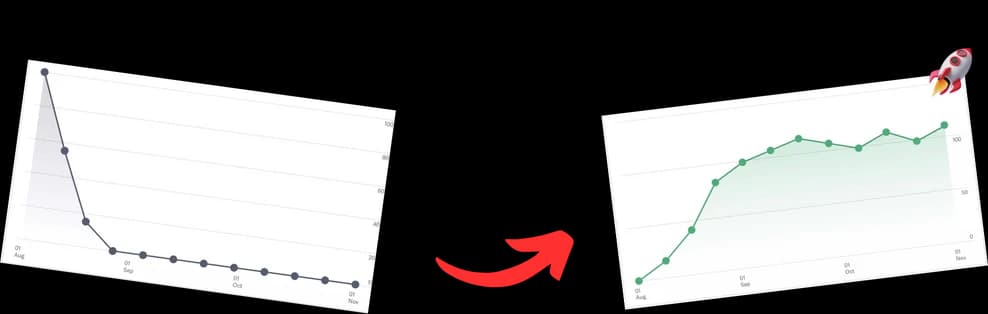
The image below shows how this kind of structured approach can evolve a simple spreadsheet into a powerful engine for growth.

This shift from static planning to a more dynamic system is what separates the pros from the amateurs. It allows your team to use real performance data to fuel growth and keeps everyone marching toward the same goals.
Designing a High-Impact Content Calendar
Alright, you've got your goals. Now comes the fun part: actually building the calendar that will bring your content strategy to life. A great content calendar isn't just a list of publish dates; it’s the central nervous system for your entire content operation.
At its core, your calendar needs to answer the most important questions at a glance. Think of these as the non-negotiable details for every single piece of content you plan.
- Publish Date: The exact day and time the content goes live.
- Topic/Title: The working headline or a clear subject line.
- Owner: The one person accountable for seeing that piece through to completion.
- Status: The current stage of production (e.g., Idea, In Progress, Awaiting Review).
- Channel(s): Where it’s being published (e.g., Blog, YouTube, LinkedIn).
- Key Metrics: The main KPI this content is supposed to move (e.g., Sign-ups, Watch Time).

Getting these basics down transforms your calendar from a simple to-do list into the command center for your entire content calendar management system.
Planning Ahead Without Losing Flexibility
One of the biggest wins you get from a solid calendar is the ability to stop scrambling. Most successful teams I've worked with plan their content at least two to four weeks in advance. This gives your team enough breathing room for quality production without being so rigid you can't jump on a new trend. For video and podcast teams, this window is a lifesaver. You can find more great insights on planning cycles in this content calendar guide from Evoke Strategy.
A proactive planning window is your best defense against last-minute scrambles and rushed, low-quality work. It builds professionalism and consistency directly into your workflow.
Let's take a real-world example. Imagine a podcaster wants to plan a month's worth of YouTube episodes. With a four-week lead time, their calendar gives them a clear, predictable rhythm:
- Week 1: Scriptwriting for all four episodes.
- Week 2: Filming two episodes each day, knocking out all the recording.
- Week 3: Handing off footage for editing and chapter generation, maybe using a tool like TimeSkip to automate the chapter markers.
- Week 4: Final review, scheduling, and prepping all the social media assets.
This kind of batching turns potential chaos into a smooth, manageable workflow. It's how you go from constantly putting out fires to strategically building a content engine.
Streamlining Your Workflow with Automation and Batching
A well-built content calendar is just the start. The real magic happens when you run it with ruthless efficiency. To turn your static plan into a dynamic productivity machine, you need to get comfortable with two game-changing concepts: automation and batching. This is how you stop drowning in admin work and start reclaiming your creative time.
Automation is all about putting those small, repetitive tasks on autopilot so they don't chip away at your creative energy. Say you have a weekly YouTube series. Instead of manually creating a new to-do list every single week, you can set up a recurring task in your calendar tool. This automatically generates a fresh card with your preset checklist, ensuring no step ever gets missed. If you're new to the idea, there are plenty of simple explanations for workflow automation that break it down.
The goal is to build a system where the process runs itself as much as possible, freeing you up to focus on the high-value creative work that actually moves the needle.

The Power of Batching Tasks
While automation handles the recurring administrative steps, batching is how you streamline the actual creation process. It’s the simple practice of grouping similar tasks together and knocking them out in one focused session. This approach is a lifesaver because it minimizes context switching—that mental whiplash from jumping between writing, filming, and editing—which is a notorious productivity killer.
A powerful batching workflow for a month of videos might look something like this:
- Monday (Writing): Lock in and write the scripts for all four of this month's videos. No filming, no editing, just writing.
- Tuesday (Filming): Set up your gear once and film all four videos in a single afternoon.
- Wednesday (Post-Production Prep): Upload all your footage. Then, use tools like TimeSkip to generate SEO-optimized YouTube chapters for all videos at once.
This operational mindset is a cornerstone of an effective content creation workflow and is your best defense against burnout. Instead of getting stuck in the chaotic cycle of producing one video from start to finish, you create a smooth, predictable rhythm by completing each stage for all your content in one go.
Turning Performance Insights Into Smarter Content
A content calendar that just sits there is a huge missed opportunity. The best creators I know treat their calendars not as static schedules, but as living documents that actually learn and evolve with every piece of content they ship. This is how you close the loop—by feeding performance data right back into your next great idea.
Your calendar shouldn't just be a tool for planning what's next. It needs to be a tool for analysis, too. When you build in a consistent review process, you transform your calendar from a simple to-do list into a strategic feedback engine that ensures your content strategy gets sharper over time.
This doesn't have to be some massive, time-sucking overhaul. It really just comes down to building simple, consistent habits. For example, many of the top teams I've worked with run quick weekly reviews and more in-depth monthly or quarterly revisions. This cadence allows them to see what's working, spot content gaps, and shift their priorities based on what the data is telling them. You can find more practical advice on building these reviews into your workflow and the best tools to use on 5day.io.
Building a Data-Driven Feedback Loop
So, what does this look like in practice? It’s all about connecting your results directly to your planning process. Instead of just marking a task as "Published" and moving on, the real magic happens when you circle back and plug key metrics right into the calendar itself.
Your content calendar should tell you two stories: what you plan to do, and what you’ve actually accomplished. When you start adding performance data, those two stories become one powerful narrative.
Let's say you just published a YouTube video. You'd go back to that task in your calendar and add a few key data points, like:
- First 24-Hour Views: A great early signal of how well your title and thumbnail grabbed attention.
- Average View Duration: This tells you if the content actually held that attention.
- Top Traffic Source: Did your SEO strategy pay off, or did a surprise social share drive all the traffic?
By tracking these metrics directly within your calendar, you start to see patterns emerge right before your eyes. You’ll quickly notice which topics consistently pop off and which formats just aren't connecting with your audience. This creates a powerful, data-informed cycle where every piece of content makes the next one that much smarter. If you're ready for a deep dive, we've put together a complete guide on how to measure content performance from top to bottom.
Common Content Calendar Questions Answered
Even the most organized content teams run into the same nagging questions. When you're in the thick of managing a content calendar, getting a straight answer can be the difference between a smooth operation and constant headaches. Let's dig into some of the most common issues creators and marketers grapple with.
What Is the Best Tool for Content Calendar Management?
There's no magic "best" tool, because the right platform depends entirely on your team's size and how you work. What works for a solo creator will feel way too simple for a growing team, and vice versa.
If you're flying solo or have a tiny team, simple tools like Trello, Asana, or even a well-organized Google Sheet can be perfect. A visual Trello board is fantastic for dragging content cards through stages like "Idea," "Filming," and "Published."
But the second you bring editors, designers, or social media managers into the mix, you'll feel the growing pains. That's when dedicated platforms like CoSchedule, Airtable, or Monday.com become essential. They're built for collaboration, with features like subtasks, automated notifications, and built-in approval workflows that a basic spreadsheet just can't handle.
The best tool is always the one your team will actually use. Don't get distracted by a million features. Pick something that feels intuitive and plugs into your existing workflow, or it will just gather digital dust.
How Far Ahead Should I Plan My Content?
For most teams, planning two to four weeks in advance is the sweet spot. This gives you enough breathing room for solid brainstorming and high-quality production without being so locked in that you can't react to a timely trend.
Of course, this isn't a one-size-fits-all rule. The timeline often shifts based on the content's strategic importance.
- Major Campaigns: For big product launches or major promotions, you should be mapping out your core themes and deliverables at least a full quarter ahead. This is the only way to ensure all your supporting content is cohesive and ready to go.
- Evergreen Series: If you have a regular video series or podcast, outlining topics for the next quarter helps you stay on track strategically and makes batching production much simpler.
Planning ahead like this is your best defense against the last-minute scramble that always results in rushed, mediocre content.
How Do I Integrate SEO Into My Content Calendar?
Simple: Stop treating SEO as a final-step task you sprinkle on at the end. It needs to be woven into the fabric of your content calendar from day one.
The most practical way to make this happen is to add dedicated fields or columns to your calendar template for every single piece of content. Make these non-negotiable.
- Primary Keyword: The main search term you're targeting.
- Secondary Keywords: A short list of related long-tail keywords to work into the content.
- SEO Checklist: Break down optimization into concrete sub-tasks. Think "Keyword Research," "Write Meta Description," "Optimize Headline," and "Add Internal Links."
This small change transforms SEO from an afterthought into a planned, deliberate step, guaranteeing it’s baked into your content from the very beginning.
My Calendar Always Falls Apart. How Do I Stay Consistent?
If your content calendar turns into a ghost town a few weeks after you create it, the problem usually boils down to two things: a lack of clear ownership and too much complexity.
First, assign a single "owner" to the calendar. This doesn't mean they do all the work, but they are the one person ultimately responsible for keeping it updated, moving tasks forward, and gently nudging teammates when things stall. When everyone is responsible, no one is.
Second, don't over-engineer it. A simple calendar that people actually use is infinitely better than a complex, feature-packed one that everyone ignores. Start with the bare minimum—the essential fields and workflow stages you absolutely need. Once your team gets into the daily habit of using it, you can slowly start adding more details.
Ready to streamline your video workflow? TimeSkip automates the tedious process of creating SEO-optimized YouTube chapters in seconds. Boost your visibility and save hours of work with our easy-to-use Chrome extension. Try it for free today at https://timeskip.io.