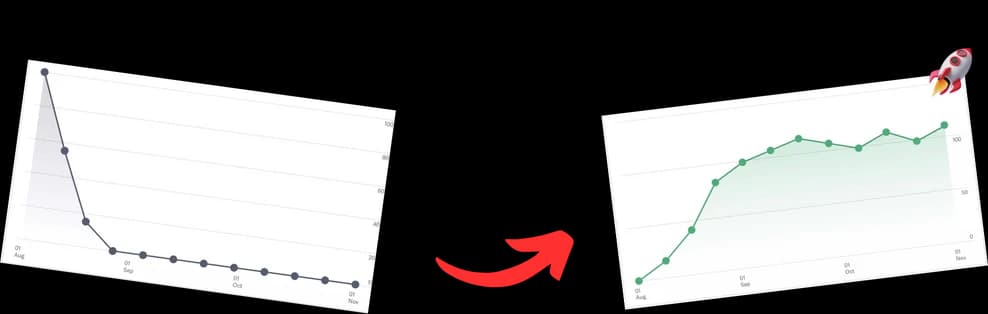
A video with time stamps can change performance faster than many creators expect. On long-form videos, chaptering affects how people scan, click, and decide whether the content feels worth their time. That makes chapters a channel growth tool, not a formatting task.
Many YouTube creators still build chapters at the end of the workflow. They upload first, scrub through the timeline, write a few labels from memory, and call it done. I see the same pattern over and over. The timestamps exist, but they do very little. They are vague, inconsistent, and written without any real search or retention strategy behind them.
Strong chapters do a different job. They help viewers reach the right moment fast. They give YouTube clearer context about what each segment covers. They also make a long tutorial, interview, podcast, or breakdown feel organized before a viewer commits to the full runtime.
That is the essential shift. A video with time stamps works better when the chapters are engineered, not just added.
Most guides stop at formatting. This one focuses on chapter strategy: how to structure sections for search visibility, how to write labels that match viewer intent, and how to avoid wasting time on a manual process that is slow to produce and hard to scale. For creators publishing regularly, the trade-off is simple. You can hand-build chapters every time, or use a faster workflow with TimeSkip to generate and optimize them with far less effort.
Your Video with Time Stamps Is a Growth Engine
A lot of creators still think chapters are a convenience feature. That view is expensive.
If a video with time stamps can gain up to 220% more visibility, plus stronger discoverability and longer total viewing duration, then chapters belong in the same conversation as title optimization and thumbnail design, as shown in this creator-focused YouTube source. Leaving them out means giving up one of the few optimizations that improves both searchability and viewer control at the same time.
Chapters change how a long video performs
Long-form content has a navigation problem. A viewer lands on a 20-minute tutorial or a 60-minute podcast and asks one question first: can I get to the useful part fast? If the answer is no, many people leave.
A chaptered video solves that immediately. The viewer sees structure. They see what the video covers. They can jump straight to the relevant moment without guessing.
That matters because chapter titles also act like metadata. They clarify topical relevance inside the video itself. When they're written well, they help the platform understand what each segment covers, not just what the overall title says.
Practical rule: If your video needs a description to explain its structure, it probably needs chapters to expose that structure.
Manual chaptering wastes effort in the wrong place
The old workflow is familiar. Rewatch the full video. Pause. Note times. Rewrite labels. Fix formatting errors. Paste into the description. Refresh. Realize one chapter starts too late. Go back and do it again.
None of that work improves the substance of the video. It just burns time after editing is already done.
The smarter workflow is different. Generate a first draft quickly, review it, tighten the titles, and publish. That lets you spend your energy on the part that moves performance: choosing the right chapter breaks and naming them in a way that matches search intent and viewer intent.
How Chapters Boost SEO and Viewer Retention

Search and retention usually get treated as separate problems. In practice, strong chapters improve both because they make the video easier for the platform to interpret and easier for viewers to use.
That matters more on long videos. A broad title and thumbnail can earn the click, but chapters often decide what happens after that click. If the structure is clear, viewers can spot the section they need, commit to watching, and return later without friction.
SEO benefits come from topical precision
A single video can rank for more than one idea if the internal structure supports it. Chapters give YouTube and Google clearer signals about the subtopics inside the upload, not just the main headline.
Take a video titled "How to Start a Podcast." That title is useful, but still broad. Chapter labels like "Choose a podcast format," "USB vs XLR microphones," and "Edit your first episode" add searchable context that matches real queries and helps the viewer confirm the video covers the right ground.
Poor chapter labels waste that opportunity. "Part 1," "Next Step," or "Important Tip" may satisfy the format, but they do not describe the topic, the problem, or the outcome. Good chapter titles pull double duty. They help search systems categorize the segment, and they help viewers decide where to click.
For a closer look at the watch-time side of chapter design, see how chapter markers can boost viewer retention.
Retention improves when viewers can predict the payoff
Viewers do not always watch long-form content from start to finish in one pass. They jump to the section they care about, test whether the video delivers, then keep watching if the structure looks trustworthy.
Chapters reduce that uncertainty.
A well-chaptered video changes viewing behavior in a few practical ways:
- It cuts random scrubbing because the key moments are labeled.
- It increases intent because viewers can choose the section that matches their need.
- It improves return viewing because one useful segment is easy to find again.
- It protects long videos from feeling bloated when the content is clearly segmented.
There is a trade-off here. More chapters are not always better. If every minor sentence change becomes a chapter, the list turns noisy and weakens both the metadata and the viewing experience. The best chapter structure marks real topic shifts, not every edit point.
A quick visual example helps:
Better user experience produces better performance signals
Usability is not separate from growth on YouTube. It feeds growth.
When a viewer sees a chapter title that matches their intent, they are more likely to stay, skip with purpose, and continue watching adjacent sections. That creates stronger session behavior than a video that forces them to hunt through the timeline. For strategy channels, tutorials, webinars, and interviews, that difference adds up fast.
This is also where chapter writing becomes a strategic job, not a formatting task. The goal is not just to mark time. The goal is to package each segment in language that earns the next click inside the video. That is why manual chaptering is often slow and inconsistent, while an AI-assisted workflow can speed up the draft and leave more time for the part that affects performance: choosing better breakpoints and sharper labels.
Strong chapters do not just divide a video. They advertise the value of each section before the viewer commits to it.
The Manual Way Creating Timestamps by Hand

Manual chaptering looks harmless on the checklist. In practice, it steals time from the part that grows a channel: packaging the video well enough for search and strong watch behavior.
The drag gets worse with long-form content. A 12-minute tutorial is manageable. A 45-minute interview, training, or livestream replay can turn chaptering into another editing pass after the upload is already done.
What the hand-built workflow looks like
A hand-built chapter list usually goes like this:
- Rewatch the video and note every real topic change.
- Scrub back and forth to find a clean starting second for each chapter.
- Record timestamps in the right sequence.
- Write titles that are specific enough to match search intent and clear enough to help viewers choose where to jump.
- Paste the list into the description and check whether YouTube accepts the format.
The formatting rules are simple, but they still trip people up. Chapters need to start at 00:00, use MM:SS or HH:MM:SS, include at least three timestamps in ascending order, and give each section at least 10 seconds. Miss one of those requirements and the chapters may not render at all.
That is the hidden cost of doing this by hand. The work is small in isolation, but it repeats on every upload.
Where manual chaptering breaks down
Speed is only part of the problem. The bigger issue is judgment under time pressure.
After editing, creators tend to rush the chapter pass. They choose labels that are technically accurate but weak for discovery. They place breaks where it is easy to stop scrubbing, not where the viewer experiences a clear shift in topic. Over time, that creates chapter lists that satisfy the feature without helping the video perform.
The weak spots usually show up in familiar ways:
- Generic titles: “Intro,” “Part 1,” and “Wrap Up” waste searchable real estate.
- Loose breakpoints: chapters start a few seconds too early or too late, which makes navigation feel sloppy.
- Formatting misses: one bad timestamp can invalidate the whole list.
- No revision cycle: the list gets published once and rarely gets improved, even when retention data suggests better cut points.
If you are checking durations by hand, a professional timecode math tool helps with awkward conversions, especially when your editor timeline and YouTube description format do not line up cleanly.
Manual timestamps work for occasional uploads. They become a bottleneck for channels built on consistent long-form publishing.
I have seen this play out with podcasts, educational channels, and interview formats in particular. The chapter list gets treated like admin work, so it gets the least energy. That is backwards. Good chapters are metadata, navigation, and packaging all at once. When the process is slow, creators do less of it, and the chapter strategy never gets past the bare minimum.
The Smart Way Generating Chapters with TimeSkip
The faster workflow is straightforward. Instead of rewatching the entire upload to build a timestamp list by hand, you generate a draft, review it, and make edits only where judgment matters.
One option is TimeSkip, a Chrome extension that generates YouTube chapters directly from the video player. The practical appeal isn't just automation. It's that the output is already structured for description-ready use, so the work shifts from manual transcription to editorial review.
What the workflow looks like in practice
The setup is short. Install the extension, open a YouTube video, click the extension icon, and let it generate chapters. From there, review the proposed timestamps and titles, adjust any wording that doesn't fit your angle, then copy the final list into the video description.
That matters most for creators publishing recurring long-form formats like podcasts, classes, livestream replays, and sermons. If you also repurpose long videos into clips, this sermon clipping guide from ChurchSocial.ai is a useful companion workflow because it shows how one long recording can become multiple assets once the key moments are clearly segmented.
Manual vs TimeSkip Chapter Creation
| Feature | Manual Method | TimeSkip (AI-Powered) |
|---|---|---|
| Initial setup | No setup, but repeated work every upload | One-time extension setup |
| Finding chapter points | Rewatch and scrub through the timeline | Generate a first draft from the player |
| Formatting for YouTube | Must be checked manually | Output is ready to review and paste |
| Chapter title quality | Depends on creator effort after editing fatigue | Draft titles are generated for review |
| Speed | Slow and repetitive | Fast enough to fit naturally into publishing |
| Best use of creator time | Administrative | Editorial |
Why this approach works better
The key improvement isn't that software replaces judgment. It doesn't. Good chapters still need a human pass.
The improvement is that you stop spending your time on clerical tasks and start spending it on decisions that affect performance. You can test whether the chapter titles match search intent. You can tighten weak wording. You can add specificity where the AI draft is too generic.
That also makes chaptering more likely to happen at all. When the process is heavy, creators skip it. When it's light, chapters become part of the standard publishing checklist.
A practical review pass usually includes:
- Tighten the opening chapter: make sure the first label reflects the immediate promise of the video.
- Rename bland segments: replace generic labels with topic-led phrasing.
- Check break logic: confirm each chapter starts where a viewer would naturally expect a topic shift.
- Paste high in the description: that improves visibility for people scanning the page.
Advanced Strategies for Optimized Chapters
Most timestamp guides stop at formatting. That's the easy part. The greatest advantage derives from chapter distribution and title design.
Data suggests that dense, keyword-rich chapters placed in the first 15 to 30 seconds can improve click-through behavior and session duration, based on this YouTube discussion of chapter placement strategy. That changes how I approach the opening stretch of any long-form upload. The beginning shouldn't just welcome the viewer. It should map the value quickly.

Front-load clarity early
If your first useful chapter doesn't appear until much later, the structure feels thin. Early chapters tell both the viewer and the platform what the video covers right away.
That doesn't mean stuffing tiny chapters everywhere. It means making the early portion of the video legible. For a tutorial, that may mean clear early segmentation around the problem, setup, and first action. For a podcast, it may mean labeling the first major talking point sooner rather than leaving a long unbroken intro.
Write chapter titles like mini headlines
Good chapter titles do two jobs. They tell the truth about the segment, and they make the segment worth clicking.
Use phrasing that mirrors how your audience thinks. "Fix muddy vocals in Premiere Pro" is stronger than "Audio editing." "Why retention drops after the hook" is stronger than "Viewer behavior."
A reliable checklist:
- Lead with the topic: put the main idea near the start of the title.
- Stay concrete: name the tool, problem, or takeaway when possible.
- Keep a logical flow: chapters should feel like a sequence, not a pile of labels.
- Review analytics: if viewers repeatedly jump to one section, that topic may deserve earlier placement or a sharper label.
If you're thinking about how chapters surface in search experiences beyond YouTube itself, this analysis of how Google AI Overview ranks YouTube chapters adds useful context.
A strong chapter list reads like a second title stack sitting inside the video.
Troubleshooting Common Chapter Questions
The most common issue is simple. Chapters don't appear because the formatting is off. Check that your first timestamp is 00:00, that the list is in ascending order, that you have at least three entries, and that each segment is long enough to qualify under YouTube's rules.
Another frequent problem is weak chapter titles. If the timestamps work technically but the labels are vague, the video may still underperform. Chapters need to describe real topic changes, not just mark elapsed time.
Creators also ask whether generated chapters can be edited. They should be. Any AI-generated list is a draft. The best workflow is to review titles for accuracy, adjust phrasing to fit your niche, and remove any break that doesn't help the viewer.
Previously uploaded videos can also be improved with chapters. You don't need to wait for new uploads. Updating old long-form content is often one of the fastest ways to make your library easier to browse and easier to understand.
When a video with time stamps still feels messy, the fix is usually editorial, not technical. Too many chapters can feel noisy. Too few can feel unhelpful. The right balance is the one that makes the viewing path obvious.
If you're publishing long-form YouTube content regularly, TimeSkip is a practical way to remove the repetitive part of chapter creation and keep your effort focused on better titles, better structure, and faster publishing.