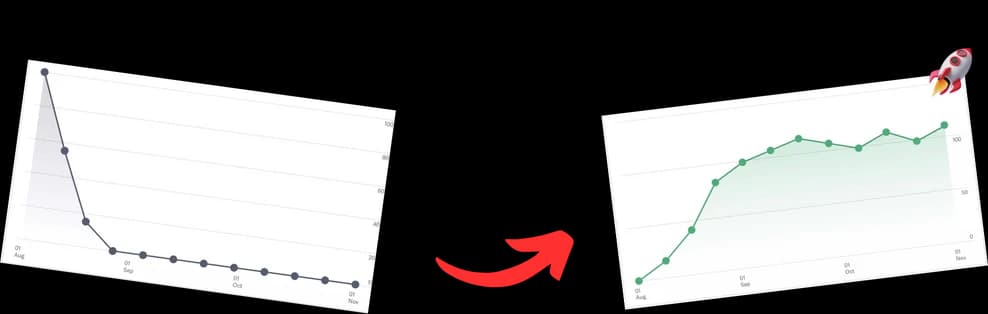
YouTube tags are more than just keywords; they are the invisible signposts that guide the algorithm and new viewers directly to your content. A generic approach yields generic results, leaving your videos undiscovered. To truly stand out in a crowded space, you need a precise, niche-specific strategy that tells YouTube exactly who your audience is and what your video is about. A well-crafted tag list for youtube videos is a critical component of search engine optimization (SEO), directly influencing your video's discoverability in both search results and suggested video feeds.
This guide moves beyond simple keyword stuffing and into actionable frameworks. We will provide 8 distinct, powerful tag lists designed for modern content formats, from educational deep dives and long-form podcasts to gaming walkthroughs and hyper-targeted SEO strategies. You will learn not just what tags to use, but why they work and how to adapt them for your channel. We will show you how to analyze, customize, and implement tags that drive meaningful discovery. This article provides the specific, ready-to-use lists you need to stop guessing and start growing, turning a tedious task into a repeatable strategic advantage for your channel.
1. Niche-Specific Tag Lists (Educational Content)
Creating educational content requires a strategic approach to YouTube tags, focusing on keywords that capture user learning intent. This method involves blending broad, subject-level tags with highly specific, long-tail keywords that match exact search queries from learners seeking knowledge. This ensures your tutorials and guides appear in front of a motivated audience actively looking to acquire a new skill.

This tag list for YouTube is fundamental for discoverability because it directly aligns with how users search for instructional content. Channels like Traversy Media and Code with Harry succeed by meticulously targeting both general programming concepts and niche problem-solving queries, ensuring their videos serve learners at every stage of their journey.
Strategic Breakdown and Examples
To effectively tag your educational videos, think like a student. What specific questions would they ask? Structure your tags in layers, moving from general to specific.
-
Broad Subject Tags: These establish the main category.
python tutorialgraphic designdigital marketing
-
Specific Topic Tags: These narrow the focus to a particular concept or tool.
python for data scienceadobe illustrator basicsseo strategy 2024
-
Long-Tail & Intent-Based Tags: These capture precise search queries.
how to build a web scraper with pythonlogo design tutorial for beginners illustratorhow to do keyword research for google
-
Audience Level Tags: These help viewers self-select content appropriate for their skill level.
react js for beginnersadvanced photoshop techniquesintermediate financial planning
Actionable Takeaways
- Combine Broad and Specific Tags: Use a mix of general category tags and highly specific, long-tail keywords to maximize your reach.
- Add Difficulty Modifiers: Include terms like "for beginners," "advanced," or "masterclass" to attract the right audience and improve click-through rates.
- Align Tags with Video Chapters: Structure your video with clear learning modules and use corresponding keywords in your tags. This is particularly effective if you're exploring how to make educational videos with chapter-based navigation.
- Analyze Competitors: Use YouTube Studio's analytics to see which tags are driving traffic to popular educational videos in your niche and adapt your strategy.
2. Podcast & Long-Form Audio Tag Lists
Tagging long-form content like podcasts and audio essays requires a strategy that prioritizes topic discoverability and in-video navigation. This method involves combining broad podcast-related tags with highly specific keywords that highlight guest names, discussion points, and episode themes. The goal is to make multi-hour content searchable, not just as a whole, but for the specific segments and conversations within it.
This tag list for YouTube is crucial for long-form creators as it caters to viewers seeking deep-dive conversations. Channels like the Joe Rogan Experience and the Tim Ferriss Show master this by tagging not just the guest's name but also their expertise and the specific topics discussed, turning a single episode into dozens of potential entry points for new viewers.
Strategic Breakdown and Examples
To tag your podcast effectively, think about the micro-topics within your macro-conversation. What specific ideas, names, or questions are mentioned? Structure your tags to capture both the overall episode and its individual parts.
-
General Format Tags: These identify the content type.
podcastinterviewlong-form discussion
-
Episode-Specific Tags: These provide unique identifiers for the episode.
[podcast name] episode 123[guest name] interview[series name] podcast
-
Topical & Guest-Focused Tags: These highlight key subjects and expertise.
joe rogan elon musk(Guest + Host)neuroscience podcast(Field of expertise)startup founder advice(Discussion topic)
-
Niche & Thematic Tags: These attract viewers interested in specific themes.
true crime storiesbusiness motivationsports commentary analysis
Actionable Takeaways
- Tag Guests and Topics Separately: Create individual tags for your guest's name, their company or field, and each major topic covered.
- Use Series and Episode Tags: Combine a consistent series tag (e.g.,
the daily stoic podcast) with a unique episode tag (e.g.,episode 451) to encourage binge-watching. - Align Tags with Chapter Markers: For long videos, use a tool like TimeSkip to generate chapter timestamps and create specific tags that match the chapter titles. This boosts SEO for in-video searches.
- Leverage Timestamps: Mention key discussion points with timestamps in your description and use related keywords in your tags to help YouTube’s algorithm understand the video’s structure.
3. Gaming & Streaming Content Tag Lists
Gaming content demands a highly specific tag strategy that caters to dedicated player communities, from casual viewers to hardcore speedrunners. This approach involves layering tags related to the game title, specific in-game content like quests or bosses, and the type of content being presented, such as a walkthrough or a challenge run. This precision helps your videos surface in a crowded vertical by targeting viewers searching for solutions or entertainment related to exact gameplay moments.

This tag list for YouTube is crucial because the gaming audience often searches with hyper-specific intent. Creators specializing in titles like Elden Ring or Baldur's Gate 3 thrive by tagging individual boss names, locations, and questlines, ensuring their guides appear exactly when a player gets stuck. Similarly, streamers like Valkyrae who upload highlights use tags that capture funny moments or epic plays, appealing to a different kind of viewer intent.
Strategic Breakdown and Examples
To tag your gaming content effectively, think like a player. What part of the game are they stuck on? What challenge are they trying to watch? Your tags should mirror their search behavior.
-
Broad Game Tags: Establish the primary game and genre.
Elden RingBaldur's Gate 3MMORPG gameplay
-
Specific Content Tags: Pinpoint the exact in-game subject.
Elden Ring Malenia boss fightBG3 Astarion quest guideFinal Fantasy XIV Endwalker raid
-
Content Format & Challenge Tags: Define the type of video.
speedrun world record100% completion walkthroughgaming fails compilation
-
Streamer & Community Tags: Connect with your streaming brand and audience.
Valkyrae highlightsTwitch stream funny momentsSykkuno among us
Actionable Takeaways
- Tag In-Game Milestones: Use specific tags for bosses, levels, quests, or unique items. This captures high-intent searches from players needing immediate help.
- Combine Game & Content Type: Pair the game title with the video format, such as
Baldur's Gate 3 walkthrough part 1orValorant competitive tips. - Align Tags with Chapters: For long-form walkthroughs or guides, create chapter markers for key moments and mirror those chapter titles in your tags for enhanced SEO.
- Monitor Gaming Trends: Use YouTube's search suggestions to find what players are currently searching for related to a game and add those trending keywords to your tag list.
4. SEO & Long-Tail Keyword Tag Lists
Data-driven tag strategies prioritizing long-tail keywords are essential for maximizing organic reach. This approach focuses on specific, multi-word phrases that reflect user intent, targeting lower-competition queries to attract highly qualified viewers. By aligning with both YouTube and Google search algorithms, these tags can significantly improve a video's discoverability for very specific problems or questions.
This tag list for YouTube is crucial for new or growing channels trying to rank in competitive niches. Instead of competing for broad terms like "vlogging camera," you target specific searches like "best vlogging camera under $500 for beginners." Channels like Ahrefs and Backlinko demonstrate the power of this method by creating content that answers precise SEO and marketing questions, capturing motivated traffic directly from search.
Strategic Breakdown and Examples
To implement this strategy, you must think like a search engine user trying to solve a specific problem. Your tags should mirror the exact language they would use.
-
Broad Root Keywords: These provide general context for the algorithm.
youtube growthvideo editingpython tutorial
-
Specific Modifier Tags: These add detail and narrow the audience focus.
youtube channel growth strategybudget video editing laptoppython web scraping
-
Long-Tail & Question-Based Tags: These capture precise, high-intent search queries.
how to grow youtube channel organically without payingbest budget laptop for video editing 2024beginner friendly python web scraping tutorial
-
Semantic Variation Tags: These use related terms to capture a wider range of similar searches.
get more youtube subscribers fastaffordable laptop for premiere prolearn python data extraction
Actionable Takeaways
- Prioritize Long-Tail Tags: Start your tag list with 3-5 of the most specific, long-tail keywords that perfectly describe your video's content. Add broader tags after.
- Align Tags with Chapters: Structure your video chapters using long-tail keyword variations. This reinforces SEO signals and helps your video rank for multiple related search terms.
- Use AI for Research: Leverage AI-powered keyword research tools to uncover high-value, low-competition long-tail phrases that your audience is actively searching for.
- Analyze and Adapt: Regularly use YouTube Studio analytics to see which tags drive the most traffic. Adjust your tag strategy monthly based on performance data and evolving search trends. To learn more about this process, explore this comprehensive long-tail keyword strategy guide.
5. Trending & Seasonal Tag Lists
Dynamic tag strategies capitalize on current trends, seasonal events, and viral moments to capture explosive, short-term search interest. This approach involves aligning your content with real-time search behavior, using keywords that have a temporary but massive surge in volume. For this tag list for YouTube, the goal is to ride the algorithmic wave of what's currently popular, gaining an immediate visibility boost.
This method is crucial for relevance because it connects your channel to ongoing cultural conversations. Creators like MrBeast excel by tapping into viral challenges, while entertainment news channels get immense traffic by reacting to trending celebrity or movie news. The key is speed and relevance, as the value of these tags diminishes rapidly after the trend peaks.
Strategic Breakdown and Examples
To effectively use trending tags, you must act fast and think in terms of immediacy. What are people searching for right now? Structure your tags to capture this fleeting interest while including evergreen terms for long-term value.
-
Holiday & Seasonal Tags: These are predictable and can be planned in advance.
black friday 2024 dealschristmas gift guidesummer travel destinations
-
Entertainment Trend Tags: Capitalize on new movies, TV shows, or celebrity news.
[Movie Title] review[Celebrity Name] interview reactionnew season [TV Show] explained
-
Viral Challenge & Meme Tags: Jump on challenges and memes as they emerge.
[Viral Challenge Name] attempttrying tiktok trends[Meme Name] origin
-
Current Event Tags: Relate your niche to breaking news or significant events.
tech announcements [Event Name] 2024market reaction to [News Event][Political Event] explained for beginners
Actionable Takeaways
- Act with Urgency: The value of a trending tag can decrease by over 50% within 48 hours of its peak. Monitor trends daily and publish content quickly to maximize impact.
- Balance with Evergreen Tags: Combine trending tags with broader, evergreen keywords related to your niche to ensure your video continues to attract viewers after the trend has faded.
- Monitor Trends Proactively: Regularly check the YouTube Trending tab, Google Trends, and social media platforms to spot emerging keywords before they become saturated. Understanding the latest search trends on YouTube is a key part of this strategy.
- Specify Dates and Years: Add years or specific dates (e.g.,
black friday 2024) to your tags to capture highly targeted searches related to time-sensitive events.
6. Brand & Creator Identity Tag Lists
Building a strong brand on YouTube requires treating your channel name and community as powerful keywords. This strategy involves creating a personalized tag list for YouTube focused on your unique brand, creator name, and community-specific terms. These tags reinforce your channel's authority, help loyal subscribers find your new content, and signal to the algorithm what your channel is about, improving topical relevance.
This approach is crucial for long-term growth because it transforms your channel from a collection of videos into a recognizable brand. Creators like MrBeast have mastered this by ensuring every video is tagged with variations of "MrBeast," making his entire content library interconnected and easily discoverable for both new and existing viewers. This creates a powerful content ecosystem centered around his brand identity.
Strategic Breakdown and Examples
To implement this, you need to think of your channel name and series titles as core search terms. Dedicate a portion of your tag space to reinforcing this identity, ensuring the algorithm connects all your content together under a single brand umbrella.
-
Core Brand Tags: These are non-negotiable and should be on every video.
mrbeastmkbhdpewdiepie
-
Branded Content-Specific Tags: These link a video to your brand and its specific content type.
mrbeast challengemkbhd reviewpewdiepie lets play
-
Series Tags: Use these to group episodes of a recurring show, improving binge-watching.
hot ones season 20good mythical morning episodedude perfect overtime
-
Community Identity Tags: These tags foster a sense of belonging and are searchable by your core fanbase.
bro army(PewDiePie)logang(Logan Paul)sad milk(TheOdd1sOut & Jaiden Animations' podcast)
Actionable Takeaways
- Be Consistent with Your Core Tag: Always include your primary channel name or creator name as a tag in every single video to build algorithmic authority.
- Create Branded Series Tags: If you have a recurring content format, give it a unique name and use it as a consistent tag to link all episodes together.
- Balance Branded and Discovery Tags: Allocate around 20-30% of your tag character limit to branded tags. Use the rest for broader, topic-specific keywords to attract new viewers.
- Promote Your Tags: Mention your series names and channel name in your video's spoken content and description to reinforce these keywords and encourage branded searches.
7. Competitor Analysis & Reverse Engineering Tag Lists
A powerful research-based strategy involves analyzing top-performing videos and channels within your niche to reverse engineer their tag lists. This tactical approach uses competitive intelligence to uncover high-performing keywords and market gaps, enabling a data-driven tag list for YouTube that mirrors what is already proven to work. It’s about learning from success to inform your own optimization.
This method is crucial because it removes guesswork from your SEO strategy. Instead of starting from scratch, you begin with a baseline of tags that have helped your competitors rank highly. To effectively reverse engineer competitor tag lists, it's crucial to first understand how to find competitors, a strategy which can be adapted for YouTube channels. This allows you to build a more effective and targeted tag list from day one.
Strategic Breakdown and Examples
Success with this method comes from systematic analysis, not blind copying. Identify themes and patterns, then adapt them to your unique content angle.
-
Top 10 Video Analysis: Search for your main target keyword (e.g.,
healthy meal prep) and analyze the tags from the top 5-10 ranking videos.meal prephealthy eatingweekly meal prep
-
Channel-Level Tag Patterns: Examine the tags used across a top competitor's most popular videos to find their core keyword themes.
fitness journeyweight loss mealshigh protein recipes
-
Gap Identification: Find keywords your competitors use sparingly that align perfectly with your unique video content.
vegan meal prep for athletesbudget meal prep under $50no cook meal prep ideas
-
Tool-Assisted Extraction: Use browser extensions like TubeBuddy or VidIQ to instantly view the tags on any public YouTube video.
easy meal prep for beginnersmeal prep for the weekwhat I eat in a week
Actionable Takeaways
- Follow the 70/30 Rule: Use competitor-inspired tags for about 70% of your tag list to capitalize on proven keywords, but reserve 30% for original, hyper-specific tags unique to your video.
- Create a Competitor Tag Spreadsheet: Track the core tags of 3-5 main competitors. Monitor their performance monthly to spot emerging keyword trends.
- Analyze, Don't Just Copy: Look for the why behind their tags. Are they targeting a specific audience, question, or trend? Adapt the strategy, not just the keywords.
- Combine with Keyword Research: Use insights from your competitor analysis as a starting point for deeper keyword research with tools like SEMrush to find related, less competitive long-tail variations.
8. Multi-Language & Geographic Tag Lists
To break into new international markets, creators must use localized and geographic tag strategies that cater to specific countries, languages, and regions. This approach involves more than direct translation; it requires understanding cultural search nuances and regional dialects. These tags are crucial for geographic expansion, helping your content get discovered by multilingual audiences and aligning with YouTube's regional ranking algorithms.
This specialized tag list for YouTube is essential for creators aiming for global reach. Channels like MrBeast have mastered this by creating dedicated international channels with fully localized metadata, while travel vloggers like Hey Nadine and Nas Daily use geographic tags to attract viewers interested in specific destinations, ensuring their content resonates with both local and international audiences.
Strategic Breakdown and Examples
To effectively tag for global audiences, think from the perspective of a native speaker in your target region. What terms and phrases would they use? Structure your tags to cover language, country, and specific regional interests.
-
Language-Specific Tags: These target users searching in their native language.
como hacer [topic](Spanish)[topic] en español(Spanish)tutorial français(French)
-
Geographic & Regional Tags: These narrow the audience down to a specific country or region, often blending languages.
[topic] UKhow to [topic] Britaindigital marketing India
-
Translated Broad Topic Tags: Use native terms for your niche to capture a wider audience.
チュートリアル(Tutorial in Japanese)教程(Tutorial in Mandarin)튜토리얼(Tutorial in Korean)
-
Hybrid Tags (English + Local): These can capture bilingual audiences or expats searching for local content in English.
vlog Tokyolearn german Berlinfood tour Mexico City
Actionable Takeaways
- Create Separate Tag Sets: Avoid mixing multiple languages in a single tag block. Dedicate specific tag sets for each language or region you target to send clear signals to the algorithm.
- Use Geo-Targeted Research Tools: Leverage Google Trends and set the country filter to your target market to discover trending regional topics and culturally relevant keywords.
- Validate Cultural Nuances: Partner with native speakers or translators to ensure your tags are culturally appropriate and align with local search behavior, avoiding awkward or incorrect phrasing.
- Test One Market at a Time: Focus your efforts on a single new geographic market first. Analyze the performance data in YouTube Studio before expanding to other regions to refine your strategy.
8-Category YouTube Tag List Comparison
| Tag Type | 🔄 Implementation Complexity | ⚡ Resources & Speed | ⭐ Expected Effectiveness | 📊 Expected Outcomes | 💡 Ideal Use Cases |
|---|---|---|---|---|---|
| Niche-Specific Tag Lists (Educational Content) | 🔄 Medium — needs subject expertise and precise keywords | ⚡ Medium — research-heavy; TimeSkip speeds chaptering | ⭐⭐⭐⭐ | 📊 Higher retention; better ranking for learning queries | 💡 Long-form tutorials, courses; structure chapters by module |
| Podcast & Long-Form Audio Tag Lists | 🔄 Medium — requires consistent episode/guest tagging strategy | ⚡ High — long episodes need time; TimeSkip cuts timestamping effort | ⭐⭐⭐⭐ | 📊 Improved navigation and listener retention; timestamping effort ↓95% | 💡 Full-length podcasts, interviews (up to 4 hrs) |
| Gaming & Streaming Content Tag Lists | 🔄 Medium — frequent updates for new releases and moment tagging | ⚡ Medium — rapid tagging needed; TimeSkip auto-generates gameplay chapters | ⭐⭐⭐⭐ | 📊 Increased rewatch value; spikes on new/trending titles | 💡 Stream highlights, walkthroughs, boss fights, speedruns |
| SEO & Long-Tail Keyword Tag Lists | 🔄 High — requires ongoing data analysis and keyword testing | ⚡ Medium — tooling required; TimeSkip AI assists discovery | ⭐⭐⭐⭐⭐ | 📊 Better SERP rankings; up to +220% visibility (per TimeSkip data) | 💡 Niche tutorials and informational videos targeting specific queries |
| Trending & Seasonal Tag Lists | 🔄 Low–Medium — quick to adopt but highly time-sensitive | ⚡ High — requires very fast production and posting | ⭐⭐⭐⭐ | 📊 Rapid view velocity and social amplification; short shelf-life | 💡 Holiday guides, reaction videos, viral challenge content |
| Brand & Creator Identity Tag Lists | 🔄 Low — set up consistent branded and series tags | ⚡ Low — minimal ongoing effort once established | ⭐⭐⭐⭐ | 📊 Stronger channel authority, improved subscriber retention | 💡 Established creators, recurring series, community-driven channels |
| Competitor Analysis & Reverse Engineering Tag Lists | 🔄 High — requires competitor harvesting and regular monitoring | ⚡ Medium — research/tools needed but yields efficient targeting | ⭐⭐⭐⭐ | 📊 Faster identification of high-performing keywords; reduces guesswork | 💡 Channels aiming for growth via niche benchmarking |
| Multi-Language & Geographic Tag Lists | 🔄 High — localization, translation, and cultural validation required | ⚡ High — more resources for translations/testing; TimeSkip supports regional filters | ⭐⭐⭐⭐ | 📊 2–5x traffic potential with successful localization | 💡 Global expansion, multilingual audiences, region-specific trends |
From Tags to Triumphs: Your Action Plan for YouTube Growth
We've explored the strategic depth behind effective YouTube tagging, moving far beyond simple keyword stuffing. You now have a comprehensive toolkit filled with niche-specific examples, competitor analysis techniques, and advanced strategies for everything from long-tail keywords to multi-language targeting. The core lesson is clear: your tags are not a static afterthought but a dynamic, powerful tool for telling YouTube’s algorithm exactly who your content is for.
By leveraging the detailed examples provided, from gaming and tutorials to podcasts and product reviews, you can build a foundational tag list for youtube that is both relevant and robust. The true power, however, comes from treating this as an ongoing process of refinement, not a one-time task.
Key Takeaways for Immediate Action
To transform these insights into tangible channel growth, focus on these critical actions:
- Implement a Tiered Tagging Strategy: Start every video by combining broad, specific, and branded tags. A balanced mix ensures you capture both high-volume search traffic and highly qualified viewers searching for precise solutions.
- Make Competitor Analysis a Habit: Regularly review the tags of top-performing videos in your niche. This isn't about copying; it's about identifying missed opportunities and understanding the language your target audience uses to find content like yours.
- Embrace Long-Tail Keywords: Go beyond single-word tags. Use specific, multi-word phrases (e.g., "how to edit vlogs for beginners 2024") to attract viewers with high intent who are more likely to watch longer and subscribe.
- Analyze and Adapt: Use YouTube Studio Analytics to see which tags are actually driving views to your videos. Prune underperforming tags from your future strategy and double down on the keywords that deliver results.
The Bigger Picture: Tags as a Pillar of Growth
Mastering your tagging strategy is a critical component of a larger growth ecosystem. While tags directly influence discoverability in search and suggested videos, they work best when paired with compelling thumbnails, engaging titles, and high-retention content. Think of tags as the invisible signposts that guide the right audience to your digital doorstep. Once they arrive, the quality of your content determines if they stay. For a broader perspective on how tagging fits into a holistic channel strategy, you can also explore comprehensive guides on how to grow YouTube subscribers.
Ultimately, a deliberate approach to tagging transforms you from a passive content uploader into a strategic creator who actively shapes your channel's destiny. You are no longer just hoping for views; you are engineering pathways for discovery. This shift in mindset is the foundation of sustainable, long-term success on the platform.
Ready to supercharge your workflow and reclaim hours of manual effort? TimeSkip uses AI to instantly generate SEO-optimized YouTube chapters, descriptions, and relevant tags from your video, boosting discoverability. Stop guessing and start growing by trying TimeSkip today.