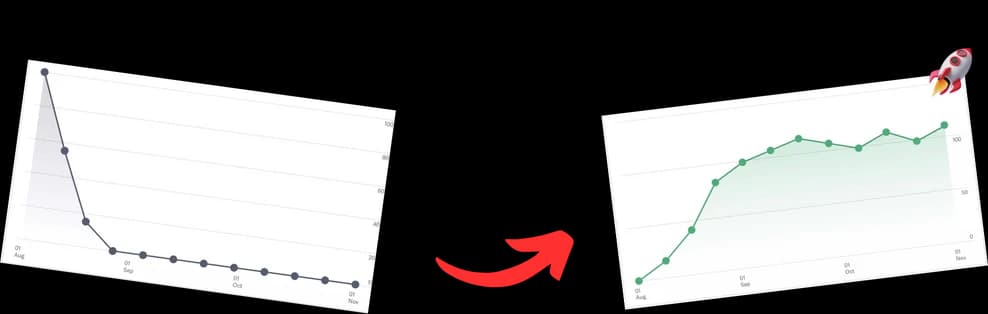
Your channel name made sense when you started. Then the channel changed.
Maybe you began with gaming clips and now publish podcast interviews. Maybe your name still includes your city, a joke, or a niche you left behind a while ago. That mismatch creates friction. New viewers hesitate, returning viewers get confused, and your brand starts looking less intentional than your content is.
To change channel name on youtube well, you need more than the button clicks. You need to know what will change, what won't, where YouTube hides the setting, and when a rebrand helps search instead of hurting it. The same way site owners think through redirects and brand equity during a domain move, creators should think through naming changes as an identity shift, not a cosmetic edit. If you're already thinking along those lines, this guide for SEO pros changing domains is a useful parallel because the core issue is the same: preserve trust while changing what people see.
Before changing the rest of the channel identity, you can use the YouTube profile picture downloader to save a reference copy of the current public avatar.
Why Rebranding Your YouTube Channel Matters
A YouTube name does two jobs at once. It tells people what kind of creator you are, and it helps frame how your channel appears in search, recommendations, and mentions across the platform. If that name is outdated, every new upload has to work harder to explain what your channel is about.
A weak channel name usually fails in one of three ways:
- It traps you in an old niche. A name tied too tightly to one topic gets awkward when your content expands.
- It sounds personal when your channel is a brand. That can work for solo creators, but it limits perceived scale if you're building a media property.
- It says nothing useful. Abstract names can work, but only if the rest of your branding is already strong.
Practical rule: If a first-time viewer sees your channel name beside a thumbnail and still can't guess your topic, your name is probably working against you.
A good rebrand tightens the whole package. Your channel name, handle, banner, thumbnails, intro language, and video chapters should point in the same direction. That matters even more for long-form creators. When you publish tutorials, interviews, or podcasts, viewers don't just judge your latest video. They judge whether your whole library looks organized and trustworthy.
Creators often wait too long because they don't want to break momentum. That's understandable, but staying with the wrong name creates its own cost. A mismatched name confuses referrals, weakens word-of-mouth, and makes collaborations less clean.
The right approach is simple. Choose the name strategically, confirm what account type you're working with, then make the change once with a plan behind it.
Changing Your YouTube Name on a Desktop
Desktop is still the cleanest place to handle a rebrand because YouTube Studio gives you the full channel customization view in one place.

Accessing channel customization
Open YouTube in your browser and sign in to the channel you want to edit. Click your profile image in the top-right corner, then open YouTube Studio.
Inside Studio, look at the left sidebar and open Customization. From there, go to the Basic info tab, where YouTube lets you edit the public-facing identity elements people see on your channel.
If you're managing more than one channel, pause here and verify you're in the right one before you edit anything. Channel managers make this mistake more often than they'd like to admit, especially when they switch between client accounts.
Editing your name and handle
In Basic info, you'll usually see separate fields for your Name and your Handle. These aren't the same thing.
- Channel name is the main label viewers see on your channel page and under your videos.
- Handle is your @name. People use it for mentions, tags, and direct identity across YouTube.
You can change one without changing the other, but in practice they should usually support each other. If your channel name becomes "Northbound Interviews" while your handle is still something unrelated from an old brand, the rebrand feels incomplete.
Here’s the practical flow:
- Edit the name field first. Write the exact public name you want viewers to see.
- Check the handle field next. If your ideal handle is available, claim the closest clean match.
- Review spelling and spacing carefully. YouTube naming mistakes are more annoying than difficult. Most problems come from rushing.
- Click Publish to save the update.
YouTube checks name availability when you enter a new one and will tell you if that identity is already in use, based on its channel-name validation process described in YouTube's name change help documentation.
Your handle should make it easier to find you, not force viewers to decode creative punctuation, random numbers, or leftover branding from a previous era.
What works on desktop and what doesn't
What works is choosing a name before you open Studio. Decide in advance how it will appear in thumbnails, descriptions, guest appearances, and channel art. Keep a short list, then test which one is easiest to say out loud and easiest to type correctly.
What doesn't work is improvising in the settings panel. That's how creators end up with awkward spacing, inconsistent capitalization, or a handle that doesn't match the brand they thought they were building.
Desktop makes the process easy. The strategy still matters more than the click path.
Updating Your Channel Name on Mobile (Android and iOS)
A lot of creators manage their channel from a phone, especially if they're uploading Shorts, replying to comments between shoots, or making quick branding fixes while traveling. You can change your channel identity from mobile. The interface is just more compressed than desktop.

The mobile tap path
Start in the YouTube app while signed into the correct channel. Tap your profile picture, then go to View channel. From there, look for the option to Edit channel.
On mobile, YouTube usually presents the editable fields in a simpler panel than desktop. You won't get the same broad Studio layout, but the task is the same. Update the visible channel name, then review the handle if YouTube shows it in the same editing flow.
The easiest way to avoid mistakes on mobile is to move slowly through each field. Autocorrect and small-screen editing create more naming errors than creators expect.
Mobile differences that catch people off guard
The biggest difference is context. On desktop, the Studio interface makes it obvious you're editing brand-level settings. On mobile, the process feels lighter, almost like you're changing a profile label. That leads some creators to make casual edits they haven't thought through.
Keep these points in mind:
- Check the signed-in identity. Many creators have multiple Google accounts on one phone.
- Review both fields. If the app shows both name and handle, don't update one and forget the other.
- Confirm the result on desktop later. Mobile is fine for making the change, but desktop is better for verifying the full brand presentation.
A phone is good for execution. It's not the best place to make branding decisions for the first time.
If you only need to fix formatting, remove an old niche term, or align your public name with a broader rebrand you've already decided on, mobile works fine. If you're still debating your new identity, wait until you're at a larger screen and can review your banner, video grid, and channel trailer in one sitting.
Personal vs Brand Accounts What You Must Know Before Changing
Creators frequently make expensive mistakes. The process for changing a name can look simple, but the account type behind the channel changes the consequences.

The practical difference
A personal account is tied closely to your individual Google identity. A Brand Account is built to act more like a separate business presence.
That distinction matters because a personal setup is usually fine when you're a solo creator testing ideas. It becomes limiting when your channel turns into a company asset, a team project, or a long-term media brand.
Here's the clean comparison:
| Account type | Best for | Main risk when renaming |
|---|---|---|
| Personal account | Solo creators who want simplicity | Your YouTube identity isn't as separate from your Google identity |
| Brand Account | Teams, businesses, long-term brands | More setup complexity, but better long-term flexibility |
Why personal accounts create friction
If your channel is attached to your personal Google identity, your naming choices carry more baggage. That's manageable when your own name is the brand. It gets messy when the channel needs to grow beyond you.
This is the usual pattern. A creator starts with their own name, then later wants a niche brand, a show title, or a company name. At that point, the personal account structure feels too tight.
If you're still early, keep it simple. If you're building something with collaborators, editors, or future ownership changes, it often makes sense to think like a business sooner rather than later. Creators working toward that level of channel maturity often benefit from broader planning around packaging, publishing systems, and ownership structure, not just naming. For creators at this stage, resources like advice on starting a successful YouTube channel can help frame the bigger picture.
Why Brand Accounts are usually better for rebrands
Brand Accounts give you more room to operate like an actual brand. That's useful if more than one person touches the channel or if the channel may outgrow the founder's name.
They also fit rebranding better because the public identity is less entangled with your personal Google presence. That doesn't mean you should rename casually. YouTube still puts guardrails around the process.
According to YouTube's policy for editing channel names, you can change a channel name a maximum of two times within a 14-day period, a name change can take up to three days to update fully across YouTube services, and changing the name automatically removes the verification badge on verified channels.
That last point matters. A verified creator shouldn't treat a rename like a harmless tweak. If the badge matters to sponsors, press, guests, or audience trust, the timing of your rebrand needs more thought.
If your channel is verified, assume a rename has a brand cost. Make sure the new name is worth paying it.
What to check before you click save
Before changing anything, answer these questions:
- Who owns the channel operationally. If more than one person manages uploads, access, or sponsorships, a Brand Account is usually the safer structure.
- Is the channel meant to outlast the founder's personal identity. If yes, brand-first naming is cleaner.
- Would losing verification create confusion right now. If yes, delay the rename until the brand shift is fully ready.
- Are you still testing names. If yes, don't burn through YouTube's change limit on indecision.
Most name-change problems aren't technical. They're structural.
SEO Best Practices for Your New Channel Name
A better name isn't just one you like. It's one that helps the right viewer understand you fast, remember you later, and find you again.

Choose clarity before cleverness
The strongest YouTube channel names usually do at least one of these things well:
- Signal the niche. The viewer can infer the topic without extra decoding.
- Stay broad enough to grow. You aren't boxed into one content format you may outgrow.
- Sound good out loud. If a guest recommends your channel on a podcast, the name should be easy to catch and spell.
- Match available branding elsewhere. A good YouTube name becomes stronger when the handle and social presence line up.
A lot of creators overdo keyword logic. They cram in terms they think the algorithm wants, and the result sounds stiff. That's bad branding and weak recall. Use relevant words, but don't turn the channel name into a search query.
If you're stuck in brainstorming mode, a structured naming prompt helps more than random inspiration. A tool like this YouTube channel name generator can be useful for producing variations around your niche, format, and voice, especially when you want options that aren't generic.
Think beyond the channel header
Your name doesn't work alone. It works with your thumbnails, your banner, your video titles, your about page, and the way your content is organized.
For long-form creators, this matters even more. The channel name supports the whole viewing experience. As noted in this explanation of YouTube channel customization and chapters, the name sits inside a broader YouTube Studio setup, and for channels publishing long-form content, branding works alongside features like chapters that help viewers access parts of videos as your niche evolves.
That means a smart name should support your library, not just your homepage. If your channel is becoming more educational, interview-driven, or search-oriented, choose a name that still fits when viewers discover an older evergreen upload months later.
The best YouTube names reduce explanation. The viewer shouldn't need your banner, trailer, and bio to understand what business you're in.
A few naming filters I use in practice:
- Can someone spell it after hearing it once?
- Does it still fit if the channel broadens slightly?
- Does it look clean next to a thumbnail?
- Does the handle look normal, or forced?
- Would you still want this printed on merch, a media kit, or an email signature?
This walkthrough can help if you want to see creator branding choices in action before you finalize the rename.
What usually fails
Names usually fail for predictable reasons:
- They chase a trend instead of reflecting the channel's long-term subject.
- They include clutter like extra symbols, numbers, or filler words.
- They over-niche the brand so every future pivot feels awkward.
- They sound polished but mean nothing.
A name change is one of those decisions that feels small in the settings panel and big everywhere else. Treat it like foundational branding, because that's what it is.
Troubleshooting and Frequently Asked Questions
Will I lose subscribers or watch time if I change my name
Your channel name change doesn't mean you're starting a new channel. Your videos, subscriber base, and channel history stay attached to the channel itself. What changes is the public identity viewers see.
The risk isn't losing the channel's underlying history. It's confusing people if the new name doesn't connect clearly to the content they already know you for. That's why channel banners, profile images, and upload messaging should change in sync.
Why isn't my new name showing everywhere yet
Because YouTube doesn't update every surface instantly. After a name change, the platform may take up to three days to fully update the new name across its services, as noted earlier from YouTube's own policy.
If your homepage shows the new name but some older surfaces don't, that's normal during the propagation window. Wait before assuming the edit failed.
Why can't I change my name again
The most common reason is that you've hit YouTube's rename limit. If the option is grayed out or blocked, check whether you've already used the allowed changes within the current window.
If you're unsure which channel you're editing, verify the exact channel identity first. A quick check with a YouTube channel ID finder can help you confirm you're looking at the right asset, especially when you manage multiple channels with similar branding.
What if my preferred new name isn't available
YouTube checks availability when you enter the name. If the name is already in use, you'll need to choose another version.
Don't solve that by stuffing in random characters. Adjust the wording instead. Add a clean niche modifier, a format word, or a broader brand term that still sounds intentional.
What should I do right after the rename
Use the first post-change session to clean up the obvious mismatch points:
- Update your banner and profile image if they still reflect the old brand.
- Review your channel description so the wording matches the new positioning.
- Check your latest video descriptions and pinned comments for old naming references.
- Tell your audience directly if the change is significant enough to create confusion.
The technical rename is quick. The brand cleanup is what makes the change stick.
If you're rebranding a long-form YouTube channel, don't stop at the name. Strong discoverability also depends on clean video structure, especially chapters and timestamps. TimeSkip helps creators generate SEO-friendly YouTube chapters fast, which makes podcast episodes, tutorials, and interviews easier to follow and easier to understand at a glance. If your channel identity is getting sharper, your video organization should too.