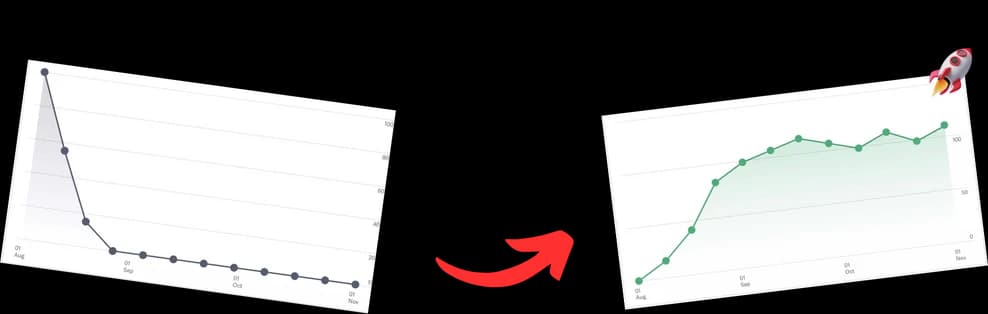
YouTube is more than a video-sharing platform; it's the second-largest search engine in the world, handling billions of queries every single day. For creators aiming for significant growth, this fact changes everything. Tapping into the top searched keywords on YouTube isn't just about chasing fleeting trends. It's about a strategic alignment of your content with the specific problems, questions, and interests your target audience is actively trying to solve.
This comprehensive guide moves beyond generic lists of popular terms. We will dissect the most valuable keyword categories, from broad, high-volume queries to niche-specific long-tail phrases. You will learn not just what people are searching for, but why they are searching for it, allowing you to tailor your content to meet their exact needs.
We will provide a practical, step-by-step framework for integrating these high-intent keywords directly into your:
- Video Titles: Crafting headlines that are both clickable and discoverable.
- Video Descriptions: Writing optimized copy that informs the algorithm and hooks viewers.
- Video Chapters: Using timestamps to target hyper-specific search queries and improve user experience.
By mastering the language your audience uses, you can transform your channel from a content repository into a powerful discovery engine. This approach drives sustainable organic growth, connecting you with viewers who are looking for the exact value you provide. This deep dive will equip you with the insights and tools needed to not just rank higher in search results, but to resonate deeply with your viewers and build a loyal, engaged community around your content.
1. YouTube Video SEO
YouTube Video SEO is the strategic process of optimizing your videos, channel, and metadata to rank higher in YouTube's search results. Much like traditional SEO for websites, it involves a deep understanding of what your audience is searching for and structuring your content to meet that demand. This foundational practice is crucial because it directly connects your videos with users actively seeking your content, making it a powerful driver of organic views and subscriber growth.
The core of YouTube SEO revolves around signaling relevance to the algorithm. This includes keyword research to identify the top searched keywords on YouTube within your niche, crafting compelling titles, writing keyword-rich descriptions, and utilizing relevant tags. However, a modern and highly effective component is the strategic use of video chapters.
How Chapters Supercharge Your SEO
Video chapters, or timestamps, break your video into distinct, navigable sections. Each chapter title becomes an opportunity to target a new, specific keyword, effectively allowing a single video to rank for multiple search queries. For instance, a long-form tutorial on "social media marketing" can have chapters like "Creating a Content Calendar" and "Analyzing Instagram Insights," each capable of ranking independently.
Key Insight: AI-powered tools like TimeSkip can generate keyword-optimized chapters in seconds. This not only saves immense time but also enhances your video's ability to appear in Google Search's "Key Moments" feature, significantly boosting discoverability outside of YouTube.
Actionable Implementation Strategy
To leverage this for your channel, follow these steps:
- Generate Chapters Immediately: Use a tool like TimeSkip to create chapters as soon as you upload. The AI analyzes your transcript to suggest relevant, keyword-focused sections.
- Optimize Chapter Titles: Refine the AI-generated titles to include long-tail variations of your primary keyword. Think about specific questions your viewers might ask.
- Analyze and Refine: Monitor your YouTube Analytics under "Traffic Sources > YouTube Search" to see which chapter-related keywords are driving views.
- Revitalize Old Content: Add optimized chapters to your older, high-performing videos. This simple update can trigger a re-evaluation by the algorithm and give the content a new surge in visibility.
2. YouTube Chapters and Timestamps
YouTube Chapters are navigable sections within a video that break longer content into digestible parts, allowing viewers to jump directly to specific timestamps. This native feature enhances user experience by giving viewers control over their consumption, which can significantly increase engagement and session watch time. More importantly, chapters provide powerful signals to YouTube's algorithm about the structure and topics covered in your video, turning a single piece of content into a multi-faceted asset that can rank for numerous search queries.

The strategic advantage of chapters lies in their ability to target multiple top searched keywords on YouTube within a single upload. Each chapter title acts as a mini-headline, indexed by YouTube and Google, creating new entry points for viewers. For example, a podcast episode can have chapters for each discussion segment, a tutorial can have chapters for each step, and an educational video can have chapters for each lesson, multiplying its discoverability.
How Chapters Supercharge Your SEO
By meticulously naming each chapter with a keyword-focused title, you tell the algorithm exactly what each part of your video is about. This precision allows your content to appear in search results for highly specific, long-tail queries that you might not have targeted otherwise. It effectively transforms one video into a dozen or more searchable micro-videos, each competing for a distinct viewer intent.
Key Insight: Manually creating chapters can be tedious, taking over 30 minutes per video. AI tools like TimeSkip automate this entire process, generating SEO-optimized chapters in under five seconds. This efficiency allows creators to focus on content while ensuring every video is fully optimized for maximum search visibility from the moment it's published.
Actionable Implementation Strategy
To leverage this for your channel, follow these steps:
- Generate Chapters Immediately: As soon as you upload, use a tool like TimeSkip to instantly create chapters. The AI analyzes your transcript to suggest relevant, keyword-focused sections that align with viewer search behavior.
- Optimize Chapter Titles: Refine the AI-generated titles to answer specific questions or address problems your audience is searching for. Include primary and long-tail keyword variations.
- Analyze and Refine: Use YouTube Analytics to track which chapter titles are driving the most search traffic. Double down on the formats and keywords that perform best in future videos.
- Revitalize Old Content: Add chapters to your existing, high-performing videos. This simple update can re-introduce the content to the algorithm and generate a fresh wave of organic traffic.
3. YouTube Algorithm and Ranking Factors
The YouTube algorithm is the complex system that determines which videos are recommended, featured, and ranked in search results. Understanding its core ranking factors is essential, as it moves beyond simply finding the top searched keywords on YouTube and focuses on how your video performs once a viewer clicks. Key signals include watch time, click-through rate (CTR), viewer retention, and engagement metrics like likes, comments, and shares.
A crucial, often overlooked, ranking factor is video structure. The algorithm favors content that keeps viewers engaged for longer and provides a clear, user-friendly experience. This is where modern optimization techniques, like strategic chaptering, play a pivotal role. For example, educational channels use chapters to minimize bounce rates by allowing viewers to find answers quickly.
How Chapters Influence Ranking Factors
Video chapters directly improve key metrics the algorithm values. By breaking a video into logical, keyword-rich sections, you enhance the viewer experience, which can significantly increase average view duration and session time. When viewers can easily navigate to the parts of a video they care about most, they are less likely to leave, sending positive retention signals to the algorithm.
Key Insight: AI-driven tools like TimeSkip automatically generate keyword-optimized chapters, directly improving the structural signals that the YouTube algorithm rewards. This not only boosts retention but also makes your video more likely to be featured in SERP features, amplifying its reach.
Actionable Implementation Strategy
To align your content with the algorithm's preferences, follow these steps:
- Prioritize the First 30 Seconds: Your video's intro must be compelling to optimize CTR and immediate retention. Hook your audience quickly to prevent them from clicking away.
- Generate Chapters for Structure: Use a tool like TimeSkip to instantly create chapters. This improves navigability and sends strong structural signals to the algorithm.
- Monitor Retention Graphs: Regularly check your YouTube Analytics to identify where viewers drop off. Use this data to improve pacing and content in future uploads.
- Publish with a Smart Schedule: Consistency signals that your channel is active. Beyond that, knowing the best time to upload YouTube videos can give your new content an initial velocity boost, which is a powerful signal to the algorithm.
4. Long-Form Video Content Optimization
Long-Form Video Content Optimization is the practice of structuring and enhancing videos over 20 minutes to improve viewer engagement and search performance. The primary challenge with long-form content is viewer friction; users often want specific information and are unwilling to scrub through hours of footage. This optimization strategy signals immense value to the YouTube algorithm by making extensive content accessible and user-friendly.
The key to unlocking the potential of long-form videos is to make them as easy to navigate as a library. By breaking down lengthy podcasts, webinars, or deep-dive tutorials into logical sections, you directly address user search intent. This transforms a monolithic video into a collection of discoverable moments, each targeting one of the top searched keywords on YouTube in your niche.
How Chapters Supercharge Your SEO
For long-form content, chapters are not just a feature; they are a necessity. They serve as a navigational table of contents, allowing viewers to jump directly to the parts they care about most, which dramatically improves watch time and satisfaction signals. For instance, a two-hour podcast episode with a guest can have chapters dedicated to specific topics they discussed, like "Early Career Struggles" or "Future Industry Predictions," turning one video into a dozen potential entry points from search results.
Key Insight: Long-form content holds immense authority. AI-powered tools like TimeSkip, which processes videos up to four hours long, can instantly identify and title thematic segments. This ensures your most valuable insights are indexed by YouTube and Google, maximizing your content's long-term search impact.
Actionable Implementation Strategy
To leverage this for your channel, follow these steps:
- Generate Chapters for Lengthy Content: Immediately after uploading a podcast, webinar, or long tutorial, use a tool like TimeSkip to automatically create chapters. The AI is trained to find natural breakpoints in long conversations.
- Optimize Chapter Titles for Intent: Treat each chapter title as a mini video title. Refine the AI suggestions to answer specific questions or include long-tail keywords. For example, change "Talking about Marketing" to "How to Create a Q4 Marketing Budget."
- Repurpose Chapters into Clips: Use your chapter list as a roadmap for creating short-form content. Each timestamped section is a pre-packaged idea for a YouTube Short, TikTok, or Reel.
- Analyze Viewer Navigation: Use YouTube Analytics to see which chapters are most clicked. This data reveals what parts of your content are most valuable to your audience, informing future long-form topics.
5. YouTube Keyword Research and Discovery
YouTube keyword research is the foundational process of identifying the specific words and phrases your target audience uses to find videos. This goes beyond simple guesswork; it involves uncovering high-volume primary keywords, precise long-tail variations, and related search queries to align your content with viewer intent. Mastering this is essential for anyone looking to tap into the vast potential of the top searched keywords on YouTube.
Effective research provides the raw material for your titles, descriptions, tags, and even the content of your video script. However, the most advanced application involves integrating these findings into your video chapters, turning each section of your video into a magnet for a different search query. For example, a video on "Python programming" can have a chapter titled "Python programming for beginners no coding experience," capturing a highly specific long-tail search.
How Chapters Supercharge Your SEO
Manually researching dozens of long-tail keywords for every chapter is a time-consuming task. Modern tools automate this by analyzing your video's transcript and identifying opportunities to insert high-value, relevant keywords directly into your chapter titles. This transforms a single video into a multi-faceted asset that can rank for a broad range of related searches, from general queries to specific questions. This strategy is key to maximizing your discoverability and attracting a more qualified audience.
Key Insight: AI tools like TimeSkip integrate keyword discovery directly into the chapter generation process. It automatically finds and suggests long-tail keywords based on your content, saving hours of manual research and ensuring your chapters are optimized for search from the start.
Actionable Implementation Strategy
To leverage this for your channel, follow these steps:
- Automate Keyword Insertion: Use a tool like TimeSkip to generate chapters. Let its AI identify and suggest relevant long-tail keywords to include in your chapter titles.
- Monitor Search Suggestions: Pay attention to YouTube's "search suggest" feature as you type in your primary keyword. This reveals current, trending variations you can use.
- Analyze and Refine: Use YouTube Analytics to track which keywords are bringing viewers to your video. If a specific chapter-related keyword is performing well, consider creating a dedicated video on that sub-topic.
- Embrace Question-Based Keywords: Frame chapter titles as questions, such as "How to make sourdough bread without a starter," to align directly with how users search. You can learn more about how to effectively find and use keywords on YouTube in our detailed guide.
6. Video Metadata Optimization (Titles, Descriptions, Tags)
Video metadata, encompassing your video's title, description, and tags, serves as the primary contextual information for YouTube's algorithm. Optimizing this data is essential for discoverability because it tells the search engine exactly what your video is about, connecting it with viewers searching for your content. Strong metadata improves click-through rates, boosts search rankings, and forms the bedrock of a successful YouTube SEO strategy.
The goal of metadata optimization is to align your video with the top searched keywords on YouTube that your target audience uses. This involves crafting a compelling, keyword-rich title that grabs attention, writing a detailed description that provides value and context, and using specific tags that accurately categorize your content. A powerful, yet often overlooked, layer of this strategy is the metadata embedded within video chapters.
How Chapters Supercharge Your SEO
Video chapters function as extended metadata, with each chapter title acting as a new keyword-ranking opportunity. A single video can therefore target dozens of long-tail search queries, dramatically expanding its reach. For example, a video titled "How to Start a Podcast" can have chapters like "Choosing Your Podcast Niche" and "Best Podcast Microphones 2024," each capable of ranking in search results for those specific terms.
Key Insight: Tools like TimeSkip can generate optimized chapter titles based on your video's transcript. This not only embeds relevant keywords directly into your timeline but also creates more entry points for viewers to discover your content through both YouTube and Google search.
Actionable Implementation Strategy
To leverage this for your channel, follow these steps:
- Front-Load Your Title: Place your primary keyword within the first 60-70 characters of your title to ensure it's fully visible in search results. For instance, "Podcast for Beginners: 5-Step Blueprint" is stronger than "My 5-Step Blueprint for Starting a Podcast."
- Write a Powerful Opening: Use the first two to three lines of your description to summarize the video's value, including your primary and secondary keywords naturally.
- Use Precise Tags: Add 5-10 highly relevant tags that mix broad terms ("podcast tutorial") with specific, long-tail phrases ("how to start a podcast on spotify").
- Optimize Chapter Metadata: Treat each chapter title as a mini-headline. Use a tool like TimeSkip to generate them and then refine them to target specific user questions and search queries. To delve deeper into this topic, you can learn more about metadata's role on YouTube in our detailed guide.
7. Viewer Retention and Watch Time Metrics
Viewer Retention and Watch Time are arguably the most critical ranking signals for the YouTube algorithm. These metrics measure how long, on average, viewers watch your videos (retention) and the total accumulated hours they spend watching your content (watch time). High-performance in these areas tells YouTube that your content is engaging and valuable, leading to better rankings in search results and more frequent recommendations on the platform.
While keyword optimization gets viewers to click, retention is what keeps them there. A major factor in viewer drop-off is the inability to find a specific piece of information quickly. This is where a strategic approach to video structure, enhanced by chapters, becomes essential for success.

How Chapters Boost Retention Metrics
Video chapters directly combat viewer frustration by providing a clear, navigable roadmap of your content. Instead of abandoning a video, a viewer can simply skip to the chapter that addresses their specific need, turning a potential bounce into a completed view and contributing positively to your watch time. For instance, in a long tutorial, a user might only need information from the final section; chapters allow them to access it instantly.
Key Insight: AI tools like TimeSkip can analyze your content to identify key moments and generate chapters strategically placed to maintain engagement. This ensures that even viewers who jump around contribute positively to your watch time and session duration, signaling quality to the algorithm.
Actionable Implementation Strategy
To optimize your videos for maximum retention and watch time, follow these steps:
- Analyze Drop-Off Points: Use your YouTube Analytics to identify where viewers typically stop watching. These are prime locations for adding engaging chapters or content hooks. You can learn more about how to improve your YouTube audience retention with our detailed guide.
- Generate Optimized Chapters: Use a tool like TimeSkip to create chapters at key interest points. The AI can place them at optimal moments to encourage viewers to skip ahead rather than leave.
- Place Hooks Before Chapters: Right before a major chapter break, add a "hook" that teases the upcoming section to keep viewers engaged through the transition.
- Test and Measure: Experiment with different chapter placements and titles. Monitor your retention graphs to see how these changes impact viewer behavior over time.
8. YouTube Podcast SEO and Audio Content Optimization
YouTube Podcast SEO is the practice of optimizing audio-first content for YouTube's search and recommendation algorithms. As multi-platform distribution becomes standard, creators like Joe Rogan and Tim Ferriss have demonstrated the immense value of uploading full podcast episodes to YouTube. This strategy taps into a massive new audience but requires a specific optimization approach to make long-form audio discoverable.
The core of this strategy involves transforming a linear audio file into a highly searchable, segmented video asset. While the video element can be as simple as a static image or an audiogram, the true SEO power lies in the metadata and structure. Identifying the top searched keywords on YouTube related to each episode's topics is essential for attracting listeners who may not yet be familiar with your show.
How Chapters Supercharge Your SEO
For podcasts, which can often run for hours, video chapters are not just a convenience-they are a fundamental discovery tool. Each chapter can be optimized around a specific guest, discussion point, or question, allowing a single episode to rank for dozens of distinct search queries. A three-hour interview can have a chapter titled "The Future of AI in Marketing," which can rank independently from another chapter, "Early Career Mistakes to Avoid."
Key Insight: AI-driven tools like TimeSkip are invaluable for podcasts. They can process multi-hour audio files and generate keyword-optimized chapters in seconds, turning a time-consuming manual task into an efficient workflow. This segmentation is crucial for visibility in YouTube and Google Search.
Actionable Implementation Strategy
To leverage this for your podcast on YouTube, follow these steps:
- Generate Chapters Immediately: Use a tool like TimeSkip to instantly create chapters based on your podcast's transcript. Its AI can identify key topics and guest introductions automatically.
- Optimize Chapter Titles: Refine the chapter titles to target specific questions or long-tail keywords. For example, change a segment title from "Discussion on Finance" to "How to Start Investing with $100."
- Create Highlight Clips: Use the chapter timestamps to easily identify and create compelling 2-5 minute clips or YouTube Shorts. This repurposes your core content for different discovery formats.
- Update Your Description: Include a linked table of contents in your video description using the chapter timestamps. This improves user experience and provides additional keyword context for the algorithm.
9. YouTube Search Visibility and Ranking Position
YouTube Search Visibility and Ranking Position refers to how prominently your video appears in search results on both YouTube and Google. A higher ranking position directly correlates with increased click-through rates and organic traffic, as users instinctively trust and select the top results. Achieving this visibility depends on signaling comprehensive value to the algorithm through strong keyword integration, high viewer retention, and well-structured content.
The core of improving your rank lies in demonstrating that your video is the best answer to a viewer's query. This involves not only targeting the top searched keywords on YouTube but also structuring your content to cover the topic in-depth. This is where strategic chaptering becomes a powerful ranking signal, as it proves your video is thorough and user-friendly.
How Chapters Supercharge Your SEO
Video chapters act as a detailed table of contents, allowing the algorithm to understand the full scope of your video. Each chapter title is an opportunity to target a distinct, long-tail keyword, enabling a single video to rank for dozens of related search terms. For example, a video titled "Python for Beginners" can rank higher by including specific chapters like "Setting Up Your Environment" and "Understanding Data Types," which capture more focused search intent.
Key Insight: AI-driven tools like TimeSkip can create keyword-optimized chapters that enhance your video's structure. This makes it more likely to be featured in Google's "Key Moments" and "People Also Ask" sections, multiplying your visibility beyond the YouTube platform.
Actionable Implementation Strategy
To leverage this for your channel, follow these steps:
- Target Long-Tail Keywords: Use chapter titles to answer specific, long-tail questions your audience might have. This faces less competition and attracts highly engaged viewers.
- Generate Comprehensive Chapters: Use a tool like TimeSkip to analyze your video and generate a full set of chapters. Review and refine these titles to align with your keyword strategy.
- Monitor Ranking Performance: Track your video's average position for key search terms in YouTube Studio Analytics. Analyze which chapter-related keywords are driving the most traffic and optimize accordingly.
- Track External Impact: Beyond on-platform metrics, a dedicated YouTube UTM builder helps track how external campaigns from your blog or social media contribute to your channel's growth and search visibility.
10. Batch Video Processing and Creator Workflow Efficiency
Batch video processing is a workflow strategy centered on optimizing multiple videos simultaneously rather than one by one. For creators with a high upload frequency, such as daily vloggers, podcasters, or news channels, this approach is not just a time-saver; it's a foundational element for maintaining content consistency and quality. It transforms repetitive, time-consuming tasks into a single, efficient session, freeing up creators to focus on what matters most: creating great content.

The core principle involves grouping similar tasks, like generating SEO-optimized chapters for an entire week's worth of videos. Instead of manually creating timestamps after each upload, a creator can process a whole batch in minutes. This is particularly crucial when dealing with top searched keywords on YouTube, as it ensures every video is fully optimized for discovery without becoming a bottleneck in the production schedule.
How Batch Processing Supercharges Your Workflow
Batch processing with AI tools fundamentally changes the ROI of your time. For example, a course creator with 20 modules can process all videos for chapters in a single session, saving dozens of hours. A daily podcaster uploading five episodes a week can reclaim over two hours weekly, which adds up to more than 100 hours of saved time annually. This reclaimed time is a massive competitive advantage.
Key Insight: AI platforms like TimeSkip are built for this efficiency. With a credit-based system and a setup that takes less than 30 seconds, you can process an entire content backlog or a week's worth of uploads in a single, streamlined action, ensuring every video is primed for search visibility.
Actionable Implementation Strategy
To integrate this powerful workflow into your channel management, follow these steps:
- Schedule a Weekly Batch Session: Dedicate one block of time each week to process all recently uploaded or scheduled videos. This creates a consistent optimization habit.
- Build It Into Your Publishing Checklist: Make "Batch Process for Chapters" a mandatory step in your workflow right after uploading and before publishing.
- Optimize Your Plan: Choose a plan that matches your output. For instance, the Creator plan on TimeSkip is ideal for 5-15 videos per month, while the Pro plan scales up for higher-volume channels.
- Track Your Time Savings: Monitor the hours you save. This data not only demonstrates the value of the tool but also reinforces the efficiency gains in your overall content strategy.
Top 10 YouTube SEO Topics Comparison
| Item | 🔄 Implementation Complexity | ⚡ Resource Requirements | 📊 Expected Outcomes | 💡 Ideal Use Cases | ⭐ Key Advantages |
|---|---|---|---|---|---|
| YouTube Video SEO | 🔄 Moderate — ongoing keyword & metadata tuning; TimeSkip eases chapters | ⚡ Moderate — creator time, analytics tools (VidIQ/TubeBuddy), TimeSkip credits | 📊 Improved discoverability; reported ~25% organic discovery lift over time | 💡 Educational channels, tutorials, podcasts seeking organic growth | ⭐ Long-term traffic growth; multiplies ranking opportunities via chapter keywords |
| YouTube Chapters and Timestamps | 🔄 Low–Moderate — manual timestamps time-consuming; AI makes instant | ⚡ Low — basic editing, timestamp accuracy; TimeSkip automates generation | 📊 Higher retention; potential ~15% retention boost; better navigation | 💡 Long-form videos, tutorials, podcasts, multi-topic episodes | ⭐ Improved UX and watch time; faster content navigation |
| YouTube Algorithm and Ranking Factors | 🔄 High — multifactor optimization across retention, CTR, engagement | ⚡ High — analytics monitoring, consistent publishing, content quality | 📊 Sustainable organic growth when optimized; ranking gains over weeks/months | 💡 Channels prioritizing discoverability and channel growth strategy | ⭐ Holistic ranking gains by targeting core signals (watch time, CTR) |
| Long-Form Video Content Optimization | 🔄 Moderate — requires strategic pacing, chapter density, planning | ⚡ High — longer production, analytics, TimeSkip supports up to 4 hours | 📊 Increased average view duration (~15%+); reduced drop-offs in long videos | 💡 Podcasts, webinars, online courses, deep-dive educational content | ⭐ Makes long videos navigable and discoverable; supports batch processing |
| YouTube Keyword Research and Discovery | 🔄 Moderate — ongoing trend monitoring; AI reduces manual effort | ⚡ Moderate — keyword tools (VidIQ, Ahrefs), TimeSkip auto-research | 📊 Finds long-tail opportunities; improves ranking across multiple queries | 💡 Niche targeting, new topic research, chapter & metadata planning | ⭐ Identifies untapped keywords and inserts them automatically |
| Video Metadata Optimization (Titles, Descriptions, Tags) | 🔄 Moderate — requires careful title/description/tag strategy | ⚡ Low–Moderate — writing time, keyword data, TimeSkip-generated chapters | 📊 Improved CTR and search visibility; multiplies keyword touchpoints per video | 💡 All uploads needing better click-through and search relevance | ⭐ Front-loaded keywords and chapter titles increase discoverability |
| Viewer Retention and Watch Time Metrics | 🔄 High — depends on content quality and continual testing | ⚡ Moderate — analytics, editing, strategic chapter placement (TimeSkip) | 📊 Direct ranking signal improvement; measurable retention gains (~15%) | 💡 Tutorial series, educational content, channels improving engagement | ⭐ Chapters reduce drop-offs and boost total watch time |
| YouTube Podcast SEO and Audio Content Optimization | 🔄 Moderate — audio-focused strategy plus chapter accuracy | ⚡ Moderate — long-duration handling, episode metadata, TimeSkip support | 📊 Better podcast discoverability on YouTube and Google; improved listener navigation | 💡 Long-form podcasts, interview shows, repurposed audio uploads | ⭐ Episode-level chapters improve navigation and create clipable assets |
| YouTube Search Visibility and Ranking Position | 🔄 High — competitive keyword targeting and sustained optimization | ⚡ High — backlinking, analytics, content depth, TimeSkip chapters | 📊 Higher search positions and organic traffic; compounding visibility gains | 💡 Creators targeting top-search queries and featured snippets | ⭐ Improves multiple ranking factors simultaneously via AI-optimized chapters |
| Batch Video Processing and Creator Workflow Efficiency | 🔄 Low — setup minimal; scales with batch workflows | ⚡ Low — TimeSkip credit system, minimal manual review time | 📊 Large time savings (25–40 minutes per video); consistent library optimization | 💡 High-volume creators, course creators, daily podcasters | ⭐ Massive efficiency gains; enables scaling without hiring editors |
From Keywords to Community: Your Next Steps in YouTube Mastery
Navigating the landscape of YouTube's most searched keywords is more than just a data-gathering exercise; it's the foundation of a strategic, audience-centric approach to content creation. Throughout this guide, we've dissected the anatomy of high-performing video SEO, moving far beyond a simple list of popular terms. We've explored how understanding viewer intent is the critical link between a keyword and a click, and how that click transforms into sustained watch time through meticulous metadata optimization and strategic content structuring.
The core takeaway is that keywords are not static targets but dynamic signals of audience needs. The true power lies in how you weave these signals into every facet of your video's presence, from a compelling, keyword-rich title to a description that answers anticipated questions and, crucially, into the very timeline of your video with well-crafted chapters.
Synthesizing Strategy: From Research to Retention
The most successful creators understand that elements like YouTube Keyword Research, Video Metadata Optimization, and Viewer Retention Metrics are not isolated tasks. They form a cohesive, interconnected system. Your keyword research informs your title, which sets viewer expectations. Your description expands on this promise with secondary keywords and context. Finally, your YouTube Chapters fulfill that promise by making the content accessible and navigable, directly boosting viewer retention and satisfaction.
This holistic approach is what satisfies both the viewer and the YouTube algorithm. By leveraging chapters, for example, you are not just adding timestamps; you are creating an index of value. Each chapter title becomes another opportunity to incorporate long-tail variations of the top searched keywords on YouTube, making your content discoverable through an ever-increasing number of search queries.
Key Insight: Your goal is not just to rank for a single keyword, but to create a comprehensive content package that addresses the entire ecosystem of questions and needs surrounding that keyword. This is how you build authority and earn the algorithm's favor.
Actionable Roadmap for Your Next Video
Information without implementation is just noise. To turn these insights into tangible channel growth, focus on these immediate, actionable steps:
- Re-evaluate Your Last Five Videos: Go back and audit your titles, descriptions, and tags. Did you target a clear search intent? Could you add keyword-rich chapters to improve navigation and SEO? This retroactive optimization can breathe new life into existing content.
- Structure Your Next Script Around Chapters: Instead of creating chapters as an afterthought, plan your video's structure with them in mind. Use popular "how-to," "vs," or "best of" formats as a framework. This makes the content inherently more organized and easier for viewers to consume.
- Embrace Long-Tail Variations: Don't just target a broad term like "video editing." Focus on specific, actionable long-tail keywords like "how to color grade in DaVinci Resolve" or "best free video editing software for beginners." Use these specific phrases for your chapter titles to capture highly motivated search traffic.
- Prioritize Workflow Efficiency: As we've discussed, manual optimization is a bottleneck to growth. The time spent manually identifying and writing out chapters for a long-form video or podcast is time you could be using to script, film, or engage with your community. Adopting tools that automate these repetitive but critical SEO tasks is a non-negotiable step for serious creators.
Mastering YouTube search is a continuous process of learning, implementing, and analyzing. The keywords and trends will evolve, but the underlying principles of serving viewer intent, creating value-packed content, and optimizing for discoverability will remain constant. By adopting a strategic, efficient workflow, you position yourself not just to react to trends but to anticipate them, building a sustainable engine for growth and a loyal community around your content.
Ready to stop guessing and start optimizing? TimeSkip automatically generates keyword-rich, SEO-friendly chapters for your YouTube videos in seconds. Transform your long-form content into a discoverability powerhouse and reclaim your creative time by visiting TimeSkip to streamline your workflow today.