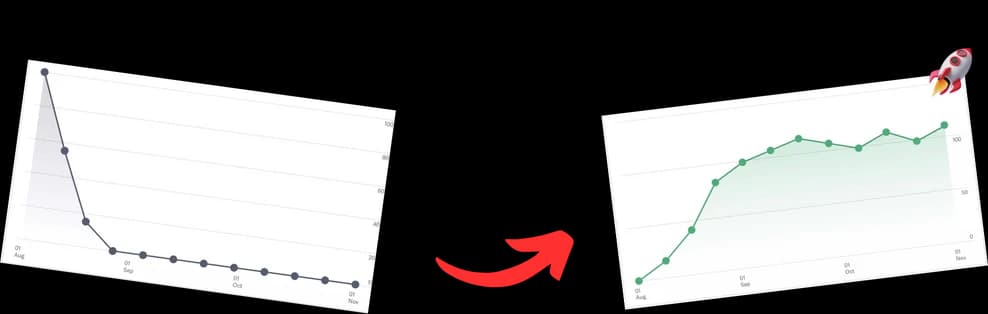
Properly tagging your YouTube videos is a crucial step in telling the algorithm what your content is all about. You do this by adding relevant keywords into the "Tags" section right within YouTube Studio.
Think of tags as essential context clues that back up your video's title and description, helping your content find the right audience from the get-go.
Why YouTube Tags Still Matter for Your Channel's Growth
Let’s get one thing straight right away: anyone who tells you YouTube tags are dead is missing the bigger picture. Their role has absolutely evolved, but they are still a key piece of the video SEO puzzle.

It’s true that the old-school method of stuffing the tag box with dozens of keywords is long gone. YouTube's algorithm is way smarter now, focusing on things like viewer satisfaction and the overall context of a video.
So, where do tags fit in today? Think of them as a tie-breaker.
When your title, thumbnail, and description have already done the heavy lifting, a focused set of tags confirms all that information for the algorithm. It boosts the system's "confidence score," which helps it categorize your video correctly the second you hit publish.
The Modern Role of YouTube Tags
The conversation around tags has shifted, moving away from outdated keyword-stuffing tactics to a more nuanced, context-driven approach. Here’s a quick breakdown of how to think about tags in today's AI-driven YouTube ecosystem.
| The Modern Role of YouTube Tags | |
|---|---|
| Outdated Myth | Modern Reality (AI-Focused) |
| Stuffing the tag box with 30+ keywords will help you rank for all of them. | A focused set of 5-8 highly relevant tags is more effective. The AI prioritizes precision and context over sheer volume. |
| The more tags, the better. The algorithm needs lots of data to understand the video. | Less is more. A few laser-focused tags act as guardrails, confirming the topic and preventing miscategorization. |
| Tags are the most important factor for getting views and ranking in search. | Tags are a secondary, supporting signal. The title, description, and thumbnail are primary. Tags clarify nuances and help associate your video with other relevant content. |
| Using broad, high-traffic tags like "gaming" or "vlog" will get you more exposure. | Specific, long-tail tags are far more valuable. "Beginner cold plunge tips" is much better than just "health," as it attracts a more qualified audience. |
| The order of your tags doesn't matter at all. | The first few tags carry the most weight. Place your primary, most important keyword tag first to give the algorithm a strong initial signal. |
| Tags are a "set it and forget it" part of uploading. | Smart tagging is an integral part of a holistic optimization workflow. It should align perfectly with the keywords used in your title, description, and even spoken in your video. |
This shift from volume to value is key. By adopting a modern, strategic approach to tagging, you give the YouTube algorithm the clear, concise information it needs to put your content in front of the viewers who will value it most.
The Real Job of Modern YouTube Tags
The number one job of tags today is to prevent miscategorization—a silent killer of video performance.
If YouTube isn’t 100% sure what your video is about, it might test it with the wrong audience. This leads to low click-through rates and dismal watch time, which are huge red flags for the algorithm.
A video about 'Cold Plunging' without specific tags might get shown to people interested in general 'winter swimming' or 'polar bear clubs.' Those viewers might click, realize it's not for them, and leave immediately. That tanks your metrics. Well-placed tags like "cold plunge benefits" or "ice bath therapy" prevent this from happening.
When used correctly, tags act as guardrails. They ensure your video is recommended alongside other relevant content and shows up for the right search queries. This is absolutely essential for long-term discovery and is a cornerstone of any good strategy for learning how to increase social media engagement.
Shifting from Volume to Value
The modern approach is all about precision, not volume. The platform's algorithm now rewards context over a sheer number of keywords. In fact, if you listen to YouTube's own advice, a focused approach with fewer, more accurate tags is far more effective than the old "keyword stuffing" method.
You can even hear it directly from the source by exploring YouTube’s creator guidelines. They often give the most weight to the first few tags you list, so what you choose matters.
This means your tagging strategy should focus on three things:
- Providing Context: Use tags to clarify any nuances your title and description can't fully capture.
- Confirming Your Topic: Reinforce the core subject of your video for the algorithm in no uncertain terms.
- Improving Association: Help YouTube connect your video with other similar, high-performing content on the platform.
When you start thinking this way, you're making the algorithm work for you. You’re ensuring all your hard work reaches the viewers who will actually watch, enjoy, and subscribe.
A Practical Guide to Adding Tags in YouTube Studio
Alright, let's get down to brass tacks: where and how you actually add tags to your YouTube videos. Knowing the strategy is one thing, but you also need to know your way around the YouTube Studio interface to make sure your hard work pays off. The good news is, once you know where to look, it's a breeze.
When you're uploading a new video, you’ll start on the "Details" tab. This is home base for your title, description, and thumbnail. But a lot of new creators get stuck here because the tags box is nowhere in sight.
To find it, just scroll all the way down the "Details" page until you see the blue text that says "SHOW MORE." Give that a click, and it will expand a whole new menu of advanced settings for your video.
Finding and Using the Tag Box
Once you've clicked "Show more," scroll down past the sections for paid promotions and automatic chapters. Keep going, and you'll find a dedicated text box clearly labeled "Tags."
Here's a quick visual to show you exactly where it's hiding after you expand the options.
This is that easily-missed spot where you'll plug in the keywords that help YouTube's algorithm understand what your video is all about. It’s a simple click, but it's one of the most important steps in the entire upload process.
Now, when you're in there adding your tags, keep a few things in mind:
- The 500-Character Limit: You're working with a strict limit of 500 characters, not 500 words. It's easy to mix those up. YouTube Studio helps you out by showing a running count right below the box, so you can keep an eye on how much space you have left.
- Correct Formatting: To make sure YouTube registers each tag separately, you can either hit the Enter key after typing each one or just add a comma. Both methods work perfectly and will wrap your tag in its own little gray box.
Pro Tip: Don't get hung up on using all 500 characters. Seriously. A dozen super-relevant, targeted tags will do way more for your video than 50 vague, loosely-related ones. The goal is to give the algorithm clear, precise signals, so focus on quality over sheer quantity.
Crafting Your Tag Set with a Three-Tiered Approach
Effective tagging is so much more than just dumping a list of keywords into a box and hoping for the best. A random, disorganized list of tags sends confusing signals to the YouTube algorithm. What you need is a strategic framework that helps you capture viewers from multiple angles.
The best way I've found to do this is to think of your tag set in three distinct layers, with each one serving a very specific purpose. This tiered method gives YouTube clarity and context, helping it understand not just what your video is about, but who it's for.
First, let's get the logistics out of the way. You'll find the tag box in YouTube Studio by editing your video and clicking "SHOW MORE" under the description area. It’s a bit hidden, but this is where the magic happens.

This is where you'll implement the three-tiered strategy.
Tier 1: Specific Long-Tail Tags
This is your foundation and, honestly, the most critical layer of them all. Specific tags, better known as long-tail keywords, are multi-word phrases that describe your video's content with laser-like precision.
They should mirror exactly what a user with a very specific problem or question would type into the search bar. Put yourself in their shoes. If your video is about making sourdough bread, they aren't just searching "bread." They’re looking for things like "how to feed a sourdough starter," "sourdough bread recipe for beginners," or "troubleshooting a flat sourdough loaf."
Sure, these tags have lower search volume, but they have a much higher conversion rate. Why? Because they match the searcher's intent perfectly. The person who finds your video through that "flat sourdough loaf" tag is the exact viewer you're trying to reach.
Tier 2: Broad Short-Tail Tags
Once your specific, long-tail tags are locked in, it's time to add the second layer: broad tags. These are the more general, one- or two-word terms that place your video into a wider category. Think of them as providing context for the algorithm.
Sticking with our sourdough example, these tags would be things like:
- sourdough
- bread making
- baking
- home cooking
- kitchen tips
You're probably never going to rank for a tag as competitive as "baking" on its own. That’s not the point. The point is to tell the algorithm, "Hey, this very specific video about 'feeding a sourdough starter' belongs in the general universe of 'baking' and 'home cooking.'" This is how you start showing up as a suggested video next to other popular content in your niche.
Tier 3: Branded and Channel Tags
The final layer is all about you. Branded tags are unique to your channel and should be added to every single video you upload. This is non-negotiable. It’s usually just your channel name, common misspellings of it, or a unique series title.
For instance, if your channel is called "The Bread Lab," your branded tags should be "The Bread Lab" and maybe "thebreadlab" just to cover the bases. This simple action consistently reinforces your channel's identity across the platform.
This consistency is so powerful. It nudges YouTube to recommend your own videos next to each other, creating a feedback loop that can lead to binge-watching sessions. This massively boosts your watch time and session duration, helping you build topical authority and keep viewers on your channel longer.
If you need more inspiration, you can always check out a good tag list for youtube creators to get the ideas flowing. By layering these three types of tags—specific, broad, and branded—you create a comprehensive net that maximizes your video's discovery potential from every angle.
How to Find High-Impact Tags for Your Videos
Brainstorming a few tags off the top of your head is an okay starting point, but if you want a real competitive edge, you need to stop guessing and start using data. Finding high-impact tags is all about uncovering the exact phrases real people are typing into YouTube's search bar.
This is how you turn tagging from a hopeful art into a repeatable science.

Honestly, the most powerful tool for this is staring you right in the face: the YouTube search bar. Start typing your main video topic, but don't hit enter just yet. Pay close attention to the autocomplete suggestions that pop up.
These aren't random. They're the most popular, related searches happening on the platform right now. If you type "sourdough bread," YouTube might suggest things like "sourdough bread for beginners," "sourdough bread no knead," or "sourdough bread scoring techniques." These suggestions are pure gold for your tag list.
Uncovering Competitor Strategies
Your next move is to peek behind the curtain of the most successful videos in your niche. You can’t see a video’s tags just by watching it, but there are some fantastic tools that pull back the curtain and reveal everything. This is where you can spot opportunities and find proven keywords you might have otherwise missed.
To really dig in, I recommend using dedicated YouTube SEO tools like VidIQ and TubeBuddy. Both have free browser extensions that let you see the exact tags any video is using. It feels a bit like having a superpower.
Install one of these tools, navigate to a top-ranking video on your topic, and just look at its tag list. You’ll almost always find high-value, long-tail keywords you never would have thought of. The goal isn't to copy their list word-for-word, but to identify patterns and grab some inspiration.
Look for a mix of broad and specific terms. See how they structure their tags—are they using phrases or single words? This kind of intel gives you a huge advantage because it shows you what’s already working for the algorithm.
Building a Repeatable Workflow
Finding great tags shouldn't feel like a huge chore every time you upload. If you nail down a consistent process, you can build a powerful list in just a few minutes for every single video. This simple workflow ensures you cover all your bases and rely on data, not just a hunch.
Here’s a quick rundown of how I approach it:
- Start with a Core Keyword: First, pinpoint the single most important two-to-three-word phrase that describes your video. This is your "seed" keyword. For example, "cold brew coffee."
- Expand with Autocomplete: Next, plug that seed keyword into the YouTube search bar and harvest all the relevant autocomplete suggestions. This is where you’ll add phrases like "cold brew coffee recipe" and "how to make cold brew coffee at home" to your list.
- Analyze Top Competitors: Find three to five videos that are crushing it for your seed keyword. Use a tool like TubeBuddy or VidIQ to inspect their tags and pull any relevant, high-performing keywords into your own list. You might discover a gem like "concentrate cold brew" this way.
- Refine and Prioritize: Finally, look over your master list. Get rid of anything that isn't a perfect fit. Then, order the tags with the most important, specific keywords first, followed by the broader terms.
This structured approach guarantees your tag set is comprehensive, relevant, and based on what viewers are actually looking for. If you want to speed things up even more, you can explore tools like a YouTube AI keywords generator to help automate the discovery process.
Don't Let These Common Tagging Mistakes Kill Your Channel's Growth
Knowing what to do is one thing, but knowing what not to do can be the difference between a video that climbs the ranks and one that completely flatlines. I've seen countless creators, even seasoned ones, unknowingly sabotage their own reach with a few classic tagging blunders.
Getting your tags right helps the algorithm understand your video. But getting them wrong? That actively confuses it, leading to poor performance that's tough to bounce back from.
The Danger of Keyword Stuffing
The most common mistake by a long shot is keyword stuffing. This is when you cram the tag box with every conceivable keyword, hoping to rank for everything under the sun. This old-school tactic doesn't just fail to work anymore; it can actively hurt your channel.
YouTube's algorithm is smart enough to see this as spammy behavior. The result? Your video gets demoted in search. In more serious cases, I've seen channels that repeatedly over-tag face monetization issues or even suspension. Think of tags as a tool for clarification, not for casting an impossibly wide net. You can see some fascinating tests on this topic in this deep dive into tagging experiments.
Using Irrelevant or Misleading Tags
Another cardinal sin is hijacking popular tags that have nothing to do with your video. It might feel like a clever growth hack to add a trending tag to your video about "restoring old furniture," but this strategy almost always backfires.
Let's say "iPhone 15 Review" is trending, so you sneak it into your furniture video's tags. Here's what happens next:
- You Attract the Wrong Crowd: People searching for an iPhone review might click, but they'll bounce within seconds once they realize they've been tricked.
- Your Watch Time Plummets: This immediate drop-off sends a massive negative signal to YouTube. It screams, "This video doesn't satisfy viewers for this topic!"
- The Algorithm Gives Up on You: As a result, YouTube stops showing your video to anyone—including the people who would have actually loved it.
This is one of the fastest ways to kill a video's momentum. A terrible audience retention score in the first few hours is a blaring red flag for the algorithm, telling it your content is a bad match and effectively burying it for good.
Forgetting to Get Specific
Finally, a mistake that keeps good videos from being found is relying only on broad, single-word tags. Just using terms like "tutorial," "DIY," or "review" is way too vague. These tags throw your video into an ocean with millions of others without giving the algorithm any real context.
When you don't provide specific, long-tail tags to anchor your video's true subject, you force the algorithm to guess where your content fits. And when the algorithm guesses, it often guesses wrong. Always balance your broad, category-level tags with a healthy dose of hyper-specific phrases that match what a real person would search for. It’s the only way to avoid getting lost in the noise.
Weaving Tags Into Your Broader YouTube SEO Strategy
Great tags are a powerful tool, but they're not a silver bullet. I've seen too many creators meticulously research tags only to let them sit in isolation, completely disconnected from the rest of their video. They lose all their punch that way.
The most successful channels treat tags as just one piece of a much larger puzzle. To really get YouTube's attention, you need a cohesive SEO strategy where your tags, title, and description are all singing the same tune.
This idea of keyword consistency is the absolute bedrock of good YouTube SEO. It’s simple, really: your main keywords shouldn't just be dumped into the tag box. They need to be woven thoughtfully through every piece of your video's metadata. This sends a powerful, unified signal to the algorithm, leaving no room for confusion about what your video is about.
Let's say one of your primary tags is "beginner sourdough starter tips." That exact phrase, or something very close to it, should show up naturally in your video title and within the first couple of sentences of your description. It just makes sense.
Connecting Tags to Your Other Optimizations
When you get this right, you create a powerful feedback loop. A well-researched tag can spark an idea for a more compelling title. That same tag might be the perfect title for a timestamped chapter in your video.
Imagine someone searches for "how to fix a flat sourdough loaf." If they see that phrase in your title, your description, and as a clickable chapter, you’ve built instant trust. You've shown them you have the exact answer they're looking for.
By aligning your tags with your chapters and description, you're not just optimizing for the algorithm; you're optimizing for the viewer. This alignment directly answers a searcher's query at multiple touchpoints, significantly increasing the likelihood they will click and watch.
This consistency is what builds a rock-solid SEO foundation, making your video more discoverable across both YouTube and Google Search. The algorithm sees a clear, consistent story and gains confidence in recommending your video to the right people. For a deeper dive into how all these elements work together, check out our complete guide to metadata for YouTube.
So, think of your tags as the starting point that informs the rest of your optimization. When your title, description, and even the words you say in your video all echo the keywords in your tags, you create an undeniable case for your video's relevance. That's how you get the visibility you deserve.
Your YouTube Tagging Questions Answered
Let's dig into some of the most common questions I hear from creators about YouTube tags. Nailing these details can genuinely move the needle on your video's performance.
How Many Tags Should I Use?
YouTube gives you a 500-character limit, but this is one of those times when more isn't always better. Quality beats quantity every single time.
I always recommend aiming for 5 to 15 super-relevant tags. A tight, focused list that mixes broader topics with a few specific, long-tail keywords will serve the algorithm much better than just stuffing the box to hit the character limit.
Should Tags Go in My Description?
This is a great question because it touches on two different features. You can put up to three hashtags (like #VideoEditingTips) in your description, and YouTube will display them right above your video's title. They're for both viewers and the algorithm.
However, your main SEO keyword tags belong in the dedicated tag box you find by clicking "Show more." That's the primary place you feed the algorithm information about your video's topic.
The key thing to remember is this: the tag box is for the algorithm's eyes only. The three hashtags in the description are for both the algorithm and your viewers. Use both, but use them for their intended purpose.
Does Changing Tags on Old Videos Help?
Absolutely. If you have an older video that just isn't getting the traction you expected, going back to update its metadata is a fantastic strategy.
Refreshing its tags with better-researched or more relevant keywords can prompt the algorithm to re-evaluate and re-categorize your content. Think of it as giving the video a new lease on life. This simple tweak can give it a second chance to show up in search results and pop into recommendation feeds.
Ready to take your YouTube SEO beyond just tags? TimeSkip uses AI to automatically generate SEO-optimized chapters for your videos in seconds, boosting viewer retention and discovery. Get your first two videos free at https://timeskip.io.