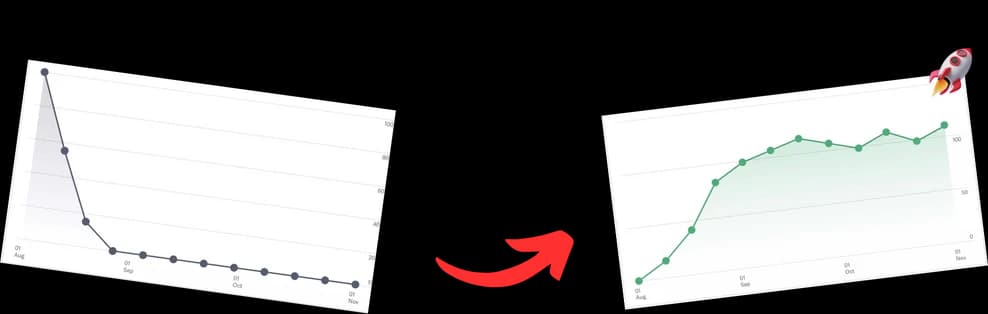
YouTube is the world's second-largest search engine, and mastering its algorithm starts with one crucial element: keywords. Finding the right keywords is the difference between a video that languishes in obscurity and one that dominates search results, driving thousands of views and new subscribers. But what are good keywords for YouTube in today's competitive environment? It's more than just popular search terms; it's a strategic mix of high-intent phrases, competitor insights, and clever placement within your video's metadata.
This comprehensive guide moves beyond generic advice to provide a curated collection of actionable keyword strategies. We will break down the 8 essential types of keywords you need to know to achieve sustainable growth. You will learn not just what keywords to use, but precisely how and where to implement them for maximum impact, from your title and description to your tags and even your video chapters.
We'll explore everything from hyper-specific long-tail queries that attract highly motivated viewers to trending keywords that capture viral traffic. Each section offers practical workflows and tool recommendations designed to transform your channel's visibility. Get ready to learn the exact strategies that top creators use to get discovered, increase watch time, and build a thriving community on the platform. This is your blueprint for turning keyword research into measurable channel growth.
1. YouTube SEO Keywords and Optimization
YouTube SEO keywords are the specific search terms and phrases that viewers type into the YouTube search bar to find content. Optimizing for these keywords involves strategically placing them within your video's metadata to align with what the YouTube algorithm is looking for. This process is crucial because YouTube functions as the world's second-largest search engine, making discoverability a key factor for channel growth.
Proper keyword optimization can directly influence your video's ranking, potentially increasing its visibility by a significant margin. When your video’s title, description, tags, and even the spoken content align with popular search queries, the algorithm is more likely to recommend it to a relevant audience, boosting organic discovery. This is a foundational strategy for anyone serious about growing their channel.
How to Implement YouTube SEO Keywords
Strategic placement is everything. The goal is to signal relevance to YouTube's algorithm without engaging in "keyword stuffing," which can harm your rankings.
- Video Title: Your primary keyword should appear at the beginning of your title. For example, a video about sourdough could be titled "Beginner Sourdough Recipe: Easiest No-Knead Method."
- Video Description: Place your most important keywords within the first 160 characters, as this is what appears in search results. Expand on these with related long-tail keywords throughout the description naturally.
- Tags: Use a mix of broad and specific tags. Include your primary keyword, variations, and competitor tags to cover all potential search angles.
- Chapters and Timestamps: A powerful yet underutilized strategy involves embedding keywords directly into your video chapters. Tools like TimeSkip can auto-generate AI-optimized chapters, which not only improve user experience but also help your video rank for specific micro-topics within your content. This can even lead to your video appearing in Google's featured snippets. To effectively implement YouTube SEO and optimize your videos, leveraging dedicated resources is essential. You can explore the best SEO tools for small business growth to find platforms that can streamline your workflow.
Key Insight: Optimizing video chapters with relevant keywords provides YouTube with more contextual data about your content, increasing the chances of ranking for highly specific, long-tail search queries.
For a deeper dive into finding the right terms, you can learn more about the best YouTube keyword research tools and how to integrate them into your strategy. By mastering the fundamentals of YouTube SEO, you provide a clear path for the algorithm to connect your content with the viewers actively searching for it.
2. Video Chapter Keywords and Timestamps
Video Chapter Keywords are specific terms embedded within the timestamped sections of your YouTube videos. This feature breaks long-form content into navigable segments, allowing viewers to jump directly to parts that interest them. More importantly, these chapter titles act as powerful internal SEO signals, giving YouTube’s algorithm a detailed, structured map of your video's content.
Optimizing chapters with good keywords for YouTube is a high-impact strategy that boosts discoverability on both YouTube and Google Search. When a chapter title like "How to Knead Sourdough" matches a user's query, YouTube can serve that specific segment as a direct answer, dramatically improving user experience and engagement. This turns your video into a micro-search engine for its own content.
How to Implement Video Chapter Keywords
The key is to treat each chapter title as a mini-headline designed for search. This approach helps your content rank for dozens of long-tail variations related to your main topic.
- Structure Your Chapters: Begin each chapter title with a primary keyword for that specific segment. For example, a podcast episode could have chapters like "Guest Introduction: Tim Ferris" or "Marketing Strategy Breakdown."
- Keep Titles Concise: Aim for 50-60 characters to ensure titles are fully visible. Pack your most important keywords into this limited space for maximum impact.
- Use Automated Tools: Manually creating chapters is time-consuming. Tools like TimeSkip use AI to auto-generate keyword-optimized chapters in seconds, analyzing your transcript to identify key topics and create SEO-friendly titles.
- Vary Your Keywords: Avoid repetition. If your main topic is "iPhone 15 Review," use chapter keywords like "Camera Test," "Battery Life Performance," and "Display Quality Comparison" to capture a wider range of searches.
- Monitor Performance: Use YouTube Analytics to see which chapters get the most clicks. This data provides direct feedback on which subtopics your audience values most, helping you refine future content.
Key Insight: Optimizing your video chapters allows a single long-form video to rank for multiple, highly specific search queries. This transforms one piece of content into a collection of discoverable assets.
By leveraging chapter keywords, you provide a better viewing experience and give the YouTube algorithm precise data points to match your content with relevant viewers. It’s an essential technique for creators producing tutorials, podcasts, educational content, or any in-depth video.
3. Long-Tail Keywords for YouTube Videos
Long-tail keywords are highly specific search phrases, typically three or more words long, that target viewers with a very clear intent. Unlike broad "head" terms, these phrases attract audiences who are further along in their search journey and looking for precise answers. This makes them some of the best and most effective types of good keywords for YouTube, as they often face less competition and lead to higher engagement rates.
Using a long-tail keyword like “best budget podcasting microphone 2024” instead of just “microphone” allows you to connect directly with viewers ready to make a decision or solve a specific problem. By catering to this niche demand, you position your content as the definitive resource, which the YouTube algorithm rewards with better visibility and ranking potential.

How to Implement Long-Tail Keywords
Successfully using long-tail keywords involves building your video's metadata around these specific phrases to capture high-intent traffic. This requires a natural and strategic approach.
- Video Title: Place the full long-tail keyword at the beginning of your title for maximum impact. For instance, "How to Edit Videos for Beginners on Mac | Free Software Guide."
- Video Description: Weave your primary long-tail keyword and several related variations into the first few sentences. Describe how your video solves the specific problem outlined in the keyword.
- Tags: Include the exact long-tail phrase as your primary tag, then break it down into smaller components and related concepts. For example, "best free video editing software," "video editing mac 2024," and "beginner video editor."
- Chapters and Timestamps: This is a goldmine for long-tail optimization. Create chapters with titles like "Choosing the Right Free Software" or "Exporting Your First Video," which act as keywords themselves. Tools like TimeSkip use AI to identify these opportunities and can generate optimized chapters that help your video rank for dozens of micro-searches within your main topic.
Key Insight: Long-tail keywords have a cumulative effect. While each one brings in a small amount of traffic, targeting dozens of them across your content library builds a powerful foundation of highly engaged, targeted viewers.
For a comprehensive guide on identifying and leveraging these powerful phrases, you can discover more about effective long-tail keyword research and how to apply it to your channel. Mastering this strategy is key to standing out in a crowded niche and attracting the right audience.
4. Keyword Density and Placement Strategy
Keyword density is the practice of managing how frequently a target keyword appears in your video’s metadata relative to the total word count. For YouTube, strategic keyword placement across your title, description, tags, and chapters is a core signal of relevance for the algorithm. An optimal density, typically around 1-3%, ensures your content is understood without triggering spam filters for over-optimization.
A well-executed placement strategy involves a hierarchy: your most important keyword leads the title, secondary keywords support the description, and long-tail variations flesh out your chapters. This method communicates a clear, consistent topic to YouTube, helping it match your video with the right viewer searches. It's a nuanced approach that balances algorithmic signals with a positive user experience, making it an essential tactic for finding good keywords for YouTube that actually convert to views.
How to Implement Keyword Density and Placement
The goal is to naturally integrate your keywords where they have the most impact. This tells the algorithm what your video is about without sacrificing readability for your audience.
- Video Title: Place your primary keyword within the first 60 characters for maximum visibility. For example, "YouTube SEO Tips 2024: Boost Your Channel's Ranking."
- Video Description: Integrate your main keyword within the first 160 characters. Throughout the rest of the description, naturally weave in related keywords like "YouTube SEO strategies" and "improve YouTube rankings" 2-3 times.
- Tags: Use a combination of your primary keyword, secondary terms, and long-tail variations to cover different search angles.
- Chapters and Timestamps: Chapters are perfect for targeting long-tail variations. Instead of repeating the main keyword, use chapter titles like "SEO Title Optimization" and "Chapter Keyword Research." Tools like TimeSkip can automate this process, using AI to generate chapters with optimized keyword density and placement, ensuring you hit the sweet spot without manual effort.
Key Insight: Prioritizing keyword placement in your title and the first few lines of your description has the highest impact on your video's initial ranking signal. Subsequent keywords in the description and chapters provide deeper context for a wider range of search queries.
By mastering keyword density, you create a powerful and coherent message for both viewers and the YouTube algorithm. This strategic approach ensures your content is discoverable for the exact terms your target audience is searching for.
5. Question-Based Keywords and FAQ Optimization
Question-based keywords are search queries phrased as direct questions, such as "how do I create YouTube chapters?" or "what is the best video editing software?". These keywords mirror how real viewers seek information on both YouTube and Google, making them incredibly valuable for discovery. Optimizing for these queries involves structuring your content to directly answer common questions within your niche.
This strategy is highly effective because search engine algorithms are designed to provide direct answers. When your video’s title, description, and chapters are formatted to address a specific question, you significantly increase its chances of appearing in YouTube's top results and even Google's coveted Featured Snippets. This positions your content as a definitive resource, attracting high-intent viewers.
How to Implement Question-Based Keywords
The goal is to frame your content as the solution to a viewer's problem. This involves identifying relevant questions and structuring your video to provide clear, concise answers that satisfy search intent.
- Video Title: Frame your title as a direct answer or the question itself. For instance, a video could be titled "How to Improve Video SEO: 5 Easy Steps" to capture the "how can I improve my video SEO" query.
- Video Description: Start your description by answering the main question directly. Use the rest of the space to address related questions, using them as natural subheadings or talking points.
- Tags: Include the full question as a tag (e.g., "what is the best podcasting software for beginners") along with shorter variations and related topical keywords.
- Chapters and Timestamps: This is where question-based keywords truly excel. Structuring your video into a clear Q&A format using chapters turns your content into a browsable FAQ. For example, a podcasting tutorial could have chapters like "How do podcasters organize long-form audio?" and "What software is best for editing?". Tools like TimeSkip can auto-generate these question-based chapters, providing the algorithm with rich, contextual data about the specific problems your video solves.
Key Insight: Structuring video chapters as answers to common questions transforms your content into a powerful FAQ resource, making it more likely to be featured by YouTube and Google for highly specific, conversational search queries.
To find these valuable questions, use Google’s "People Also Ask" feature and monitor the auto-complete suggestions in the YouTube search bar. By directly addressing your audience's pain points, you create a powerful funnel for organic discovery and establish your authority in the niche.
6. Competitor Keyword Analysis and Gap Research
Competitor keyword analysis involves researching the search terms and phrases that successful videos in your niche are ranking for. By reverse-engineering their strategy, you can identify proven keywords that resonate with your target audience. This approach moves beyond guesswork, allowing you to build a content strategy based on what is already performing well on the platform.

The real power of this method lies in gap research: uncovering keywords your competitors target that you don't, or vice-versa. This process helps you find underserved keywords where ranking is more achievable, allowing you to capture a specific segment of the audience. By understanding the keyword landscape, you can strategically position your videos to fill content gaps and attract viewers who are not being served by existing content. Finding these good keywords for YouTube is a direct path to sustainable channel growth.
How to Implement Competitor Keyword Analysis
Success with this strategy depends on systematic research and creating superior content. The objective is not just to copy but to identify opportunities and create a better, more comprehensive video for that keyword.
- Identify Competitors: Use tools like VidIQ or TubeBuddy to analyze the top 10 ranking videos for your primary topic. Document the keywords they consistently use in titles, descriptions, and tags. For example, a channel reviewing TimeSkip might discover competitors rank for "podcast chapter timestamps" but miss the opportunity to target "auto-generate podcast chapters."
- Find Keyword Gaps: Cross-reference the keyword lists from several competitors. Look for high-performing keywords they all use, as well as unique terms that only one or two are targeting. This is where you can find your competitive edge.
- Prioritize and Create: Focus on keywords with moderate competition but significant search volume. Once you've identified a promising keyword, create a content angle that is more in-depth, entertaining, or offers a unique perspective compared to the existing videos.
- Analyze and Adapt: This is not a one-time task. Revisit your competitor analysis quarterly to stay ahead of new trends and shifts in what your audience is searching for.
Key Insight: Your biggest content opportunities often lie in the keyword gaps your competitors have overlooked. By specifically targeting these underserved queries, you can establish authority and attract a dedicated audience with less direct competition.
By systematically analyzing the keyword strategies of top channels, you can build a data-driven content plan. This method ensures your efforts are focused on topics with a proven audience, dramatically increasing your chances of ranking and growing your channel's visibility.
7. Trending Keywords and Seasonal Search Optimization
Trending keywords are search terms experiencing a rapid, often temporary, surge in popularity driven by current events, viral phenomena, or cultural moments. In contrast, seasonal keywords follow predictable, cyclical patterns of interest, such as "back to school" in August or "Christmas gift ideas" in November. Capitalizing on these keyword types allows you to tap into high-volume search traffic and capture audience attention when it's most focused.
This strategy is about balancing long-term stability with short-term opportunity. While evergreen content forms your channel's foundation, trending and seasonal videos can provide significant traffic spikes, attract new subscribers, and inject timely relevance into your content schedule. Integrating these good keywords for YouTube into your strategy demonstrates that your channel is current and responsive to what your audience is actively searching for right now.
How to Implement Trending and Seasonal Keywords
Timing and preparation are critical. The goal is to anticipate or react quickly to rising interest while maintaining content quality.
- Monitor Trends: Use tools like Google Trends and YouTube's own Trending tab to spot emerging topics in your niche. Look for breakout search terms like "AI video editing tools 2024" during a tech wave or "YouTube chapter automation" as creators seek efficiency.
- Create a Seasonal Calendar: Plan content 2-3 months in advance for predictable events. For example, a video titled "Back to School Video Editing Tips for Students" should be produced in June or July to be ready for the August search spike.
- Optimize Metadata for Timeliness: Clearly include the year or relevant season in your titles, descriptions, and tags. This signals immediate relevance to both viewers and the YouTube algorithm.
- Use Chapters for Rapid Deployment: For fast-moving trends, speed is essential. Using a tool like TimeSkip to instantly generate optimized chapters allows you to publish a high-quality, user-friendly video quickly. You can embed trending sub-topics directly into your chapter titles, helping you rank for multiple specific queries related to the larger trend.
Key Insight: Combine a trending or seasonal keyword with an evergreen format. A video on a trending topic like "Best Podcasting Microphone for Streaming" will have a longer shelf life if it also provides foundational, evergreen advice on microphone selection.
To master this approach, stay informed about your niche's landscape and plan your calendar strategically. By aligning your content with these powerful search patterns, you can capture waves of audience interest and accelerate your channel's growth.
8. Video Metadata Keywords (Tags, Titles, Descriptions)
Video metadata keywords are the specific terms and phrases you embed within your video's title, description, and tags. This trio of metadata fields provides YouTube's algorithm with critical contextual information, signaling what your video is about and which audience it should be shown to. A comprehensive strategy involves strategically distributing your primary, secondary, and long-tail keywords across all these fields to create a powerful, unified signal for discoverability.
Properly optimized metadata acts as a multiplier for your video's ranking potential. While the title carries the most weight, a cohesive approach where your description and tags support and expand upon the title's core keywords is far more effective. This alignment tells the algorithm that your content is highly relevant to specific search queries, significantly improving its chances of appearing in search results and suggested video feeds.
How to Implement Video Metadata Keywords
A successful metadata strategy requires a thoughtful distribution of keywords across each field, ensuring relevance and natural language to attract both the algorithm and human viewers.
- Video Title: Your most important keyword phrase should be placed at the very beginning. For example, a tutorial on video editing could be titled: "DaVinci Resolve Tutorial for Beginners: Edit Your First Video in 15 Mins." This title is under 70 characters and leads with the primary search term.
- Video Description: The first sentence of your description should reiterate your primary keyword. Expand on this with a 200-300 word summary that naturally incorporates secondary and long-tail keywords, along with relevant hashtags (3-5 is ideal).
- Tags: Use a strategic mix of 5-10 specific and broad tags. Include your primary keyword as both a multi-word phrase ("good keywords for youtube") and single words ("keywords," "youtube"). Also include tags from high-performing competitor videos.
- Automated Optimization: To ensure all metadata fields are aligned, tools like TimeSkip can auto-generate AI-optimized titles, descriptions, and tags based on your video's transcript. This saves time and ensures a cohesive keyword strategy across all fronts.
Key Insight: The compounding effect of aligned metadata is key. A strong title, a keyword-rich description, and targeted tags create multiple signals that reinforce each other, making your video a much stronger candidate for high search rankings.
Similarly, for other major video platforms, leveraging specialized tools can streamline content optimization. For instance, effective TikTok caption generation can help you efficiently produce keyword-infused descriptions for short-form video. To master this for YouTube, you can learn more about how to optimize your YouTube metadata strategy for maximum impact.
YouTube Keyword Strategies — 8-Point Comparison
| Item | Implementation Complexity 🔄 | Resource Requirements ⚡ | Expected Outcomes 📊 | Ideal Use Cases 💡 | Key Advantages ⭐ |
|---|---|---|---|---|---|
| YouTube SEO Keywords and Optimization | Medium — ongoing research & updates 🔄 | Medium — SEO tools + time ⚡ | High — organic visibility ↑25–220%, long-term gains 📊 ⭐⭐⭐⭐ | Channels aiming for sustained organic growth and cross-platform ranking 💡 | Broad visibility boost, cost-effective vs. ads ⭐ |
| Video Chapter Keywords and Timestamps | Low–Medium — manual or automated creation 🔄 | Low — quick if automated; higher if manual ⚡ | Medium–High — ↑avg watch time ~15%, multiple search entry points 📊 ⭐⭐⭐⭐ | Long-form content: podcasts, tutorials, lectures 💡 | Improves navigation/retention; creates searchable segments ⭐ |
| Long-Tail Keywords for YouTube Videos | Medium — research-intensive for niche phrases 🔄 | Low–Medium — keyword tools + analysis time ⚡ | Medium — lower volume but higher intent & conversion 📊 ⭐⭐⭐ | Niche topics, new channels, high-intent queries 💡 | Easier to rank, attracts qualified viewers, compound growth ⭐ |
| Keyword Density and Placement Strategy | Medium–High — requires analysis & discipline 🔄 | Medium — analytics + careful editing ⚡ | Medium — balanced relevance; avoids penalties when correct 📊 ⭐⭐⭐ | Channels standardizing metadata and chapter usage 💡 | Creates coherent keyword hierarchy; prevents stuffing penalties ⭐ |
| Question-Based Keywords and FAQ Optimization | Low–Medium — identify and structure Q&A 🔄 | Low — research common questions, structure content ⚡ | High — strong Featured Snippet & voice-search potential 📊 ⭐⭐⭐⭐ | Educational/tutorial creators, voice-search targets 💡 | Matches natural queries, improves CTR and authority ⭐ |
| Competitor Keyword Analysis and Gap Research | Medium–High — analysis and validation 🔄 | High — often needs paid tools and time ⚡ | High — finds proven opportunities and underserved gaps 📊 ⭐⭐⭐⭐ | Data-driven growth strategies and channel scaling 💡 | Reveals untapped keywords, reduces guesswork, validates strategy ⭐ |
| Trending Keywords and Seasonal Search Optimization | Medium — monitoring + rapid execution 🔄 | Medium–High — quick content production needed ⚡ | Variable — short-term spikes; seasonal recurrences 📊 ⭐⭐⭐ | News/current events, seasonal campaigns, viral opportunities 💡 | Rapid traffic surges, timely relevance, predictable seasonal boosts ⭐ |
| Video Metadata Keywords (Tags, Titles, Descriptions) | Medium — field-specific best practices 🔄 | Low–Medium — editing metadata and tools ⚡ | High — layered signals improve ranking & recommendations 📊 ⭐⭐⭐⭐ | All uploads, especially search-focused videos and playlists 💡 | Multiple discovery signals across metadata; improves search & suggestions ⭐ |
From Keywords to Channel Growth: Your Next Steps
You've just navigated a comprehensive roadmap detailing the most effective types of keywords for YouTube. We've explored everything from foundational SEO principles and long-tail keyword templates to the strategic use of question-based queries and trending topics. We've also delved into the granular, yet critical, optimization of video chapters, tags, titles, and descriptions. It's a lot of information, but understanding these distinct elements is the key to transforming your channel from a passion project into a discoverable, authoritative resource in your niche.
The central takeaway is this: finding good keywords for YouTube isn't a one-time task you check off a list. It's a dynamic, ongoing process of research, implementation, and analysis. Your goal is not to find a single "magic" keyword that will unlock viral success overnight. Instead, your objective is to build a robust, multi-layered keyword ecosystem for every single video you publish. This system works synergistically, sending clear, consistent signals to the YouTube algorithm about your content's value and relevance.
Synthesizing Your Keyword Strategy
Let's distill the core principles we've covered into a clear, actionable framework. True channel growth comes from the consistent application of these strategies, not just from knowing they exist.
- Layering for Maximum Impact: Think of your keywords as layers of a net. Your broad, high-volume keywords in the title act as the main structure, while your long-tail keywords in the description and question-based keywords in your chapters act as the finer mesh, catching highly specific, high-intent viewers.
- The Viewer Intent Mindset: The most powerful shift you can make is from thinking "What are people searching for?" to "What problem are people trying to solve with their search?" This mindset will naturally lead you to create content and use keywords that provide immense value and resonate deeply with your target audience.
- Consistency is Your Algorithm Ally: Every time you meticulously optimize a video's metadata, chapters, and script with relevant keywords, you are training the algorithm. You are teaching it precisely who your content is for. Over time, YouTube will get better at recommending your videos to the right people, creating a self-reinforcing loop of growth and engagement.
Your Actionable Path Forward
Knowledge without action is just trivia. To turn these insights into tangible results, you need a plan. Here are your immediate next steps to start implementing what you've learned today.
- Conduct a Mini-Audit: Choose one of your recent, underperforming videos. Go through the checklist from this article. How could you improve the title with a better primary keyword? Can you add three to five long-tail keywords to the description? Are there opportunities to create keyword-optimized chapters?
- Plan Your Next Video with Keywords First: Before you even hit record, dedicate 30 minutes to keyword research. Identify your primary target keyword, a list of secondary long-tail phrases, and at least three common questions your audience might ask. Build your video's outline around these search terms.
- Implement One New Technique: Don't try to do everything at once. For your very next upload, focus on mastering just one area. Maybe it's competitor keyword analysis or optimizing for seasonal trends. Once you feel comfortable with that process, add another technique to your workflow in the video after that.
Mastering the art and science of good keywords for YouTube is the single most effective way to take control of your channel's destiny. It moves you from a position of hoping for views to a position of strategically earning them. By consistently applying these principles, you are not just optimizing for an algorithm; you are building a stronger, more meaningful connection with the audience you are meant to serve.
Ready to supercharge your video chapter optimization and save hours of manual work? TimeSkip uses AI to automatically generate accurate, keyword-rich timestamps and summaries from your video, helping you implement the advanced chapter strategies discussed in this article in just a few clicks. Take the first step towards smarter YouTube SEO by visiting TimeSkip and trying it for yourself.