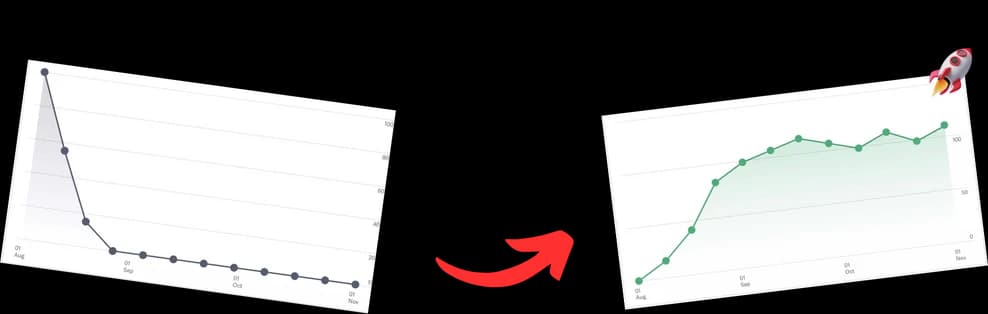
Unlocking massive YouTube growth isn't just about creating great content; it's about ensuring that content gets discovered. The bridge between your videos and your ideal audience is built with keywords. But not just any keywords. You need the best YouTube channel keywords tailored specifically to your niche, your audience's search intent, and YouTube's powerful discovery algorithm.
Many creators focus on video tags but overlook the immense power of strategic keyword placement within video titles, descriptions, and especially video chapters. This oversight leaves countless views, subscribers, and potential revenue on the table. Optimizing your entire channel, from your core "about" page to individual video timestamps, creates a dense web of signals that tells YouTube exactly who should see your content. This guide moves beyond basic, surface-level advice to provide actionable keyword strategies that drive real results.
In this comprehensive listicle, we will break down the essential keyword categories that act as the engine for your channel's growth. We'll explore everything from high-intent tutorial keywords to long-tail phrases perfect for podcasts, providing curated lists and real-world examples for each. You will learn not only what keywords to use but precisely where and how to implement them for maximum impact. We'll even cover how to use smart tools to automate the tedious parts of your workflow, like generating keyword-rich video chapters, to help you rank higher on both YouTube and Google search results. This is your blueprint for turning your channel into a searchable, highly visible authority in your niche.
1. YouTube SEO Keywords
YouTube SEO keywords are foundational search terms strategically embedded in your video’s metadata to improve its ranking in both YouTube and Google search results. Unlike generic tags, these are precise phrases viewers actively use to find content, making them one of the best youtube channel keywords strategies for discoverability. Optimizing for these terms signals to the algorithm exactly what your video is about, boosting its chances of being recommended to the right audience.

This approach moves beyond simple tags, integrating keywords into your title, description, and, crucially, your video chapters. When you use a tool like TimeSkip to auto-generate chapter titles, it can pull keywords directly from your transcript. This creates timestamped sections like "08:15 Python 'for loop' tutorial" instead of just "Loop Example," directly targeting a high-intent search query and making your video a more authoritative resource.
How to Implement YouTube SEO Keywords
To effectively leverage SEO keywords, you must think like your audience. A vlogger targeting "Tokyo travel" can attract more qualified viewers with the long-tail keyword "budget travel Tokyo 2024," which captures a specific user need. Similarly, a tutorial creator should target "how to edit videos in CapCut for beginners" over the broad "video editing." This specificity reduces competition and increases relevance.
Key Insight: The most powerful SEO strategy combines high-level channel keywords with hyper-specific keywords in video titles and chapters. This dual approach helps your channel rank for broad terms while individual videos capture targeted search traffic.
Actionable Tips for Implementation
- Pre-Production Research: Before hitting record, use dedicated YouTube keyword research tools like TubeBuddy or VidIQ to validate your video ideas and find low-competition, high-volume search terms.
- Integrate Keywords into Chapters: Use TimeSkip to automatically generate timestamped chapters. Manually refine these chapter titles to include relevant long-tail keywords, such as guest names in a podcast or specific concepts in a tutorial.
- Analyze Chapter Performance: Monitor your YouTube Analytics to see which chapters receive the most clicks. This data reveals which topics and keywords are most compelling to your audience, helping you refine your content strategy.
- Quarterly Keyword Audit: Trends change quickly. Review and update the keywords in your top-performing videos' descriptions and chapters every few months to align with current search patterns.
2. YouTube Video Chapters & Timestamps
YouTube video chapters are keyword-rich timestamps that segment your videos into navigable sections, dramatically improving user experience and discoverability. Far more than just markers, chapters function as micro-content that can rank independently in Google search results. This makes them one of the best youtube channel keywords strategies, turning long-form content into a collection of highly targeted, searchable moments. Optimizing chapter titles helps the algorithm understand your video's structure and key topics, boosting its relevance for specific queries.

This strategy is especially powerful for complex or lengthy videos like podcasts, tutorials, and educational lectures. Instead of a viewer scrubbing through to find a specific point, they can click on a chapter like "12:45 Setting up a React environment" or "35:10 Interview with Marc Louvion." Tools like TimeSkip automate this process by generating accurate chapters from your transcript, allowing you to quickly embed dozens of relevant keywords directly into your video’s timeline and boost your SEO footprint.
How to Implement YouTube Video Chapters & Timestamps
To implement chapters effectively, you must treat each chapter title as a mini-headline designed to capture a specific search. For instance, a podcast like the Joe Rogan Experience segments multi-hour conversations using guest names or key topics, allowing viewers to jump straight to the parts they care about most. Similarly, an educational channel like Crash Course organizes complex subjects into distinct, keyword-optimized concepts, making their videos valuable academic resources. This targeted approach respects viewer time and significantly increases watch time.
Key Insight: Chapters transform a single video into multiple entry points for search traffic. Each keyword-optimized chapter title is an opportunity to rank for a new long-tail query, multiplying your video's discoverability potential.
Actionable Tips for Implementation
- Automate Chapter Creation: Use TimeSkip’s AI to instantly generate chapters from your transcript. This saves hours of manual work and ensures you never miss an opportunity to segment your content.
- Keyword-Optimize Chapter Titles: Refine the auto-generated titles to include specific search terms. Change "Talking about the camera" to "15:20 Sony A7IV Camera Settings for Vlogging."
- Front-Load Important Keywords: Place your most valuable topics and keywords within the first 2-3 chapters to capture audience attention and signal relevance to the algorithm immediately.
- Analyze Chapter Replays: Check YouTube Analytics to see which chapters are re-watched the most. This data highlights your most engaging content, giving you ideas for future videos. For a deeper dive, learn more about optimizing YouTube chapters for maximum impact.
3. Long-Form Video Content Strategy
A long-form video content strategy involves creating videos that are typically 20 minutes or longer, which is a powerful way to leverage some of the best youtube channel keywords for discoverability. Longer videos signal to the YouTube algorithm that your content is substantive and holds viewer attention, rewarding you with higher rankings and more recommendations. This format allows for a much greater density of keywords and topics, especially within chapters.
This approach is highly effective for content like podcasts, deep-dive tutorials, webinars, and documentaries. For creators producing extensive content, such as a two-hour podcast episode, manually creating chapters is tedious. Tools like TimeSkip, which handles videos up to four hours long, become essential for automatically segmenting the content into keyword-rich, navigable chapters that dramatically improve the viewer experience and SEO performance.
How to Implement a Long-Form Video Content Strategy
To succeed with long-form content, you must prioritize structure. A podcast creator like Lex Fridman plans conversations to flow through distinct topics, each becoming a potential chapter. An educational channel creating a 60-minute coding tutorial might structure it around key concepts like "Setting Up Your Environment," "Understanding Variables," and "Building Your First Function," all of which are searchable, long-tail keywords. This transforms a single video into a comprehensive resource that can rank for dozens of specific queries.
Key Insight: Long-form content shifts the keyword strategy from a single, primary term to a collection of targeted micro-topics within one video. Each chapter acts as a mini-video, optimized to capture a specific search intent and collectively boosting the authority of the main video.
Actionable Tips for Implementation
- Pre-Plan Your Structure: Before recording, outline your video's key segments. This ensures logical flow and makes it easier to identify natural breaks for keyword-optimized chapters.
- Automate Chapter Creation: Use TimeSkip to auto-generate timestamped chapters from your transcript. Review and refine the chapter titles to include relevant keywords, such as "1:12:35 AI ethics discussion with guest" instead of just "Guest Segment."
- Create a Timestamped Table of Contents: Manually add a list of your chapters with clickable timestamps in the top of your video description. This improves user navigation and helps search engines index each section.
- Analyze Chapter Replays: Check your YouTube Analytics to see which chapters are replayed most often. This data reveals your audience's biggest interests, providing valuable ideas for future content.
4. Podcast YouTube Strategy
A Podcast YouTube Strategy involves converting audio-first podcasts into video formats to leverage YouTube's massive search and recommendation engine. This approach transforms a traditionally audio-only experience into a visually discoverable asset, making it a powerful source of the best youtube channel keywords for long-form content creators. By optimizing video podcasts with timestamps and keyword-rich chapters, creators tap into a new audience actively searching for in-depth conversations, interviews, and educational discussions.
This strategy hinges on making long-form audio digestible and searchable. Instead of a single, monolithic video, a well-optimized podcast on YouTube features granular access points. For instance, an interview with a tech CEO can be chaptered using a tool like TimeSkip to automatically create timestamps for segments like "12:45 Early Career Challenges" or "35:10 Future of AI in Business." Each chapter title becomes a micro-keyword, targeting niche searches and significantly boosting discoverability.
How to Implement a Podcast YouTube Strategy
Effective implementation requires thinking beyond simply uploading a static image with audio. Successful podcast channels like the Lex Fridman Podcast and The Tim Ferriss Show use specific keywords in their titles and chapters to attract viewers. An interview with a renowned author, for example, should include not only the guest's name but also long-tail keywords related to their books or expertise, such as "James Clear on building atomic habits" or "how to stop procrastinating." For creators interested in branching out, a comprehensive guide on how to start a podcast on YouTube can offer valuable insights into platform-specific best practices.
Key Insight: Treat each podcast segment as a standalone piece of content. By creating keyword-rich chapters for guest introductions, specific topics, and key takeaways, you allow the YouTube algorithm to recommend these precise moments to viewers searching for those exact subjects.
Actionable Tips for Implementation
- Use Guest Names as Keywords: Structure your title, description, and key chapters around your guest’s name and their area of expertise to capture searches from their existing audience.
- Create Topic-Based Chapters: Use TimeSkip to generate initial timestamps, then refine chapter titles to reflect the specific questions asked or topics discussed. This turns a conversation into a searchable knowledge base.
- Timestamp Key Takeaways: Manually add timestamps in the description for powerful quotes, actionable advice, or memorable moments. This encourages engagement and repeat viewership.
- Cross-Promote Platforms: Use your YouTube description to link to your audio podcast on platforms like Spotify and Apple Podcasts, and do the reverse on your audio show notes to drive traffic to YouTube.
5. YouTube Channel Growth Tactics
YouTube channel growth tactics are a holistic blend of content strategy, SEO, and audience retention techniques designed to satisfy YouTube's algorithm. Unlike focusing on a single video, this approach treats the entire channel as an ecosystem where each element, from keywords to watch time, works together. These tactics are among the best youtube channel keywords strategies because they integrate keyword optimization into a repeatable system for sustainable growth.
Modern growth is less about viral hits and more about signaling quality and authority to YouTube. This is where elements like video chapters become crucial. When you use a tool like TimeSkip to automatically create accurate chapters, you improve watch time and user experience. This signals to the algorithm that your content is valuable and well-structured, encouraging it to promote your videos to a wider audience, as seen in the highly optimized content of creators like MrBeast.
How to Implement YouTube Channel Growth Tactics
Effective channel growth requires a systematic approach, not guesswork. Instead of creating random videos, focus on a core niche and a cluster of related keywords. For example, a channel like Crash Course builds authority by consistently delivering well-structured educational content, using chapters to break down complex topics into digestible, searchable segments. This method ensures every video reinforces the channel's expertise.
Key Insight: The fastest way to grow is to analyze your top-performing videos and replicate their structure, topic, and keyword strategy. Your own data is the most reliable roadmap for future content.
Actionable Tips for Implementation
- Analyze Top Performers: Identify your top 10 videos by watch time. Pinpoint common keywords, chapter structures, and thumbnail styles, and create a template for future uploads.
- Prioritize Chapter Optimization: Use TimeSkip to instantly generate chapters for every video. Well-defined chapters improve viewer retention, a key metric for the YouTube algorithm.
- Identify Replay Hotspots: Check YouTube Analytics to see which chapters are replayed most often. This indicates high audience interest, providing clear ideas for follow-up videos or shorts.
- Focus on a Keyword Cluster: Instead of targeting broad terms, concentrate on a specific niche keyword cluster first. Build authority in one area before expanding to others.
6. Tutorial & How-To Video Keywords
Tutorial and how-to video keywords are high-intent search terms that directly answer a viewer's need for a solution, making them some of the best youtube channel keywords for driving targeted traffic. Phrases starting with "how to," "tutorial for," or "step-by-step guide" capture an audience actively seeking knowledge, leading to higher engagement and watch time. This strategy thrives on specificity, turning your content into a go-to resource for a particular problem.

The power of these keywords is magnified when applied to video chapters. For example, a video titled "How to edit videos in CapCut" can rank for its main keyword, but its individual chapters like "03:45 Adding text overlays" and "07:20 How to color grade" can rank for those specific, long-tail searches. Using a tool like TimeSkip to automatically generate these timestamped chapters from your transcript ensures each step of your tutorial is a potential entry point for new viewers.
How to Implement Tutorial & How-To Video Keywords
To succeed with this approach, you must structure your content logically and mirror that structure in your metadata. A broad tutorial like "Python for beginners" becomes far more discoverable when its chapters target specific keywords like "Python variables explained," "writing your first 'for loop'," and "understanding data types." This granular optimization not only helps with search but also improves the user experience, allowing viewers to find the exact information they need instantly.
Key Insight: Every step in your tutorial is a keyword opportunity. By breaking down a complex process into keyword-optimized chapters, you create multiple pathways for viewers to discover your content, drastically increasing your video's overall search footprint.
Actionable Tips for Implementation
- Structure Chapters as Steps: Outline your tutorial process before filming, and use each step as a potential chapter title. This ensures your video's flow aligns perfectly with your keyword strategy.
- Generate and Refine Chapters: Use TimeSkip to auto-generate chapter timestamps based on your spoken instructions. Review and tweak the chapter titles to include precise search terms, like changing "Next Step" to "05:12 Installing WordPress Plugins."
- Address Prerequisites: Include an early chapter that covers prerequisite knowledge, such as "01:30 What you need before starting." This helps beginners find and stick with your content.
- Use Keyword Research Tools: Before finalizing your title and chapter names, use a tool like TubeBuddy's Keyword Explorer to find popular questions and phrases related to your topic.
7. YouTube Viewer Retention & Watch Time Optimization
Viewer retention and watch time are critical metrics that YouTube’s algorithm uses to rank videos. While not keywords themselves, optimizing for these factors directly influences how your keyword-targeted content performs. Structuring your video for maximum engagement tells the algorithm that viewers find your content valuable, making it one of the best youtube channel keywords strategies in an indirect but powerful way. Higher retention signals quality, leading to better search placement and more recommendations.
This strategy hinges on making your content easily navigable. When viewers can find exactly what they need without scrubbing, they stay longer. Tools like TimeSkip excel here by automatically generating keyword-rich chapters from your transcript. A long podcast episode can be broken into sections like "12:45 Starting a Business with No Money" or "35:10 Interview with Jane Doe on Marketing," which keeps viewers engaged and improves overall watch time metrics.
How to Implement Retention & Watch Time Optimization
To effectively boost retention, you must anticipate viewer behavior. An educational channel can improve retention by over 20% simply by adding clear chapter breaks for key concepts, preventing viewers from dropping off. Similarly, a gaming channel can create chapters for different levels or missions, while a travel vlogger can segment their video by locations visited, making the content more accessible and engaging.
Key Insight: Optimizing for retention isn't just about the content itself; it's about the user experience. Well-placed, descriptive chapters act as a roadmap, encouraging viewers to watch more of your video rather than clicking away in frustration.
Actionable Tips for Implementation
- Analyze Your Audience Retention Graphs: Go to YouTube Studio and identify where viewers typically drop off. Place your most compelling content or a strong call-to-action right before these points to re-engage them.
- Generate Strategic Chapters: Use TimeSkip to create initial chapters and then refine the titles to be as compelling as possible. Use intriguing questions or highlight valuable takeaways to entice clicks within your video.
- A/B Test Chapter Placement: Experiment with the timing and density of your chapters. See if adding more chapters earlier in the video holds attention better than placing them later on.
- Front-Load Your Value: Ensure the first 30 seconds of your video clearly state the value proposition, hooking the viewer immediately and encouraging them to stick around.
8. Google Search Rankings for YouTube Videos
Google Search Rankings for YouTube Videos leverages the fact that Google increasingly features videos directly in its search results, creating a powerful second discovery channel for your content. By optimizing your video's metadata for Google's algorithm, not just YouTube's, you can capture search traffic from the world's largest search engine. This strategy involves using the best youtube channel keywords that align with what users are searching for on Google, especially for "how-to," review, and educational queries.
This dual-platform approach amplifies visibility far beyond YouTube alone. When a user searches "how to make sourdough bread," Google often prioritizes a video tutorial over a blog post. Structuring your video with keyword-rich, descriptive chapters gives Google clear, timestamped entry points to your content. For example, a chapter titled "10:30 Kneading Technique for Sourdough" directly answers a specific search intent, making it more likely for Google to feature that segment as a rich result.
How to Implement Google Search Rankings for YouTube Videos
To rank on Google, your optimization must extend beyond YouTube’s ecosystem. A creator making a video about a new gadget should target "Apple Vision Pro review for developers" instead of a more generic "Vision Pro review." This long-tail keyword not only has a specific audience but also mirrors a query someone would type directly into Google, increasing the chances of the video appearing in a featured snippet or top search position.
Key Insight: Treat your YouTube videos as standalone web pages that need to be optimized for Google. This means focusing on high-quality, comprehensive content structured with clear, keyword-targeted chapters that Google's crawlers can easily understand and index.
Actionable Tips for Implementation
- Research Google-First Keywords: Use traditional SEO tools like Ahrefs or SEMrush to find what questions people are asking on Google in your niche, then create videos that directly answer them.
- Optimize Chapters for SERPs: Refine your auto-generated chapter titles to match common Google search queries. For instance, change "Coding Example" to "How to Fix Common Python 'IndexError' Bug."
- Create High-Quality Transcripts: A clean, accurate transcript is crawlable text for Google. Ensure your transcript is error-free so the algorithm can fully comprehend your video's content and context.
- Monitor Google Search Console: Add your YouTube channel to Google Search Console to track which keywords are driving impressions and clicks to your videos directly from Google search, providing invaluable data for future content.
9. Niche-Specific Keyword Targeting
Niche-specific keyword targeting is the strategy of focusing on hyper-specific, long-tail search terms that appeal to a dedicated subgroup within a larger audience. Instead of competing for broad, high-volume keywords, this approach helps you dominate smaller, more engaged communities. These are among the best youtube channel keywords for new or specialized channels because they attract highly qualified viewers actively searching for your exact content, leading to better watch time and engagement signals.
This method moves beyond generic tags by drilling down into the unique language and problems of your target audience. For instance, a general "baking" channel faces immense competition, but a channel targeting "sourdough troubleshooting for beginners" immediately carves out a defensible niche. The algorithm rewards this relevance by connecting your videos with viewers who are more likely to subscribe and become loyal fans.
How to Implement Niche-Specific Keyword Targeting
To succeed with this strategy, you must deeply understand your audience’s pain points and interests. A gaming channel will find more traction with "retro gaming emulation setup for Raspberry Pi 4" than simply "gaming." Likewise, a gardener can attract a specific urban audience with "organic vegetable gardening urban balcony" instead of the overly broad "gardening" keyword. This level of specificity signals expertise and authority to both viewers and YouTube's algorithm.
Key Insight: Building a channel around niche keyword clusters creates a content moat. While others fight for broad terms, your videos become the go-to resource for a specific community, fostering loyalty and making your channel the authoritative voice in that sub-niche.
Actionable Tips for Implementation
- Identify Niche Clusters: Instead of one broad keyword, research 3-5 related long-tail keyword clusters. For a travel channel, this could be "budget travel to Japan 2024," "Japan rail pass worth it," and "what to pack for Tokyo in spring."
- Leverage Your Transcript: Use a tool like TimeSkip to analyze your video's transcript and automatically identify naturally spoken niche phrases. You can then turn these into optimized chapter titles.
- Target Chapters for Variations: Use individual chapters to target multiple long-tail keyword variations within a single video. For example, one video could have chapters for "sourdough starter feeding schedule" and "troubleshooting a weak sourdough starter."
- Build Content Series: Create a multi-part series around a core niche keyword. This establishes your authority on the topic and encourages viewers to watch multiple videos, significantly boosting your session watch time.
10. Content Creator Tools & Workflow Automation
Keywords related to content creator tools and workflow automation target a highly engaged audience of fellow creators looking to improve their production process. These terms are some of the best youtube channel keywords for building an authoritative channel, as they tap into the universal need for efficiency and quality. Focusing on tools that solve creator pain points, like automating tedious tasks, positions your content as a valuable resource.
This strategy involves creating content that reviews, compares, or demonstrates software that automates post-production. For example, a video showcasing how TimeSkip automates chapter creation directly addresses a significant time sink for creators. By automatically generating precise, keyword-rich chapters from a transcript, it allows creators like Marc Louvion to scale video production without sacrificing discoverability, turning a workflow tool into an SEO asset.
How to Implement Content Creator Tool Keywords
Effectively using these keywords means demonstrating tangible benefits. Instead of just listing features, show the "before and after" of using a tool. A podcast creator like Joyce Bean can create a video titled "How I Automate Podcast Chapters in 5 Minutes," targeting keywords like "podcast workflow automation" and "TimeSkip tutorial." This approach provides direct value and answers a specific problem for the viewer.
Key Insight: The most successful content in this niche doesn't just review tools; it integrates them into a larger narrative about building a sustainable and efficient creator business. Frame automation tools as investments in creative freedom.
Actionable Tips for Implementation
- Build a Workflow Stack: Create a video detailing your entire content creation process. To streamline your workflow and enhance your content quality, exploring the right content creation software is essential. Discover the best tools for content creators to build a comprehensive and efficient toolkit.
- Automate Chapters First: Install TimeSkip and let it run on a few videos. The AI-generated chapters serve as a perfect foundation that you can then refine, saving significant time while optimizing your metadata.
- Create Case Study Content: Document how a specific tool saved you time or improved your video quality. Share analytics or metrics to provide concrete proof, which builds trust and authority.
- Focus on Integration: Showcase how different tools work together. A video on "My 2024 YouTube Automation Workflow (TimeSkip + Descript)" targets creators looking for a complete system, not just a single solution. Learn more about how to improve your workflow efficiency with integrated tools.
Top 10 YouTube Channel Keywords Comparison
| Item | 🔄 Complexity | ⚡ Resources / Speed | ⭐ Effectiveness | 📊 Expected outcomes | 💡 Ideal use cases |
|---|---|---|---|---|---|
| YouTube SEO Keywords | Medium — ongoing research & updates | Low monetary cost, moderate time investment ⚡ | High — improves discoverability ⭐ | Increased organic discovery & CTR; sustainable traffic growth 📊 | Metadata optimization, chapter keyword placements 💡 |
| YouTube Video Chapters & Timestamps | Low with automation, high if manual 🔄 | Very fast with tools (under 5s); slow manually ⚡ | High — boosts navigation & retention ⭐ | Higher average view duration (~+15%); reduced bounce 📊 | Long-form tutorials, podcasts, educational videos 💡 |
| Long-Form Video Content Strategy | High — planning, production, narrative work 🔄 | High production/editing time; scalable once established ⚡ | High — favored by algorithm for watch time ⭐ | More ad revenue, deeper engagement, +15% viewing duration 📊 | Podcasts, webinars, documentaries, deep-dive tutorials 💡 |
| Podcast YouTube Strategy | Medium — audio→video conversion and edits 🔄 | Moderate (repurpose content reduces new recording time) ⚡ | High — expands discoverability beyond audio ⭐ | New audience growth; additional monetization paths 📊 | Podcasters repurposing episodes; interview shows 💡 |
| YouTube Channel Growth Tactics | Medium–High — consistent multi-channel work 🔄 | Ongoing effort; results compound over months ⚡ | High — improves CTR, retention, subscriber growth ⭐ | Organic subscriber increases; improved key metrics over 3–6 months 📊 | Channels seeking sustainable, long-term growth 💡 |
| Tutorial & How-To Video Keywords | Medium — requires domain expertise 🔄 | Moderate setup; evergreen payoff over time ⚡ | Very high — strong search intent converts viewers ⭐ | High search-driven traffic; steps can rank independently 📊 | Step-by-step tutorials, tool-specific guides, educational series 💡 |
| Viewer Retention & Watch Time Optimization | Medium — analytics, A/B testing, iteration 🔄 | Continuous monitoring; iterative improvements ⚡ | Critical — primary ranking signal for YouTube ⭐ | Improved retention graphs, longer session duration, better SEO 📊 | Channels prioritizing retention (education, series, podcasts) 💡 |
| Google Search Rankings for YouTube Videos | Medium–High — optimize for YouTube + Google 🔄 | Moderate (transcripts, schema, backlinks) ⚡ | High — dual-platform visibility boosts reach ⭐ | Up to ~25% higher discovery when ranking on both platforms 📊 | Topics with strong web search intent; how-tos & reviews 💡 |
| Niche-Specific Keyword Targeting | Medium — niche research & trend tracking 🔄 | Low-to-moderate effort; faster ranking potential ⚡ | High within niche — attracts qualified viewers ⭐ | Faster ranking, higher engagement per viewer, loyal audience 📊 | Small creators targeting long-tail clusters and communities 💡 |
| Content Creator Tools & Workflow Automation | Low — short setup, small learning curve 🔄 | Very high efficiency; saves 30+ minutes per video ⚡ | High — ensures consistent quality and scale ⭐ | Increased output, uniform chapter quality, reduced burnout 📊 | Creators scaling production and automating repetitive tasks 💡 |
Turning Keywords into Channel Momentum
Mastering your YouTube keyword strategy is no longer a simple game of stuffing tags into a metadata field. As we've explored, the path to discoverability is a sophisticated, multi-layered process that weaves together channel identity, video structure, and audience intent. The true power lies in moving beyond a one-dimensional approach and embracing a holistic keyword ecosystem for every piece of content you produce.
From identifying high-intent, low-competition phrases within your niche to strategically embedding those terms into your titles, descriptions, and, most critically, your video chapters, you create a powerful web of entry points for new viewers. This guide has provided a comprehensive look at the best YouTube channel keywords and, more importantly, the strategic frameworks for implementing them effectively.
From Theory to Action: Your Next Steps
The difference between a channel that plateaus and one that achieves exponential growth often comes down to consistent, intelligent application of SEO principles. Don't let the scope of this information overwhelm you. Instead, focus on incremental, measurable improvements.
Here are your immediate, actionable next steps:
- Audit Your Last Three Videos: Revisit your most recent content. Can you refine the titles with more specific long-tail keywords? Is the description fully optimized with semantic variations? Most importantly, are you using timestamped chapters with descriptive, keyword-rich headings?
- Implement a Chapter-First Workflow: For your very next video, plan your chapters before you finalize your script. This forces you to think in a structured, SEO-friendly way from the outset, ensuring your content is perfectly primed for both viewer retention and search visibility.
- Focus on One Niche Keyword Cluster: Instead of trying to rank for everything, select one core topic cluster from our lists. Create a series of 3-4 videos around it, using the keyword variations in titles, descriptions, and chapter markers. This targeted approach builds topical authority much faster.
The Compounding Effect of a Keyword-Driven Strategy
Remember, every keyword-optimized element you add is a new signal to the YouTube and Google algorithms. A well-crafted title gets the initial click. A detailed description provides crucial context for search crawlers. But it's the strategic use of video chapters that truly unlocks the next level of growth.
Key Takeaway: Optimized video chapters don't just improve the viewer experience; they transform your long-form video into a collection of micro-content, each with its own potential to rank in search results. This multiplies your visibility without requiring you to create more content.
This multi-faceted approach ensures your videos are not just found via broad channel-level searches but also for the highly specific, "in-the-moment" questions your audience is asking. When a viewer searches for "how to set up OBS audio filters" and your video appears in Google, timestamped to the exact 45-second segment where you explain it, you've created an incredibly powerful and satisfying user journey. That viewer is far more likely to subscribe and trust your channel as a go-to resource.
By consistently applying these principles, you are building more than just a collection of videos; you are building a resilient, self-sustaining engine for organic growth. The best YouTube channel keywords are not just words; they are the very foundation of this engine, connecting your valuable content with the audience actively searching for it. Your next viral video might not come from a stroke of luck, but from a deliberate, intelligent, and persistent keyword strategy that makes your content impossible to ignore.
Ready to streamline your workflow and turn these advanced keyword strategies into an effortless part of your process? TimeSkip automatically generates optimized, keyword-rich YouTube chapters from your video transcripts in seconds. Stop wasting hours on manual timestamping and start maximizing your discoverability at TimeSkip.