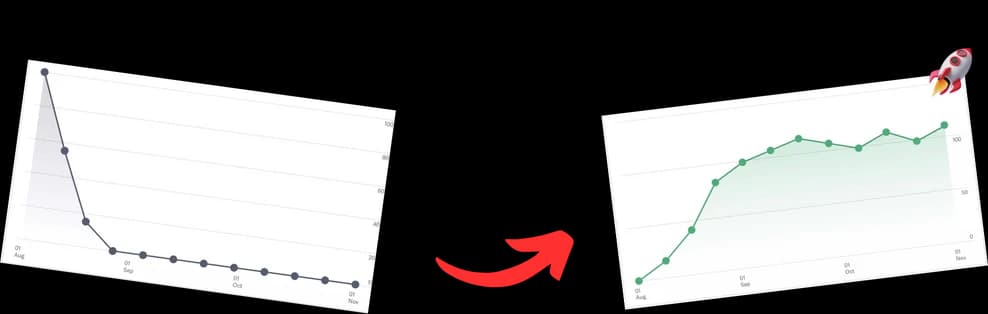
You’ve already done the hard part. You recorded videos, wrote titles, published consistently, and built a back catalog. Then the frustrating part shows up. A viewer watches one strong video, leaves your channel, and never reaches the next piece that would have kept them engaged.
That’s where playlists stop being admin work and start becoming channel strategy.
If you’re searching for how to make new playlist on youtube, the clicks themselves are easy. The value comes from what happens after the playlist exists. A good playlist gives your videos context, creates a viewing path, and helps people move from one video to the next without having to decide what to watch manually. For long-form channels, podcasts, tutorials, education, and commentary, that matters a lot.
Why YouTube Playlists Are Your Secret Growth Tool
A viewer finishes one of your best videos. If YouTube serves a weak next recommendation, that session ends there. If the video sits inside a well-built playlist, you have a better shot at carrying that viewer into a second and third watch.
That is why playlists matter.
A common mistake is to treat playlists like storage folders. Good channels use them as viewing paths. The difference shows up in watch time, session depth, and how much of your back catalog keeps working after publish day. For channels built on tutorials, commentary, podcasts, education, or any repeatable format, playlists help turn isolated views into longer sessions.
Why single-video publishing leaves watch time on the table
Publishing one strong video at a time can still waste momentum. A viewer may like the topic but never find the best follow-up. Episode-based content can break out of order. Older videos with real value stay buried because nothing connects them to the current video the viewer just watched.
Playlists solve a distribution problem, not just an organization problem.
They group videos around intent. That gives the viewer a clearer next step and gives YouTube more context about how your videos relate to each other. In practice, that usually means better continuation after the first click, which is exactly where channels gain or lose watch time.
Practical rule: Build playlists around the problem the viewer wants solved, not your internal content categories.
That matters even more on mixed-format channels. If you publish beginner guides, advanced tutorials, product comparisons, and troubleshooting videos, a playlist helps you control the journey. A new viewer should not have to sort that out alone.
What strong playlists actually do for growth
The best playlists usually handle one clear job:
| Playlist type | Best use |
|---|---|
| Series playlist | Sequential content such as lessons, podcast episodes, or multi-part explainers |
| Topic playlist | Videos answering one audience problem from different angles |
| Starter playlist | Best entry point for new viewers |
| Conversion playlist | Content that helps warm viewers before a product, newsletter, or consultation |
I treat playlist planning as part of audience retention strategy. A strong title and thumbnail win the first view. The playlist earns the next view by removing decision friction and keeping the topic consistent. That is one reason playlists pair well with video chapters. Chapters improve the experience inside the video, and playlists improve what happens after it.
If you are trying to improve YouTube watch time strategy, playlists are one of the clearest tools to use because they influence behavior after the click. They help viewers keep watching without forcing them to hunt for the next relevant video.
Creating Your First YouTube Playlist Step-by-Step
There are a few ways to create a playlist, and the right one depends on what you’re doing in that moment. If you’re planning content, YouTube Studio is cleaner. If you’re already watching or reviewing a video, the save menu is faster.

YouTube supports multiple creation paths. On desktop, you can use YouTube Studio or a video watch page’s Save option. On mobile, playlists are primarily created from the Library area inside the You tab. Each route ends with the same three privacy choices: Public, Unlisted, or Private, as outlined in this guide to YouTube playlist creation paths.
Create a playlist in YouTube Studio on desktop
Use this method when you want control from the start.
- Sign in to YouTube.
- Open YouTube Studio.
- Find Playlists in the left menu.
- Click New Playlist.
- Add your title.
- Add a description.
- Choose visibility.
- Add videos now, or save the playlist and add them after.
The title matters more than most creators think. Don’t name it something vague like “Uploads 2026” unless it’s purely internal. Name it for the search intent and the viewer promise. A title like “YouTube Podcast Setup” or “Beginner DSLR Tutorials” does a much better job.
Create one from a video watch page
This is the faster route when you’re actively sorting content.
- Open the video you want to include.
- Click Save.
- Choose Create new playlist.
- Enter the playlist name.
- Set privacy.
- Save.
This workflow is useful when you notice patterns while auditing your own channel. If you’re watching three older tutorials and realize they form a beginner sequence, create the playlist on the spot instead of telling yourself you’ll organize it later.
Here’s a walkthrough if you want to see the interface in action:
Create a playlist on mobile
Mobile is less ideal for heavy channel cleanup, but it’s fine for quick playlist creation.
Go to the You tab, then into Library, then Playlists, then tap New playlist. Pick the video or videos you want, give the playlist a name, and set privacy.
Choose the right privacy setting
This choice affects whether the playlist can help your channel publicly.
- Public: Use this when the playlist is meant to rank, be shared, and appear on your channel page.
- Unlisted: Use this for review links, client approvals, team curation, or niche sharing.
- Private: Use this for testing sequence ideas or internal organization.
Public is the default growth setting. Private is the default working setting.
A lot of creators accidentally build useful playlists and leave them private. If the playlist is meant to help discovery or binge watching, make sure it’s public when you’re done.
How to Add, Remove, and Organize Videos
Creating the playlist is the easy part. Curating it well is where results usually improve.
A playlist should feel intentional. The first video should answer the main question. The next one should deepen interest, remove friction, or continue the story. When the order is random, viewers feel it immediately.
Add newer and older videos deliberately
Most creators know how to add fresh uploads. Fewer know how to pull in older videos cleanly.
A common issue is that older videos don’t always auto-populate in YouTube Studio’s initial lists. The practical workaround is to manually find the video and use Save to playlist from the watch page or thumbnail menu, which is especially useful for archived podcast and education content, as described in this creator guide on adding older videos to playlists.
That matters because your back catalog often contains some of your most useful content. It may be older, but if it still answers a high-intent question, it belongs in a current playlist.
Organize for flow, not chronology
Upload date isn’t always the best order.
Use sequencing based on what the viewer needs next:
- Start with the strongest entry point: Lead with the most useful or easiest-to-follow video.
- Group by skill level: Beginner content should not sit between advanced niche videos.
- Place high-context videos later: Deep dives work better after foundational explanations.
- End with expansion content: Use case studies, advanced tactics, or adjacent topics at the end.
If you manage educational or podcast content, think like a programmer, not an archivist. Your job isn’t to store videos. Your job is to guide attention.

Remove weak fits and clean up the package
You don’t need every related video inside a playlist. You need the right ones.
Here’s the cleanup process I recommend:
- Open the playlist and review the first three videos. They set the tone.
- Remove duplicates or edge-case uploads. If a video partially fits but changes the audience intent, cut it.
- Check the thumbnail mix. A playlist with visually clashing thumbnails can look scattered.
- Rewrite the description. Tell viewers what they’ll get and who it’s for.
If a video is good on its own but weak inside the sequence, remove it. Playlist quality is about fit, not sentiment.
For larger channels, regular curation matters more than constant creation. If you want a cleaner structure for a growing library, this guide on how to organize YouTube videos effectively is a good companion to playlist work.
Optimizing Playlists for Search and Viewer Retention
A playlist can do more than sit on your channel homepage. It can act like a search asset, a binge path, and a positioning tool for a topic you want to own.
That changes how you should write and structure it.
Treat the playlist like a content page
Use a title that matches what people search for. Then write a description that explains the topic clearly and gives context for the sequence.
Good playlist titles usually have two traits:
- They describe the topic directly
- They promise a coherent outcome
Compare these two examples:
| Weak title | Stronger title |
|---|---|
| Marketing Videos | YouTube Marketing for Small Businesses |
| Podcast Stuff | Start a Video Podcast on YouTube |
| Editing Tips | Beginner Video Editing Tutorials for YouTube Creators |
Descriptions matter too. Don’t leave them blank. Add the main topic, what the playlist includes, and who it helps. If writing them from scratch slows you down, a YouTube AI description generator can speed up the first draft so you can refine it for clarity.

Use chapters and comments to sharpen the sequence
Playlist optimization isn’t only metadata. It’s also about viewer experience.
If your videos are long, chapters make it easier for viewers to stay oriented and jump to the part they need. That reduces friction inside the playlist because each video feels easier to move through. In practice, playlists work best when each video is easy to enter, easy to continue, and clearly related to the next one.
Another underused move is reading comment patterns before you build or reorder a playlist. If viewers keep asking the same follow-up question, that’s often your clue for what the next video in the sequence should be. Tools that help analyze YouTube video comments with AI can make that pattern easier to spot across multiple uploads.
A strong playlist doesn’t just group similar videos. It answers the next question before the viewer has to search for it.
What tends to work and what usually fails
What works
- A keyword-focused title without stuffing
- A description that explains the sequence
- Logical ordering based on intent
- Mixed formats only when they support the same viewer goal
- Public visibility for playlists you want discovered
What usually fails
- Naming playlists for internal convenience
- Leaving descriptions empty
- Mixing beginner and advanced videos without context
- Treating every upload as playlist-worthy
- Forgetting to feature the playlist on the channel homepage
Collaborative playlist use can also work when creators share audience overlap, but it only helps when the topic alignment is tight. Random collaborations rarely improve retention because the viewer journey breaks.
Fixing Common YouTube Playlist Issues
Playlist mistakes rarely look serious at first. Then a strong video starts underperforming because the next step for the viewer is broken, hidden, or out of order. If playlists are part of your watch time strategy, small setup errors can cost real session minutes.
Why isn’t my playlist showing up publicly
Start with visibility. A Private playlist is visible only to you. An Unlisted playlist works for direct sharing, but it will not help much with channel discovery. If the goal is search visibility, homepage placement, and suggested viewing paths, set it to Public.
Also check whether you added the playlist to your channel homepage. A public playlist can still be hard to find if it is buried.
Why won’t a video add to the playlist
This usually happens because the quick-add flow misses the video you want, especially if you are switching between Studio and the watch page. The reliable fix is to open the video itself and use Save to playlist there.
If that still fails, check whether the video is fully processed and visible on the channel. I run into this most often right after upload.
Why does the order look wrong
Default sorting is rarely the best retention choice. YouTube can sort by newest, oldest, or popular signals, but a high-performing playlist usually needs a deliberate sequence based on viewer intent.
Set the order manually and review it like a funnel. The first video should answer the entry-level question. The second should build on it. The third should solve the follow-up question that naturally comes next. That structure keeps viewers inside the session longer than a simple date-based order.
Why did YouTube stop me from creating more playlists
YouTube places creation limits on playlists to reduce spam and abuse. If you hit that wall, the practical answer is simple. Slow down, clean up unused drafts, and build fewer playlists with clearer intent instead of publishing a large batch at once.
For channel growth, that is usually the better move anyway. Ten weak playlists split watch time. A smaller set of well-structured playlists gives viewers a clearer path and is easier to maintain.
What’s the practical fix for most playlist issues
Build in Private first. Then check four things before switching to Public: title, description, video order, and whether each video belongs in the sequence.
That extra review step matters because playlists are not just storage. They shape how viewers continue watching. A clean playlist can increase session depth. A sloppy one sends people back to search.
Frequently Asked Questions About YouTube Playlists
Should every video go into a playlist
No. Put each video where it supports a clear viewing path. If a video weakens the sequence, leave it out.
Can I mix Shorts and long-form videos in one playlist
You can add videos through the same save system across watch experiences, including Shorts, but whether that mix works depends on the audience journey. For most channels, mixed-format playlists only make sense when both formats serve the same topic and intent.
Should I use private playlists for channel planning
Yes. Private playlists are useful for testing order, grouping future content ideas, reviewing archived videos, or preparing a series before making it public.
Is YouTube Studio the best place to create playlists
It’s the best option when you want control over setup and curation. The watch-page Save option is faster when you’re sorting videos in real time.
What’s the biggest playlist mistake
Treating playlists like storage bins instead of strategic sequences. A playlist should guide the next click, not just hold related uploads.
If you publish long-form videos, chapters and playlists work better together than either one does alone. TimeSkip helps you generate SEO-focused YouTube chapters quickly, which makes each video in your playlist easier to follow and easier for viewers to stick with. If you’re already investing time in playlist strategy, it’s worth tightening the in-video experience too.